

Myth and Marvel: Medieval Muslim Writings on Ancient Egypt
Medieval Muslim scholars could not read ancient Egyptian writing. They therefore understood the past through the lenses of literary genres, myths, and the Quran.

Max von Oppenheim and His Tell Halaf
Born into a prominent banking family, Max von Oppenheim seemed destined to study law. But his real contribution was to uncover an Iron Age city in north Syria.

From “An” to “The”: The OI at 100
The history of ancient Near Eastern Studies in the United States is closely tied to the Oriental Institute at the University of Chicago. A new book tells the story of this unique i
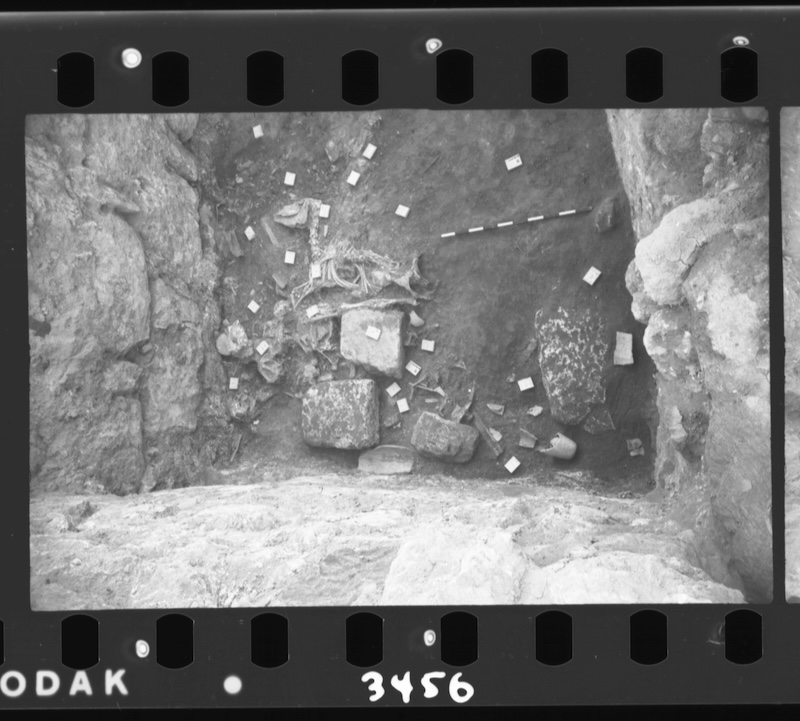
“Terminate and Liquidate”: How the Megiddo Ivories were Almost Not Discovered
Money and local politics are always the bane of archaeological projects. For the Megiddo project in the late 1930s, these problems were so dire that they almost brought the end jus
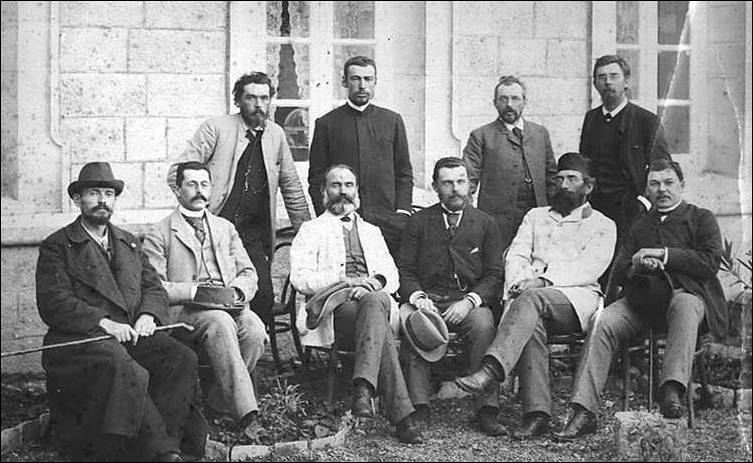
Russian Archaeology of the Holy Land
Russian scholars have been active in the Holy Land for 150 years. Like other Europeans, they came as part of imperial competition, but their contributions endured and are expanding

The Ancient Near East after 1919
Prior to the signing of treaties in 1919 that ended World War I, study of the Ancient Near East, though copious, was neither especially systematic nor particularly scientific, but
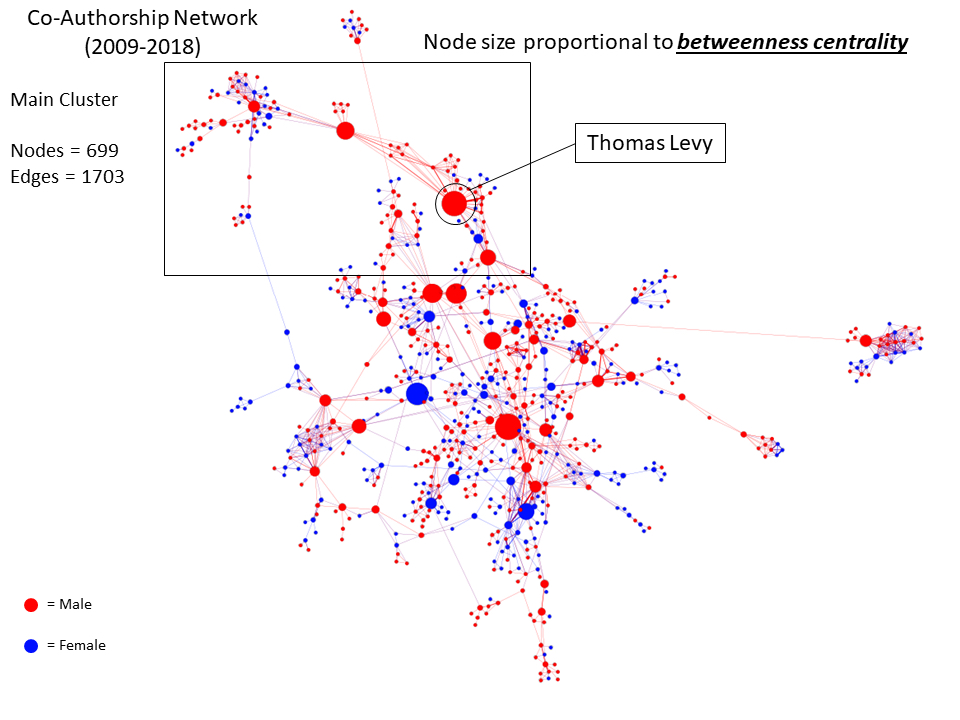
Who Are the “Best-Connected” Members of the ASOR Community?
The annual ASOR meeting is a really big show, with hundreds of participants. But an analysis shows that those many hundreds of participants are linked in unusual ways.
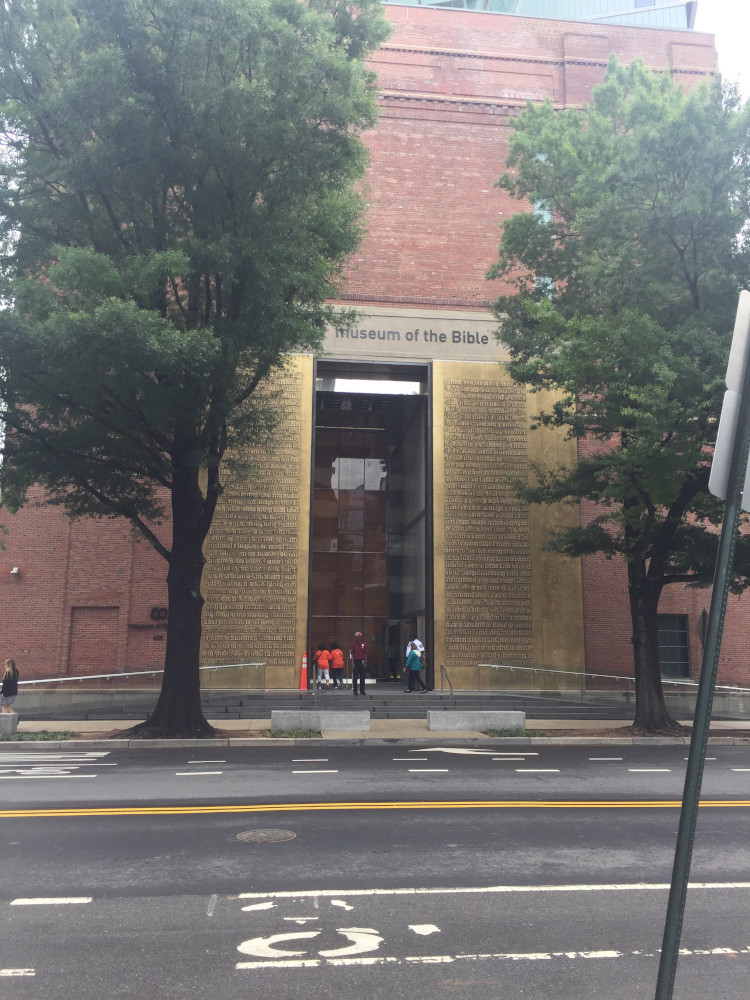
The Post-2002 Fragments and the Scholars Who Turned Them Into Dead Sea Scrolls
The Dead Sea Scrolls were discovered in 1947 and fully published by 2001. But the next year fragments began appearing on the antiquities market, ready to satisfy eager collectors.