

Non-Semitic Loanwords in the Hebrew Bible: A Lexicon of Language Contact
There are 235 non-Semitic loanwords in the Hebrew Bible from languages ranging from Egyptian, Greek, Hittite, Luvian, Hurrian, Old Indic, to Old Iranian. What do these tell us abou

The Alphabet: The First Thousand Years
The alphabet is probably the most important information technology ever invented. Why did it take a millennium to spread unevenly around the ancient Near East?
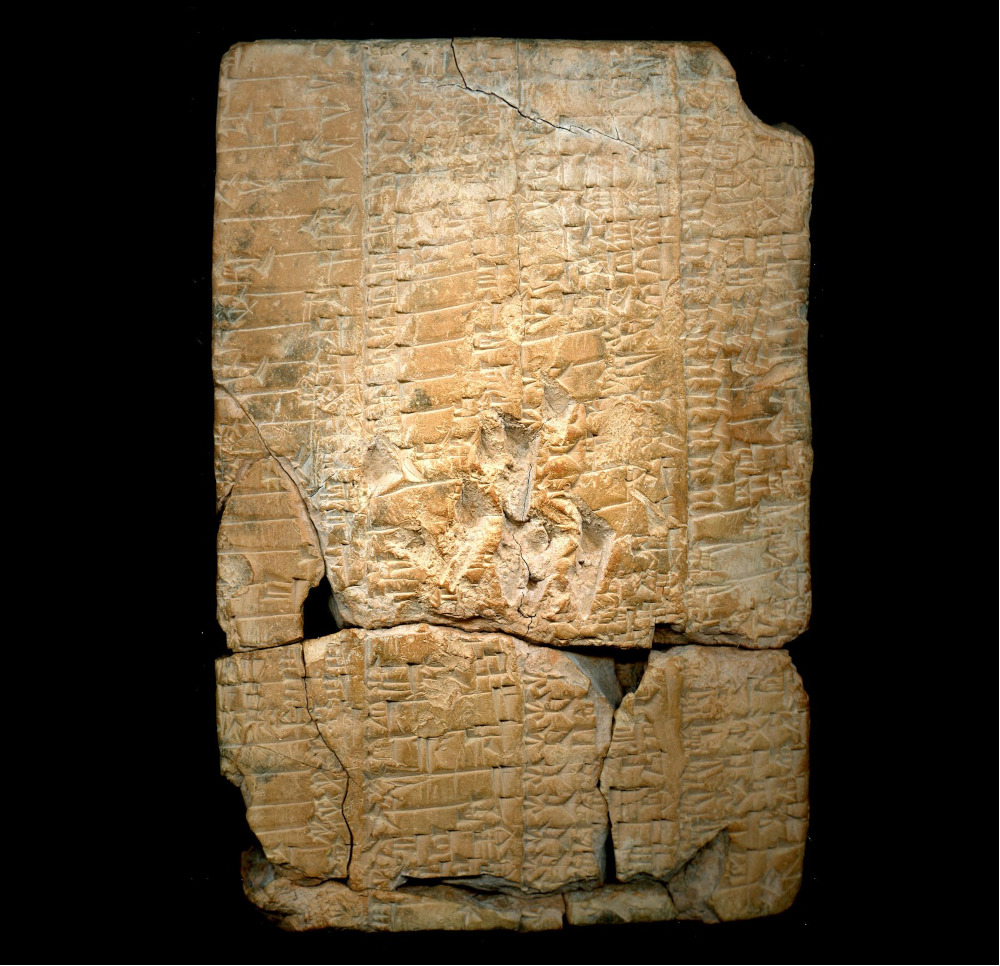
Concepts and Metaphors in Sumerian
The Sumerian language is unrelated to any other language past or present. While it can be read, making sense of things requires understanding how Sumerians used metaphors. Some are

The Greek Alphabet: Older Than You May Think?
March 2019 | Vol. 7.3 By Willemijn Waal The Greek alphabet is often considered to be the first ‘true’ alphabet, from which all modern alphabets are derived. So why does it look
Translating the Bible Against the Ancient Near Eastern Background
Translators try to understand the language of ancient texts and the world view of the writers. Doing so requires going beyond the literal text to try and capture the poetic meaning

Hebrew as the Language behind the World’s First Alphabet?
Which Semitic language – and people – stands behind the enigmatic Proto-Sinaitic inscriptions? A controversial proposal brings us back to familiar, if equally controversial, gr
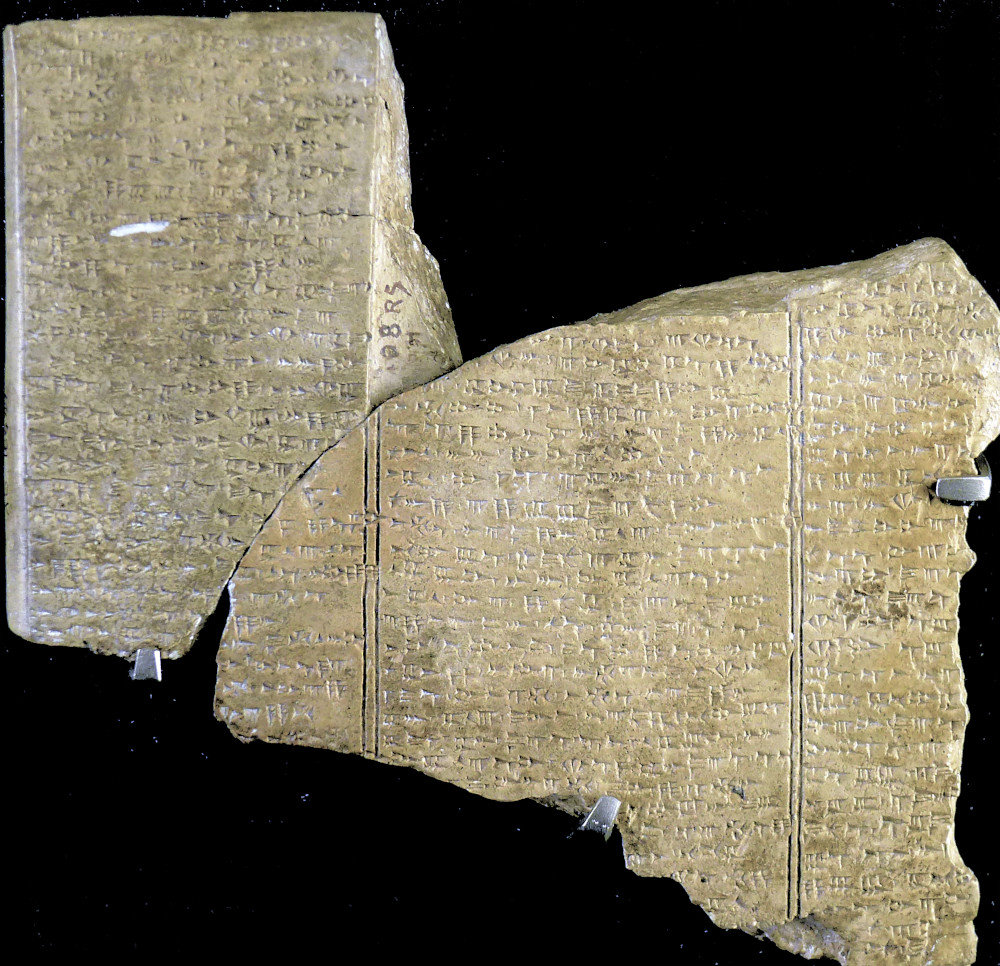
The Current State of Ugaritic Studies
The coastal Syrian city of Ugarit was only discovered in 1929. Since then it has been the most important source for tablets that reveal the history and culture of the late second m