

Who’s Afraid of the Goddess of Ancient Israel?
june 2022 | Vol. 10.6 By Dvora Lederman Daniely Archaeological and literary-biblical studies have long shown that the worship of a Mother-Goddess was an early integral part of the
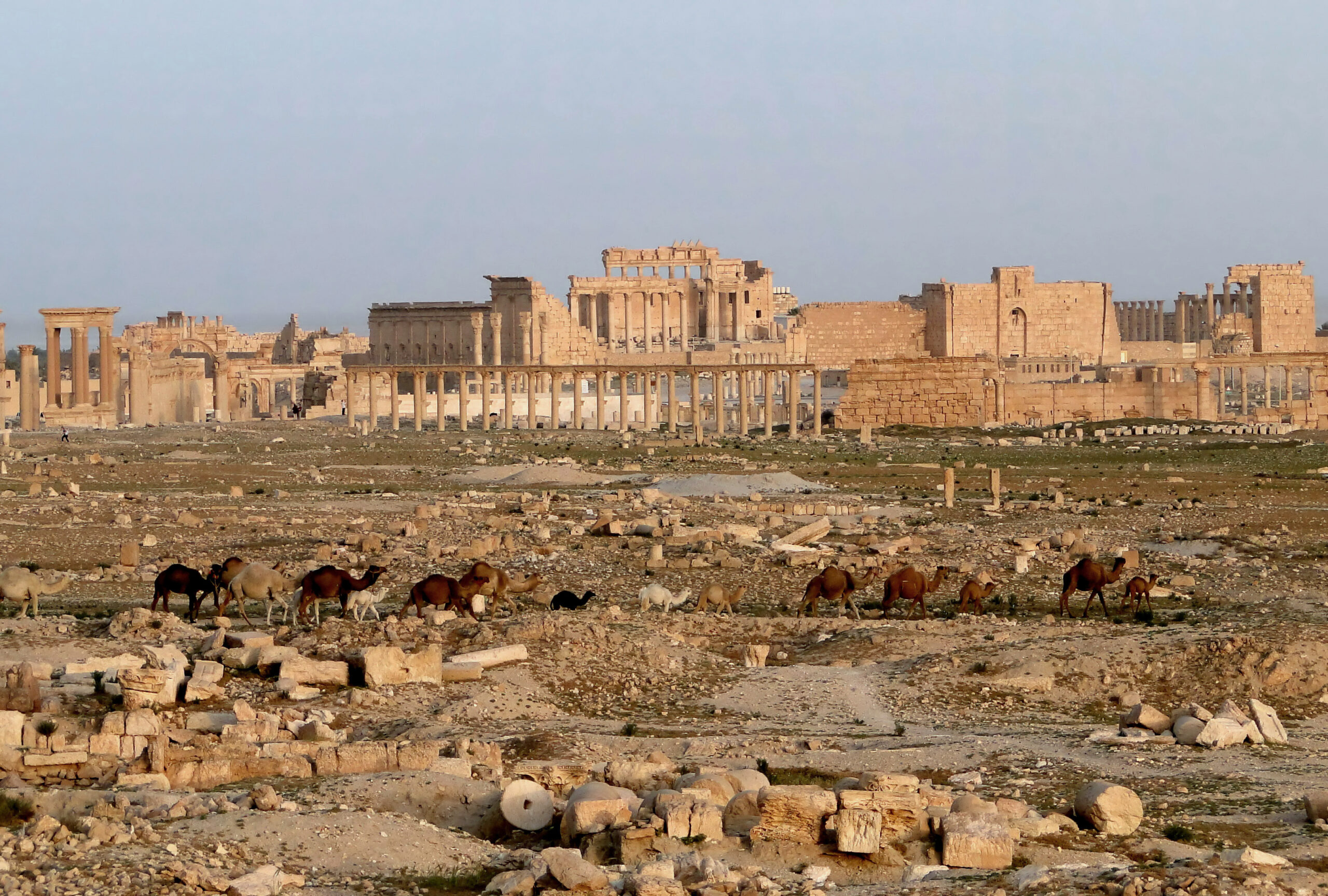
Portraits of People and Society From Palmyra
june 2022 | Vol. 10.6 By Maura Heyn The funerary portraiture from the city of Palmyra, in the eastern Roman Empire, is a rich and heterogenous display of identity dating to the fir

A Half a Century of Studying Biblical Coins
Why revise a book on coins for fifty years and six editions? For one thing there are more data than ever. For another, old questions with big implications keep sticking around, lik

Temples and Cult Places in Iron Age Transjordan
Many temples and cult places are known from Iron Age Israel but what about in Transjordan? What does a look at these sites reveal about cult and religion in Moab, Ammon, and Edom?

Sheshonq (Shishak) in Palestine: Old Paradigms and New Vistas
April 2021 | Vol. 9.4 By Felix Höflmayer and Roman Gundacker Pharaoh Sheshonq I (c. 943-923 BCE) is traditionally viewed as the founder of the 22nd Dynasty, which, due to the king

A Cosmic Impact and the Beginning of Farming at Abu Hureyra in Syria
March 2021 | Vol. 9.3 By Andrew M.T. Moore Towards the end of the last Ice Age a group of hunter-gatherers settled at Abu Hureyra in the Euphrates Valley in what is now Syria. The
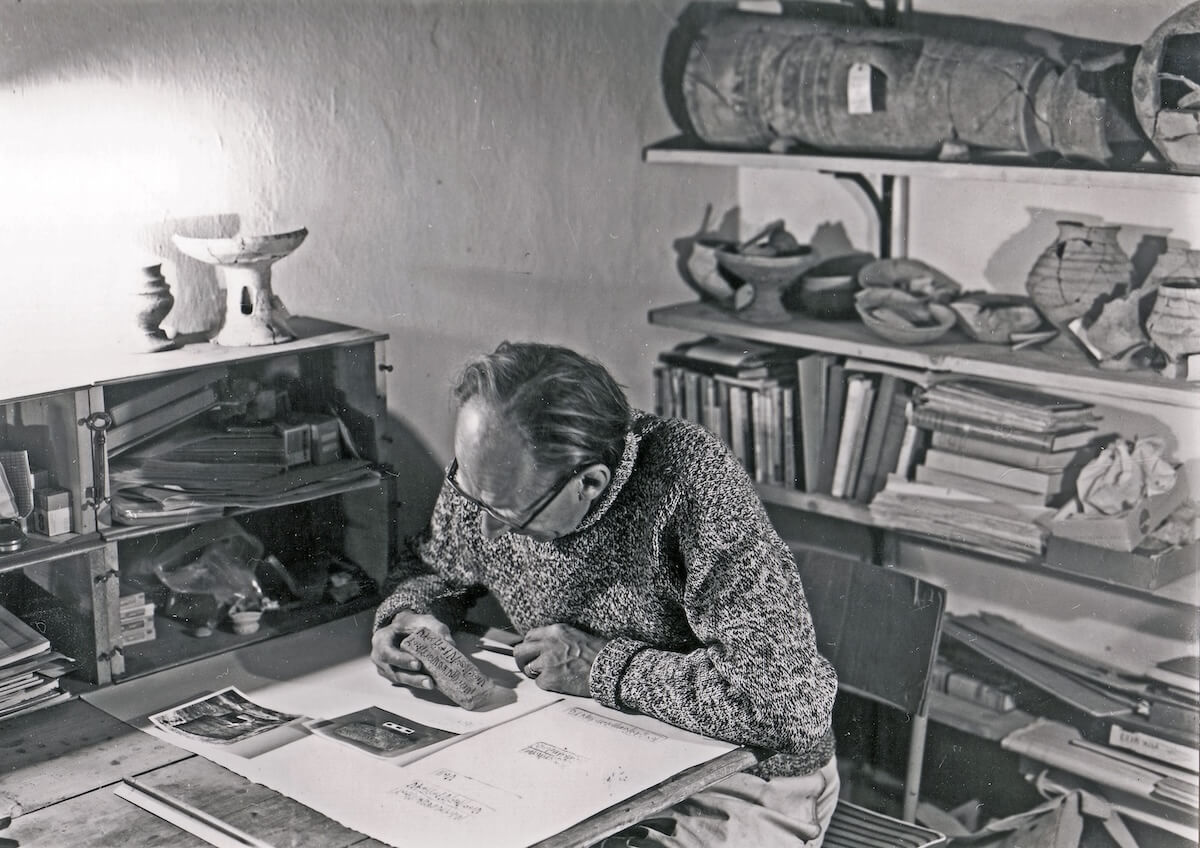
The Enigmatic Tablets from Late Bronze Age Deir ‘Alla
January 2021 | Vol. 9.1 By Michel de Vreeze On April 1, 1964 Henk Franken and his Leiden University based team stumbled upon two clay tablets. Two days later a third tablet was fou

A Desert Revolution – Transformations in Northwestern Arabia and the Arid Southern Levant in the Late 2nd Millennium BCE
Archaeology speaks frequently about revolutions, but arid zones are left out of the discussion. But new evidence shows that deserts experienced their own momentous, if slower movin

Max von Oppenheim and His Tell Halaf
Born into a prominent banking family, Max von Oppenheim seemed destined to study law. But his real contribution was to uncover an Iron Age city in north Syria.

What is a ‘House of a God’?
Ancient Near Eastern temples are frequently described as a ‘house of a God’? But what can we learn when temples do not resemble houses?