

Heartbreak and the History of Distress in Ancient Mesopotamia
July 2023 | Vol. 11.7 By Moudhy Al-Rashid The concept of “heartbreak” appears multiple times in cuneiform texts as a metaphor to describe both mental and physical conditions. H

Digitizing Manuscripts from Southwest Asia: Access, Ethics, and Sustainability
July 2023 | Vol. 11.7 By Raha Rafii The expansion of digital humanities in the last decade has led to a widespread increase in manuscript digitization projects by libraries, univer

The Book of Esther as a Source for Achaemenian History
June 2023 | Vol. 11.6 By Morteza Arabzadeh Sarbanani The Book of Esther (Fig. 1) is set in the Persian capital of Susa during the reign of Xerxes (Ahasuerus in Hebrew) and tells th

Cuneiform Mathematics: Outstanding Techniques in a System of Texts
February 2023 | Vol. 11.2 By Carlos Gonçalves Mathematical cuneiform documents from various sites and periods provide a wealth of information about the conceptualization and pract

The Earliest Mention of the Placename Sinai: The Journeys of Khety
February 2023 | Vol. 11.2 By Julien Cooper Well before Moses ascended “Mount Sinai” and received the revelation from God, Egyptian officials penetrated the rugged vales of the
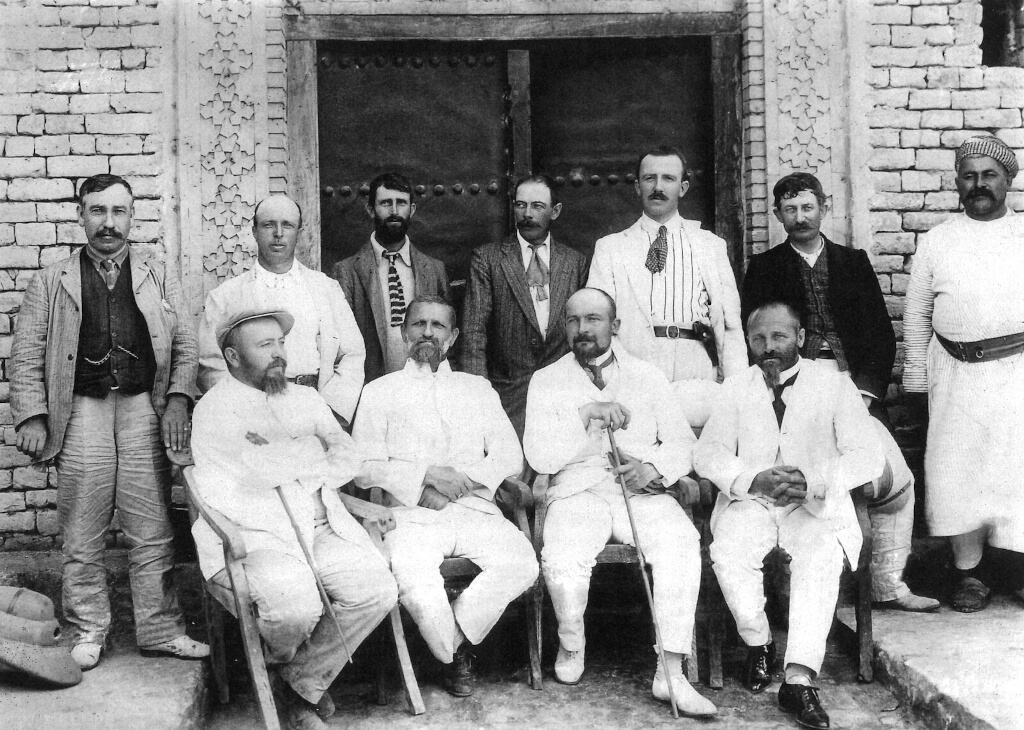
Modern Wars and Ancient Governance: Archaeology and Textual Finds from First Millennium BCE Babylon
November 2022 | Vol. 10.11 By Odette Boivin When the German architect-turned-archaeologist Robert Koldewey and his colleagues unearthed cuneiform tablets from the ruins of Babylon
Prismatic Gilgamesh
October 2022 | Vol. 10.10 By Sophus Helle It is 150 years ago since George Smith, a self-taught Assyriologist working at the British Museum, first translated a line from the Epic
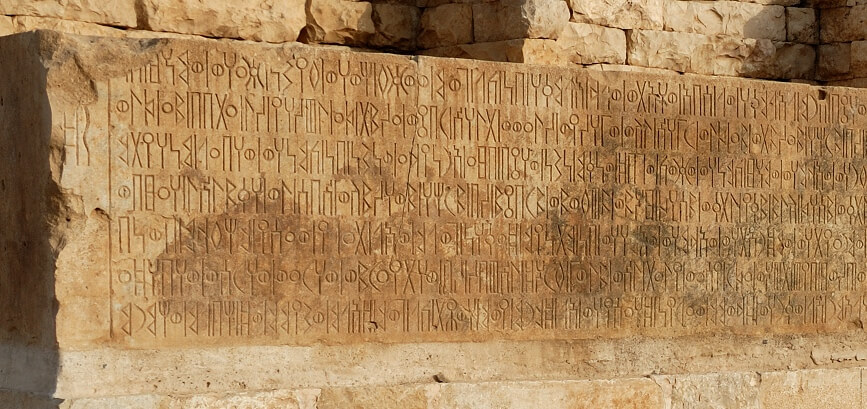
Carved, Signed, Crossed Out – Documents on Wooden Sticks from Ancient South Arabia
October 2022 | Vol. 10.10 By Peter Stein Legal contracts carved on palm-leaf stalks, correspondence laid down on cigar-shaped sticks? The mode of writing used in Ancient South Arab

Camels in the Biblical World of the Ancient Near East
One hump or two, the camel was known in Mesopotamia from the third millennium BCE onward as the “elephant of the caravan” or “elephant of the mountain.” “Camel” came la

Breaking the Code: Ancient Iran’s Linear Elamite Script Deciphered
september 2022 | Vol. 10.9 By François Desset, Kambiz Tabibzadeh, Matthieu Kervran, Gian Pietro Basello, and Gianni Marchesi Research in the humanities achieves definitive results