

The Cuneiform Wide Web: From Card Catalogues to Digital Assyriology
october 2022 | Vol. 10.10 By Shai Gordin and Avital Romach Can computers read cuneiform better than experts? The answer, at the moment, is no. But will computers read cuneiform bet
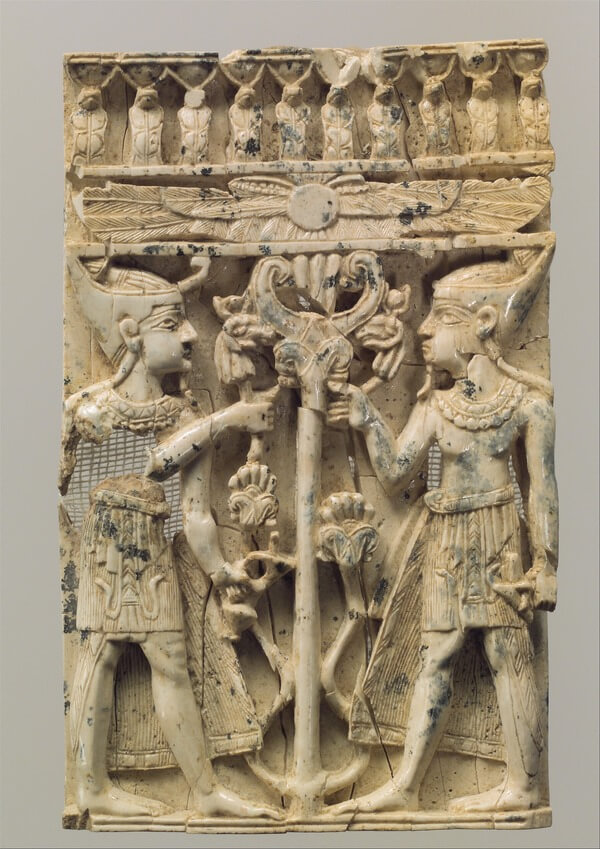
The Neo-Assyrian Empire and Egypt
August 2022 | Vol. 10.8 By Mattias Karlsson The Neo-Assyrian empire, with its center along the river Tigris in northern Mesopotamia, controlled large parts of the ancient Near East
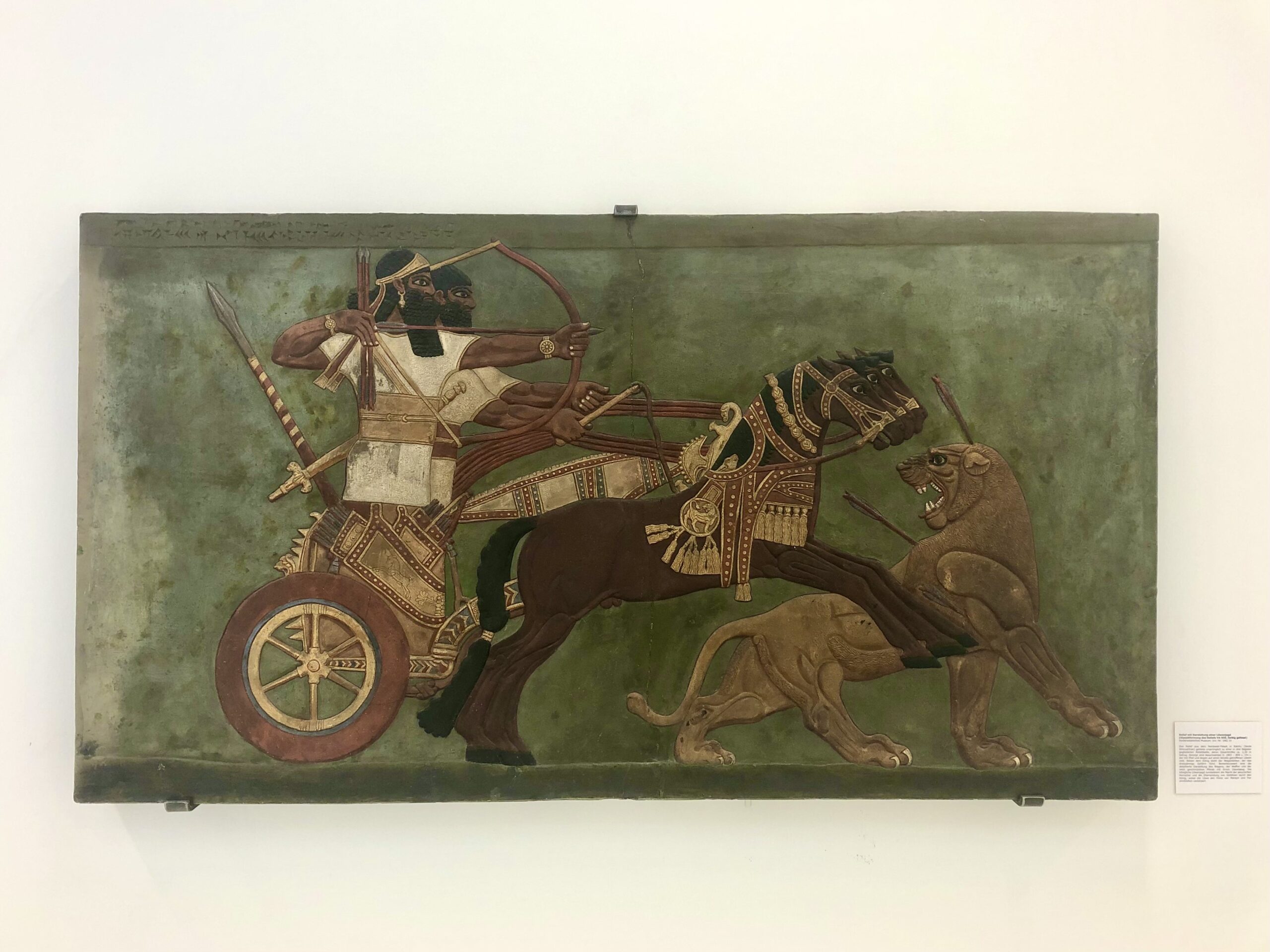
(Hi)stories Set in Plaster: Ancient Western Asian Reproductions and the Berlin State Museums
MAY 2022 | Vol. 10.5 By Pınar Durgun The past and present of plaster copies Just before the reveal of “Göbeklitepe-like” Neolithic sites in Karahantepe and Sayburç/Turkey

Did an Academic Outsider Determine What Saved Jerusalem from Conquest by the Assyrian Emperor Sennacherib in 701 BCE?
Academics don’t have all the answers. A new look at a neglected book by a journalist suggests an intriguing solution to the question of who saved Jerusalem from Sennacherib’s a

Assurbanipal’s iPad: Wax Boards in the Ancient Near East
Writing on wax began in Mesopotamia and spread to the Mediterranean and Europe. In many ways, wax tablets are the predecessors to today’s iPads.

Housewives, Weavers and Businesswomen: Assyrian Women from Assur and Kanesh
In the 19th century BCE men from Assur traveled a thousand kilometers to the northwest to conduct trade. But archives show that their wives kept the households together and were ke

Genderbending Performances in Wartime: From Judges to Judith
February 2021 | Vol. 9.2 By Jacob Wright At the ancient biblical site of Achziv, 15 km north of Acco, archaeologists discovered what became known as the Tomb of the Horsemen. Depo