
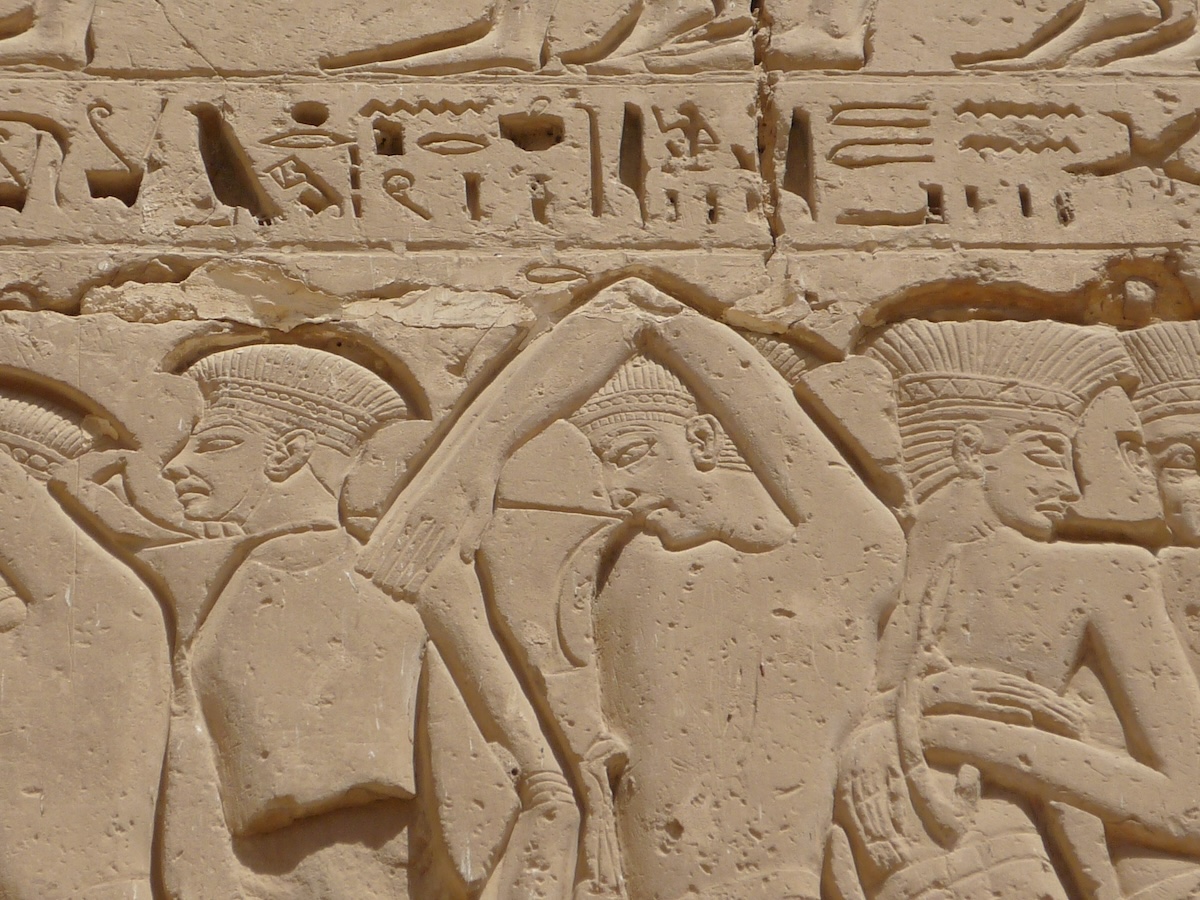
Who Were the Sea Peoples? And Did They Bring About the End of the Bronze Age?
Christopher Nolan’s Odyssey has sparked a resurgence of interest in the Sea Peoples. But who were they and should they be blamed for the fall of the Bronze Age?
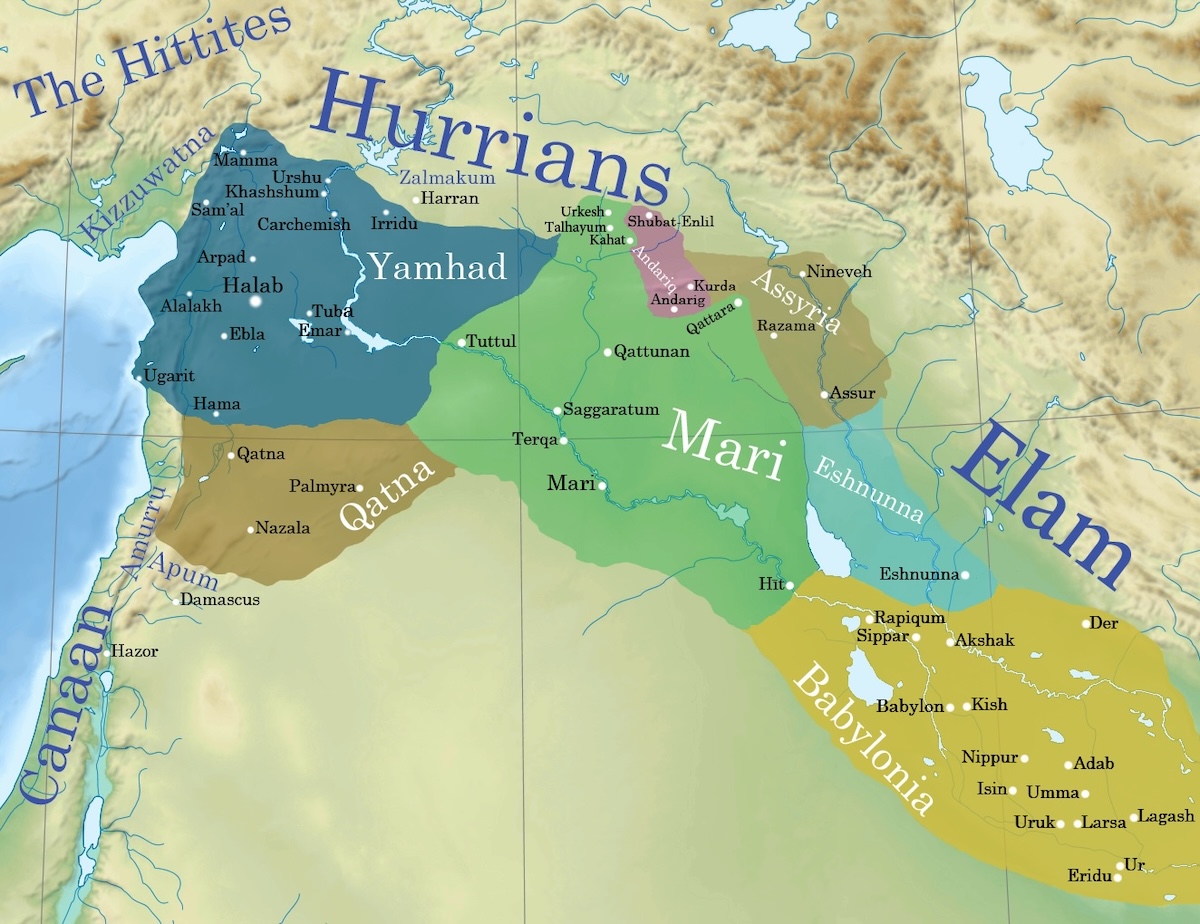
The Amorites: Rethinking Approaches to Corporate Identity in Antiquity
Most of our approaches to identity in antiquity fixate upon a binary, constructed in modern scholarship. But individuals embrace multiple collective identities, whether social, ide

No One Thought to Ask the Fruits: Revealing Philistines’ Traditions
June 2024 | Vol. 12.6 By Suembikya Frumin The Philistines (ca. 1200-604 BCE) left no textual sources for understanding their religion, and its study has traditionally been based on

Resilience and Rebirth: Lessons Learned from the Aftermath of the Late Bronze Age Collapse
April 2024 | Vol. 12.4 By Eric H. Cline Some thirty years ago, the respected sociologist Shmuel Eisenstadt said bluntly that “ancient states and civilizations do not collapse a

Dogs as Part of the Social Fabric of Iron Age Settlements
October 2023 | Vol. 11.10 By Lidar Sapir-Hen and Deirdre N. Fulton The interaction of humans with their best friend, the dog, is extensively studied. In historical periods, evidenc

A Half a Century of Studying Biblical Coins
Why revise a book on coins for fifty years and six editions? For one thing there are more data than ever. For another, old questions with big implications keep sticking around, lik
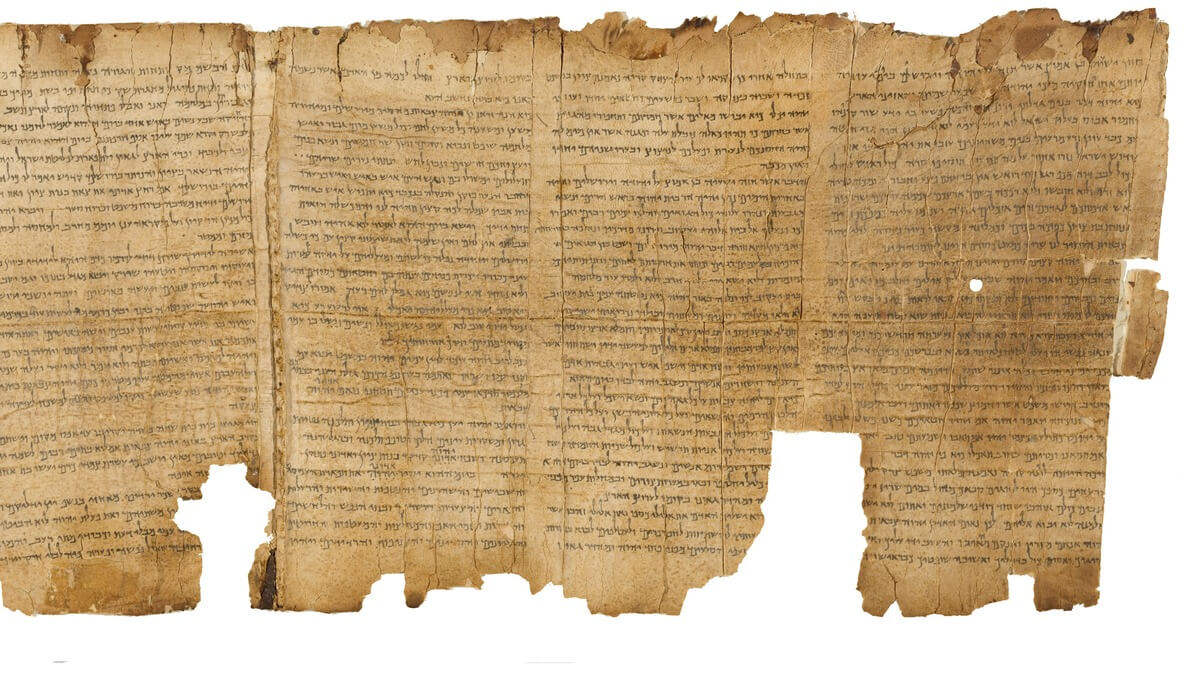
From Texts to Scribes: Evidence for Writing in Ancient Israel
What do we know about ancient Israel’s scribal culture? Can two words in the biblical text, the verb ‘write’ (katav) and the noun ‘scribe’ (sofer) help us understand the
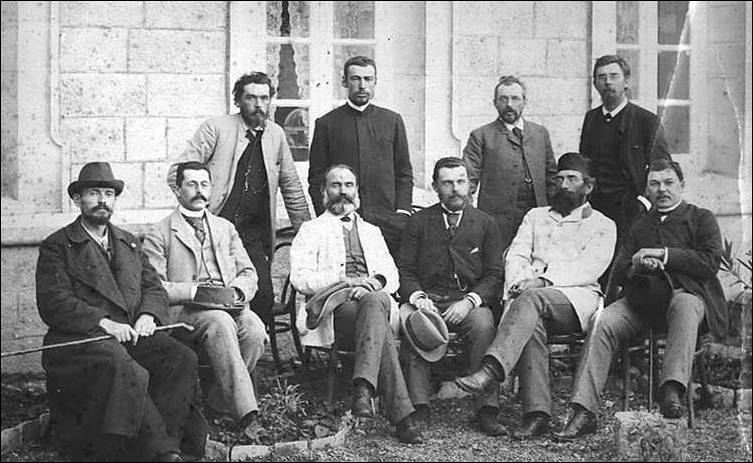
Russian Archaeology of the Holy Land
Russian scholars have been active in the Holy Land for 150 years. Like other Europeans, they came as part of imperial competition, but their contributions endured and are expanding
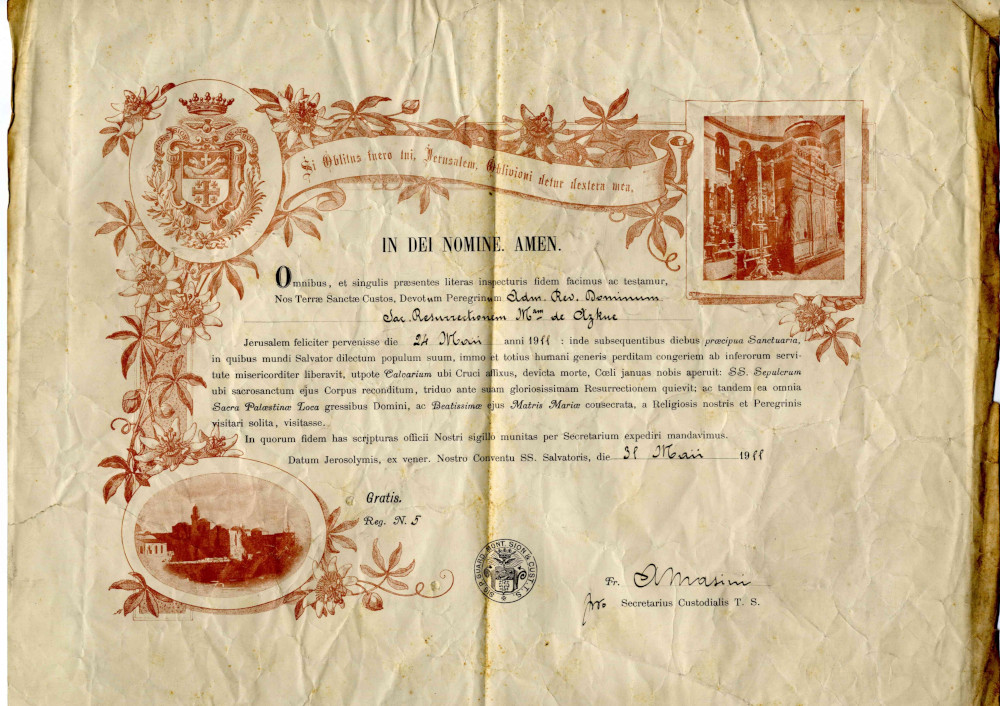
Pilgrimages and Expeditions to the Holy Land, Egypt and Rome: The Spanish Experience
Spanish travel to biblical places has been constant since the first centuries of Christianity. A particularly rich literature tells of 19th and 20th interest in pilgrimages and mis
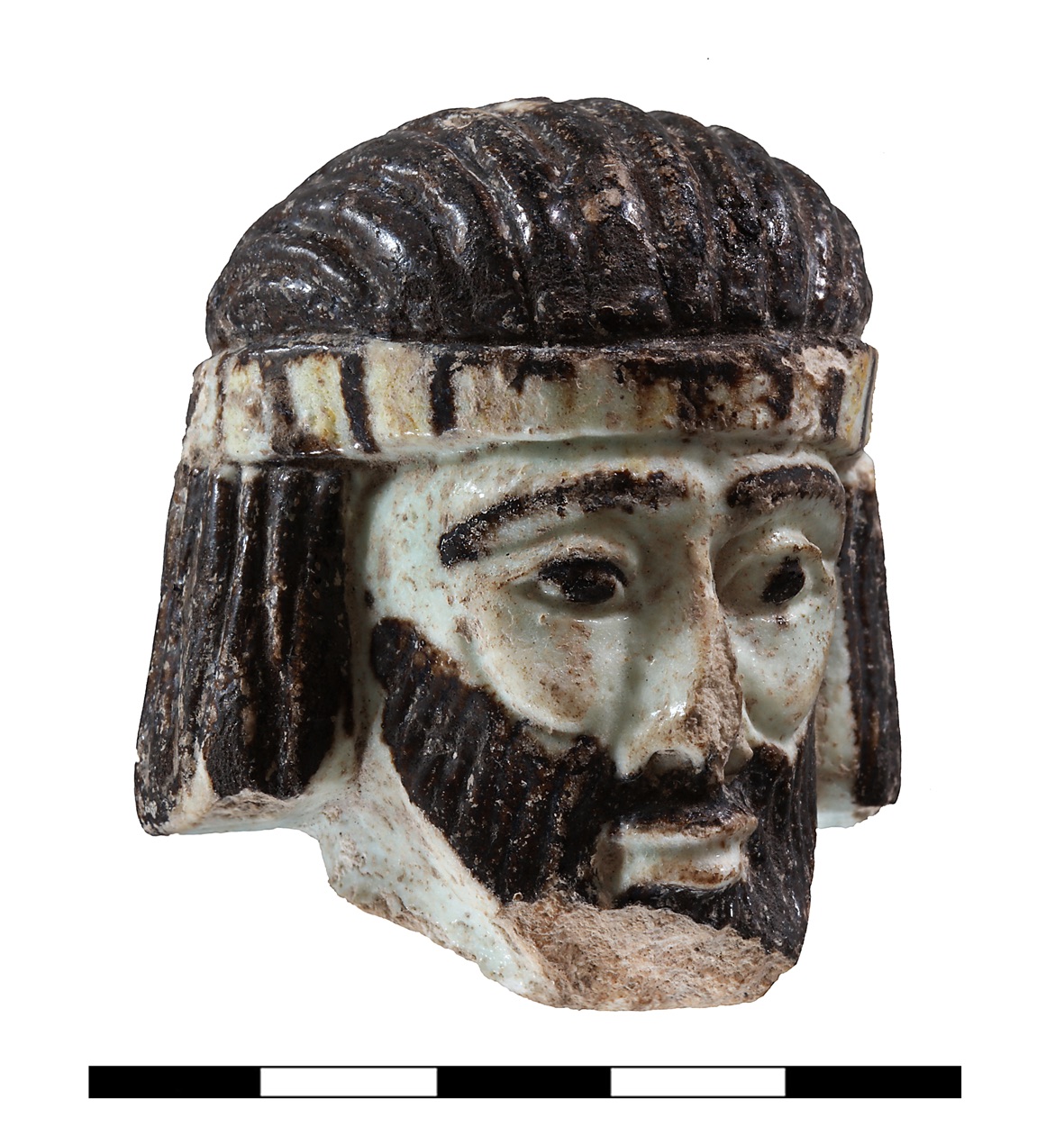
The Bearded Figure Who Might be King
Figurines appear in the Iron Age Levant but very few are made of the material called faience. Fewer still can be plausibly interpreted as representing an actual king.