
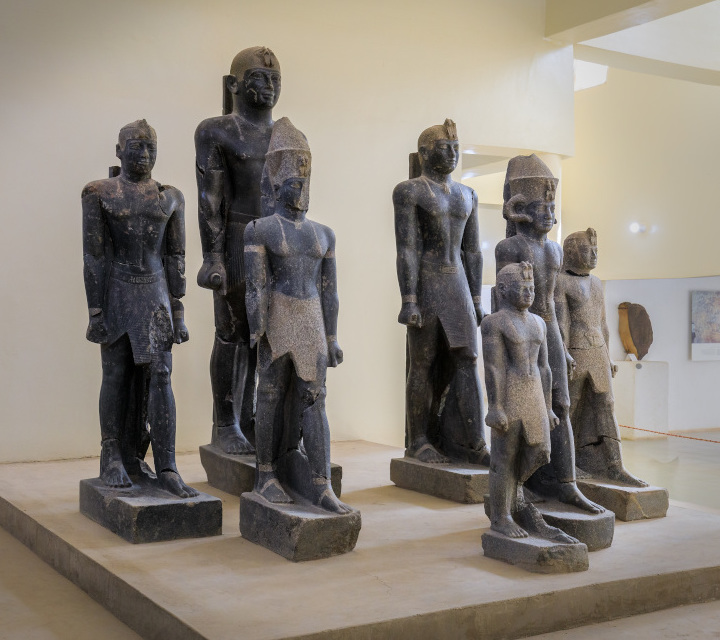
The Cushites: Race and Representation in the Hebrew Bible
The Cushites are mentioned 54 times in the Hebrew Bible. The texts are conscious of skin color but what mattered was the relationship with God.

The Tree of Life
The Tree of Life is a key feature in the Genesis stories. So why are there so few references in later ancient Near Eastern and in Biblical texts and imagery?
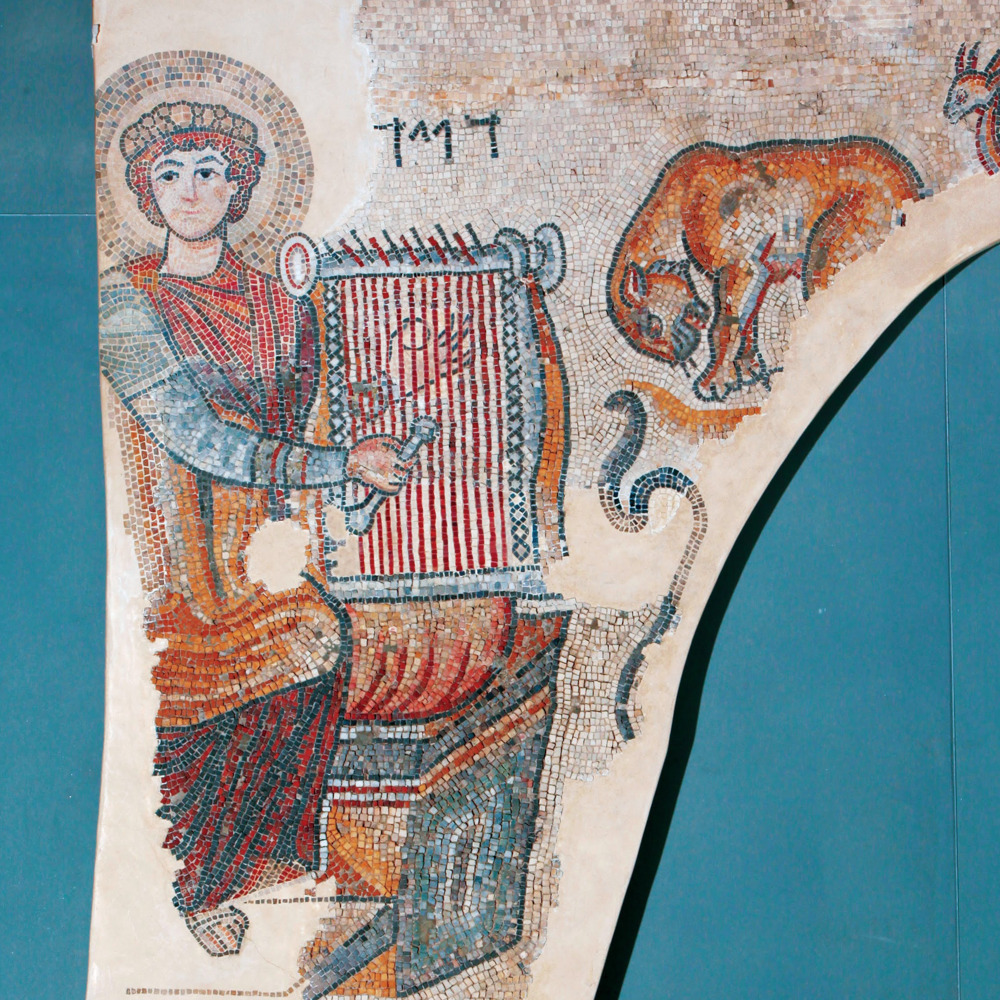
From Sinner to Model Ancestor: King David in Post-Biblical Jewish and Christian Literature and Art
King David was a sinner, but post-Biblical Jews and Christians transformed him into a hero. These changes tell us as much about competition between the two as they do about evolvin
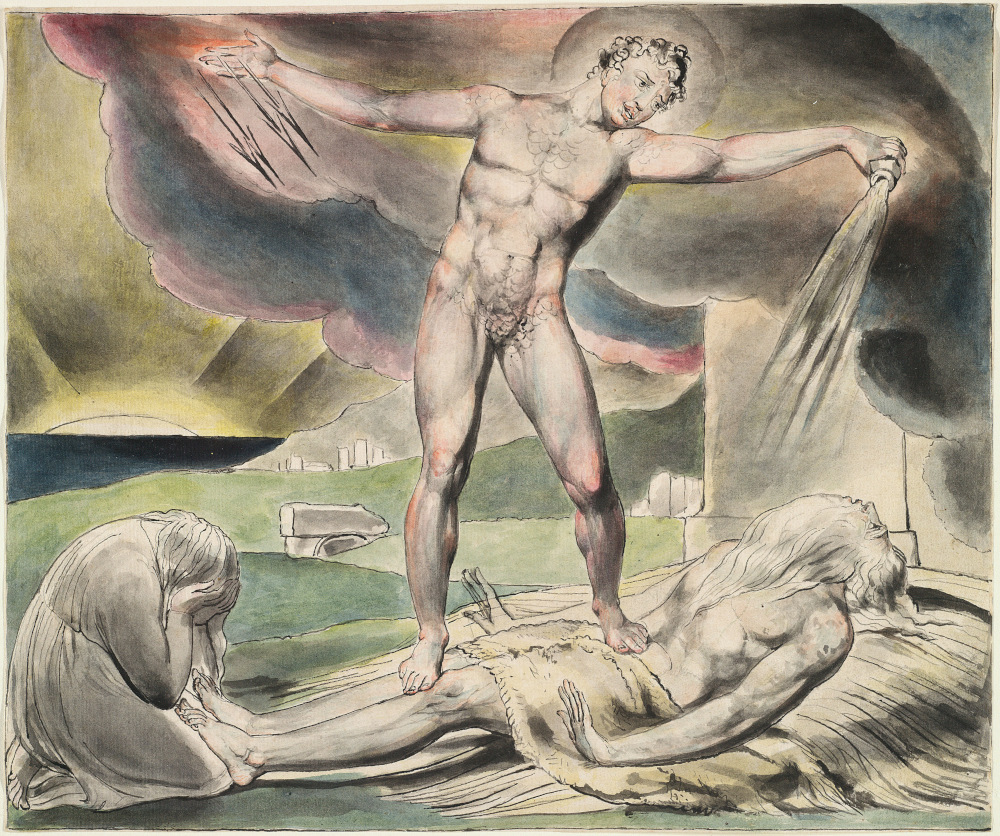
Translating Job as Befits a Great Ancient Work
No biblical text challenges the interpreter more than the Book of Job, with its unusual vocabulary, phrases, and grammar. Translating Job requires an equally unusual range of skill
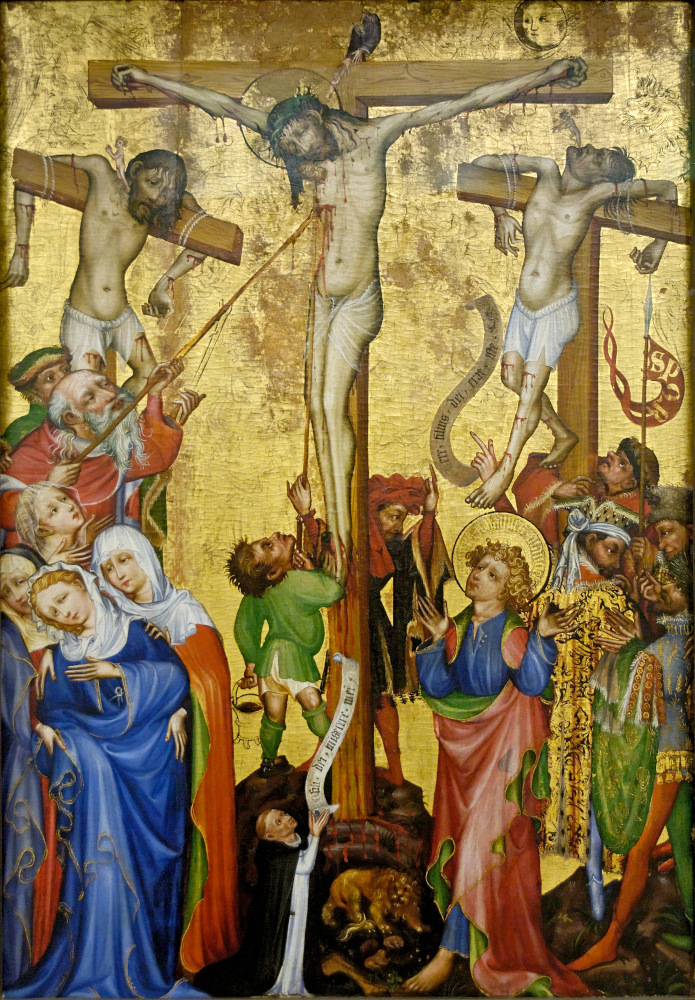
Crosses and Crucifixions, Misunderstood and Misinterpreted – A Guide for/to the Perplexed
The popular image of crucifixion has been created by the symbol of the t-shaped cross, and by one reconstructed bone. That bone bears too much weight, but a long overlooked inscrip

How Old is the Hebrew Bible?
Is the Bible as old as Moses or as young as the Hellenistic period? A new book argues that looking closely at Biblical language and context suggests many ‘ages.’

Writing and Rewriting the Story of Solomon in Ancient Israel
The Bible regards Solomon as the greatest and wisest of kings. But which Solomon are we talking about, that of Samuel-Kings or Chronicles? And which is closer to ‘history’?
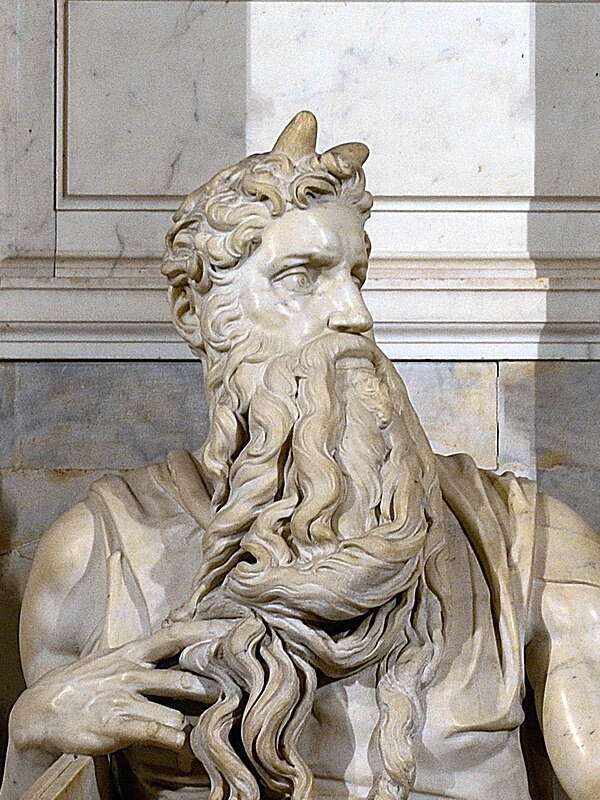
Moses–Yahweh’s Idol?
Prophet. Lawgiver. Deliverer. Judge. None of the terms used to describe Moses fully describe his status. But what if we look outside of the Bible for other ancient Near Eastern ter
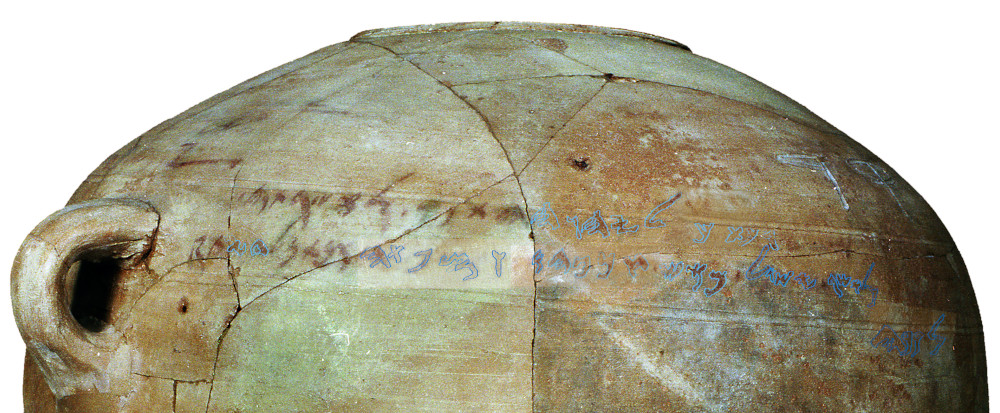
Where Does Yhwh Come From?
The God of the Hebrew Bible is universal, but everyone – and every idea - comes from someone. What does a close reading of sources both within and outside of the Bible suggest ab
Translating the Bible Against the Ancient Near Eastern Background
Translators try to understand the language of ancient texts and the world view of the writers. Doing so requires going beyond the literal text to try and capture the poetic meaning