

Putting the Luwian Culture on the Map
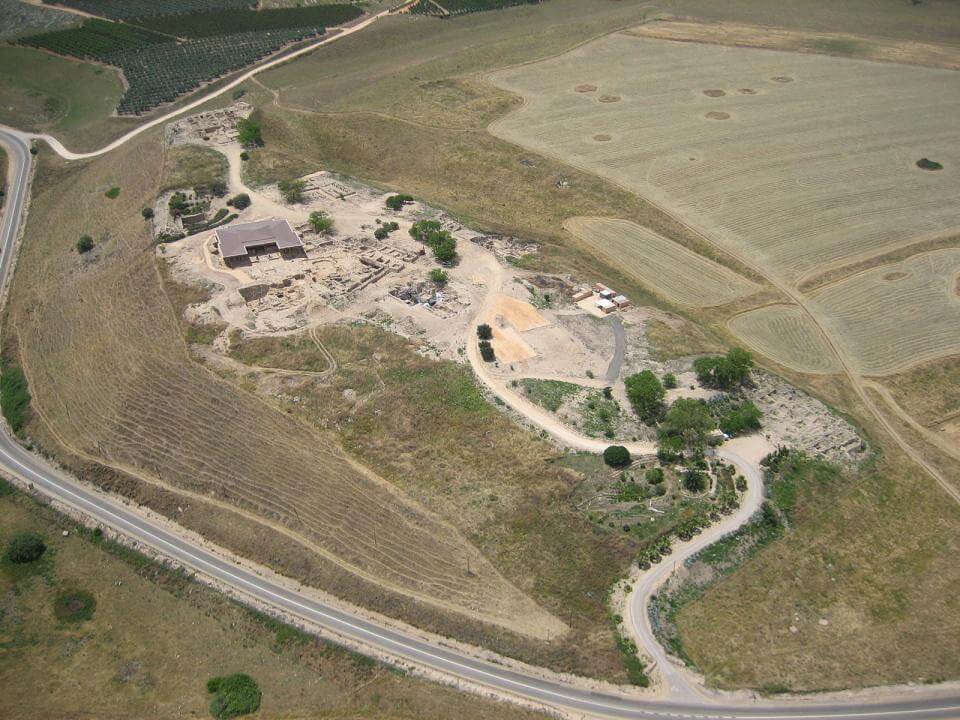
january 2023 | Vol. 11.1 By Eberhard Zangger and Serdal Mutlu Troy stands out in the popular imagination thanks to Homer’s Iliad. However, in archaeological terms Troy may seem
The Fall of the Bronze Age and the Destruction that Wasn’t
December 2022 | Vol. 10.12 By Jesse Millek In any telling of the end of the Late Bronze Age (LBA) in the Eastern Mediterranean, there is one key theme that emerges as an integral c
Modern Wars and Ancient Governance: Archaeology and Textual Finds from First Millennium BCE Babylon
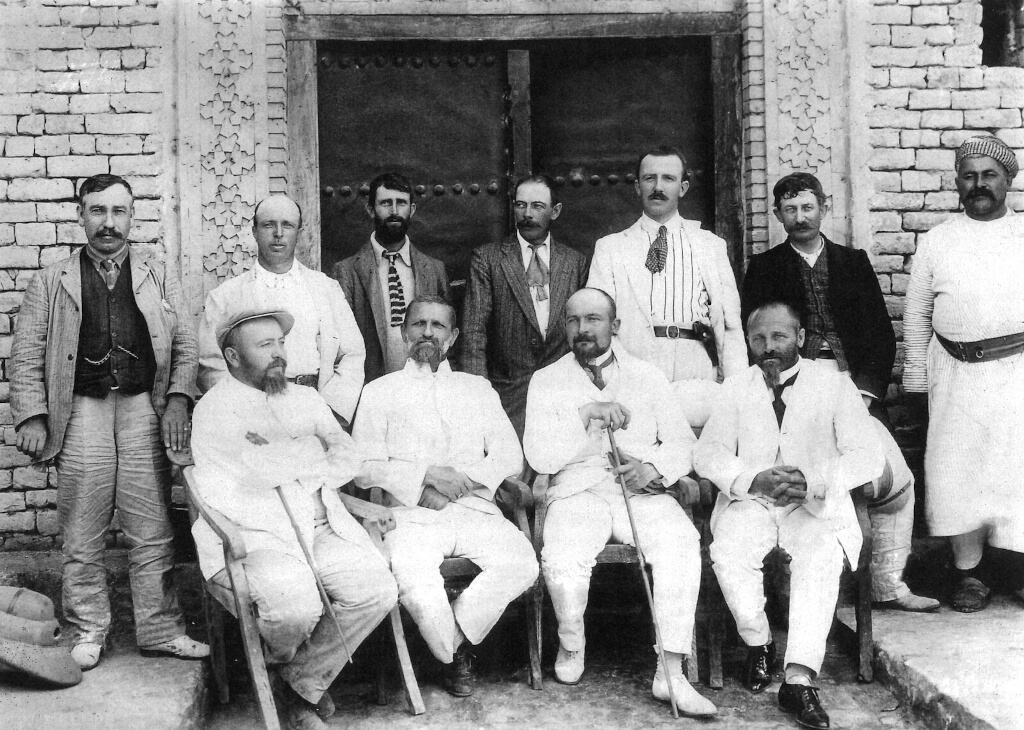
November 2022 | Vol. 10.11 By Odette Boivin When the German architect-turned-archaeologist Robert Koldewey and his colleagues unearthed cuneiform tablets from the ruins of Babylon

The History of Isaiah and the Age of Empires
October 2022 | Vol. 10.8 By Jacob Stromberg The prophet Isaiah stood at the beginning of an age of empires in the ancient Near East. In order, the age saw the rise of the neo-Assyr

The Biblical Scale of Gustave Doré
September 2022 | Vol. 10.9 By Sarah C. Schaefer The publication of Gustave Doré’s (1832-1883) Bible illustrations in 1865-1866 represents a watershed moment in the history of bi

Camels in the Biblical World of the Ancient Near East
One hump or two, the camel was known in Mesopotamia from the third millennium BCE onward as the “elephant of the caravan” or “elephant of the mountain.” “Camel” came la

What is Karaism and Are There Still Karaites?
august 2024 | Vol. 12.8 By Daniel J. Lasker Anyone familiar with a typical synagogue would be surprised by this photograph. Men are wearing skullcaps and prayer shawls. The ark is
The Relationship Between “Jews” and “Israelites” After the Babylonian Exile
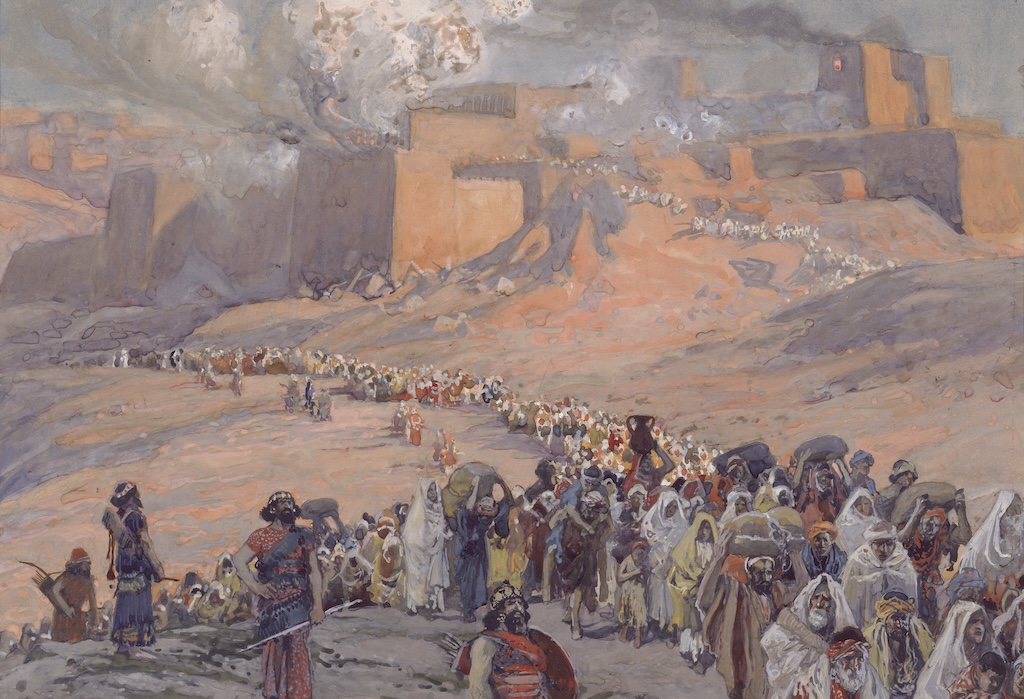
july 2022 | Vol. 10.7 By Jason Staples In his review of Karl Georg Kuhn’s Achtzehngebet und Vaterunser und der Reim, the Dutch Biblical scholar M.A. Beek fondly recalls

Were There Sumerians?
February 2022 | Vol. 10.2 By Paul Collins The Sumerians can seem very familiar. They have been understood as a distinct people, speaking a common language, who occupied the alluvia
The Exceptional Career of a Mesopotamian Ruler without a Crown: Kudur-Mabuk and the Kingship of Larsa
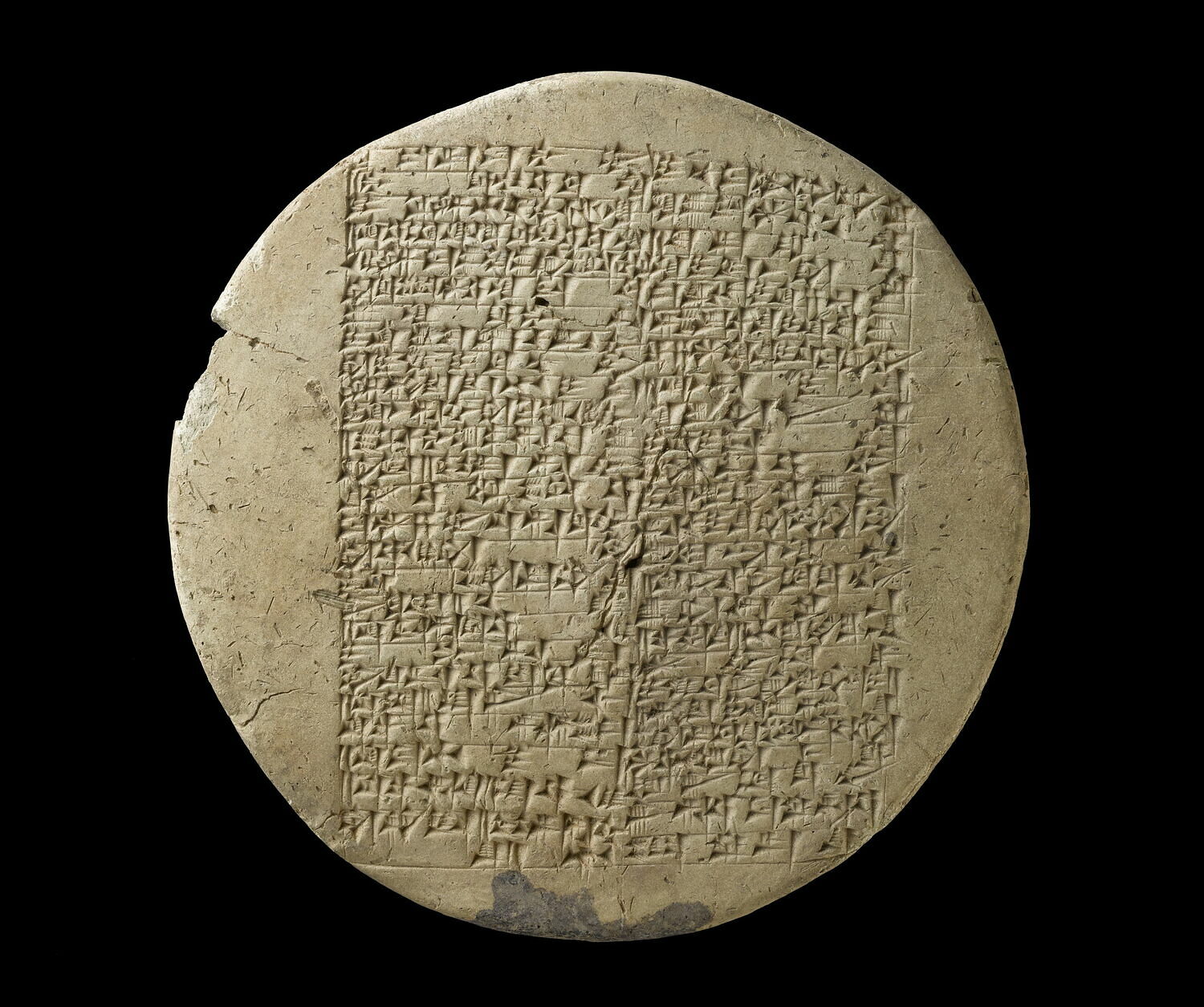
January 2022 | Vol. 10.1 By Baptiste Fiette Where did Mesopotamian kings come from? In the second third of the 19th century BCE, the kingdom of Larsa in southern Mesopotamia went t