

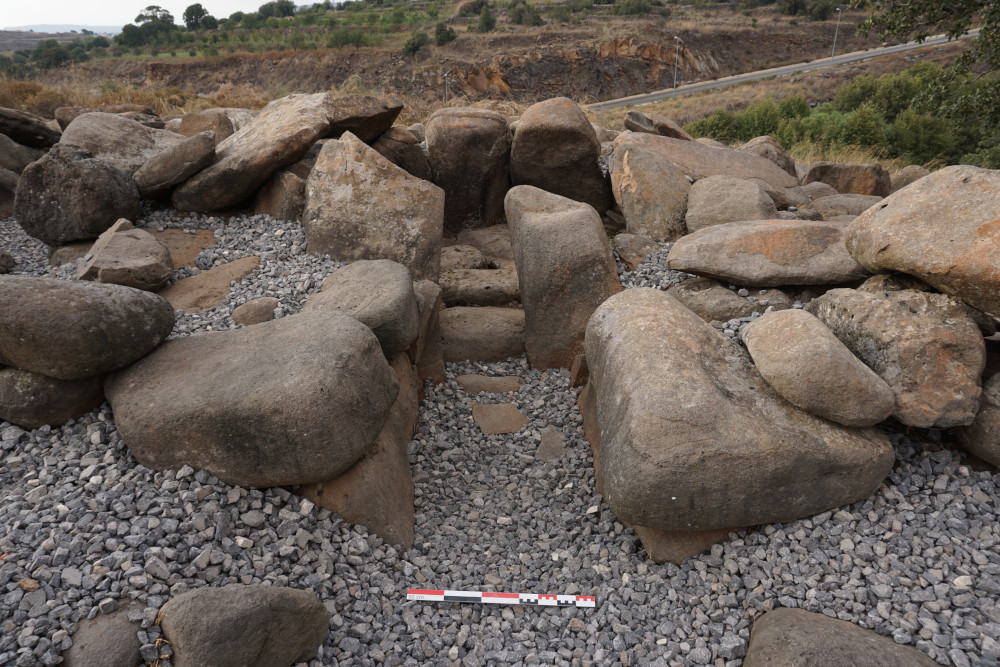
The Dolmen Tour and House of Heritage in Menjez (Akkar – North Lebanon)
Megaliths like dolmens are common around the world, including in northern Lebanon. A recent project worked with the local community to study, conserve and develop dolmens as a tour
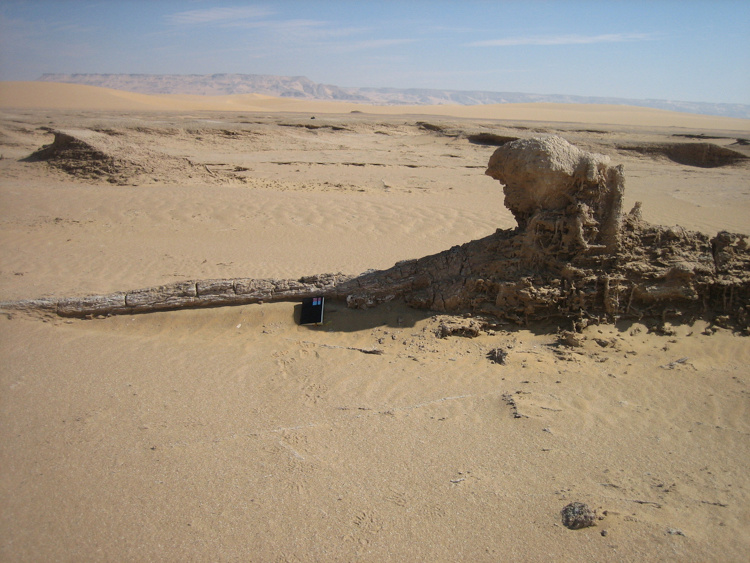
How Ancient Egypt Shows that Climate Change is Always with Us
Climate change is a constant. But for ancient Egypt, climate processes of heating and cooling were challenges and opportunities that helped bring about a great civilization. They a
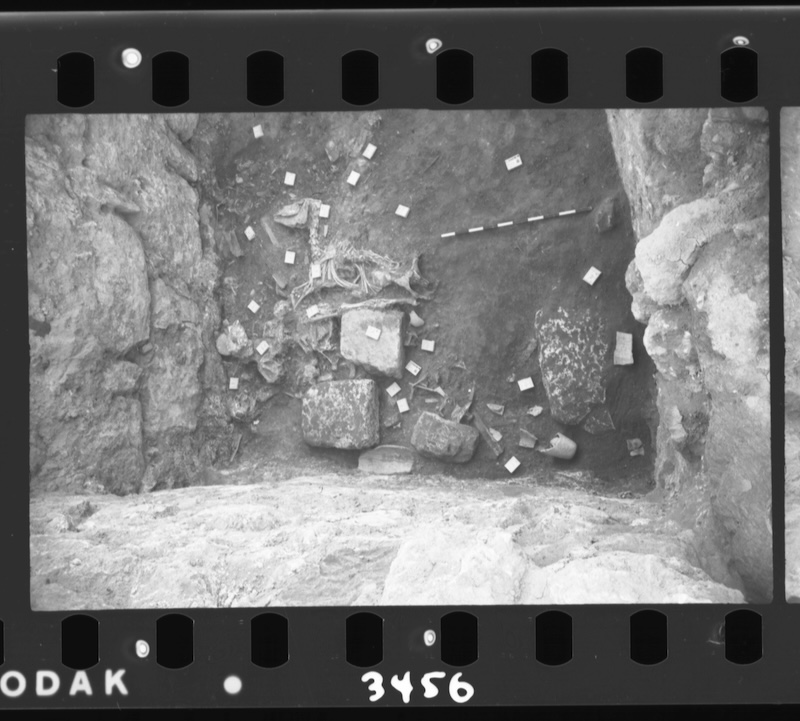
“Terminate and Liquidate”: How the Megiddo Ivories were Almost Not Discovered
Money and local politics are always the bane of archaeological projects. For the Megiddo project in the late 1930s, these problems were so dire that they almost brought the end jus
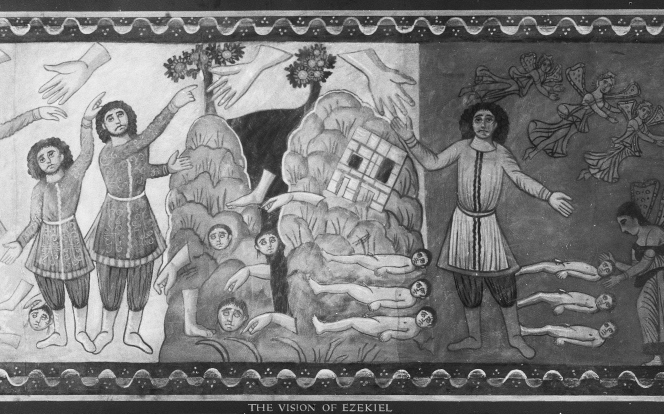
Resurrection in the Mediterranean World
The Christian belief in the resurrection of Jesus of Nazareth gradually made its way around the ancient Mediterranean world. But it fell on fertile ground because the idea of resur
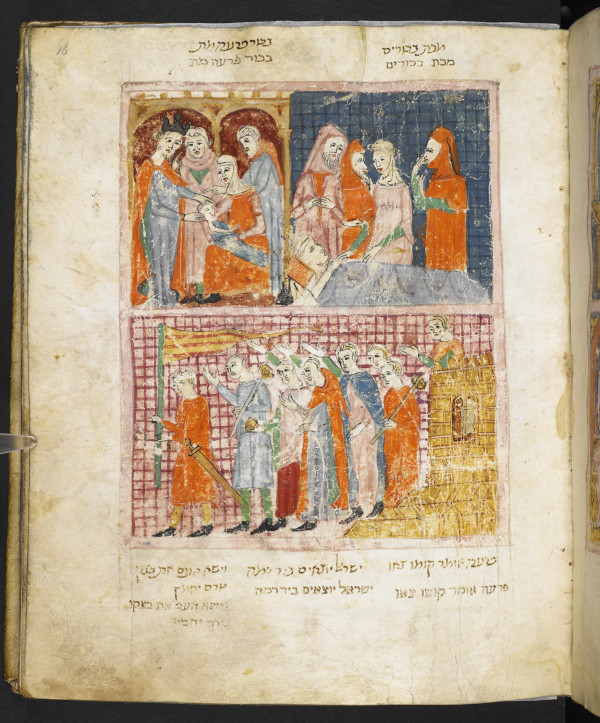
Passover in the Time of Pandemic
Disease and plague are known from prehistory to the present. They also draw lines between different epochs.
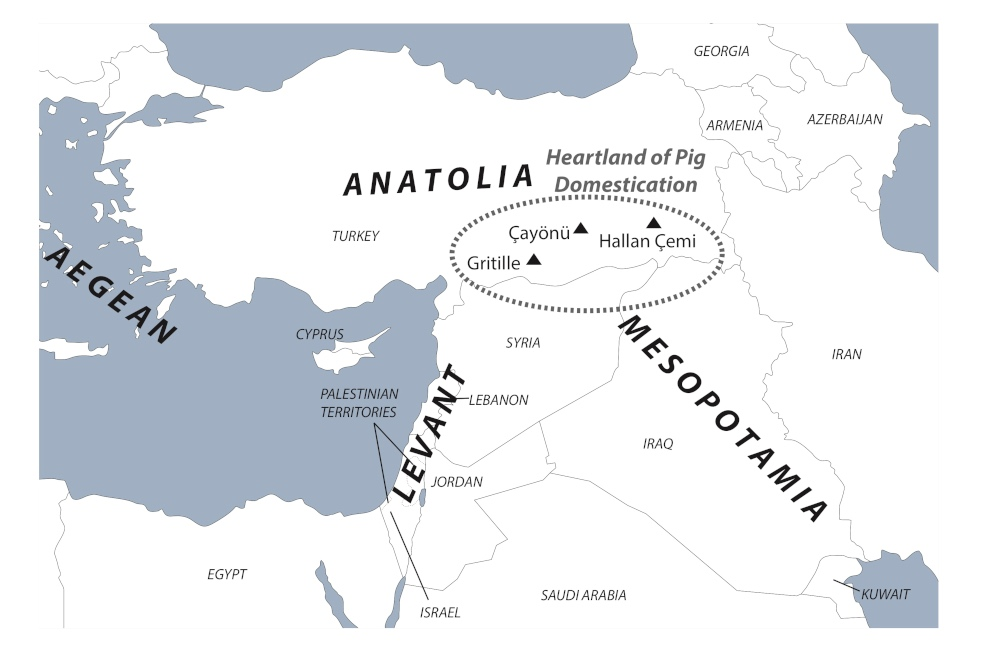
The Genesis of the Near Eastern Pig
Pigs are among the very oldest domesticated animals in the Near East with evidence going back past 9000 BCE. But unlike Mesopotamia, Egypt, Greece and Europe, pig popularity in the
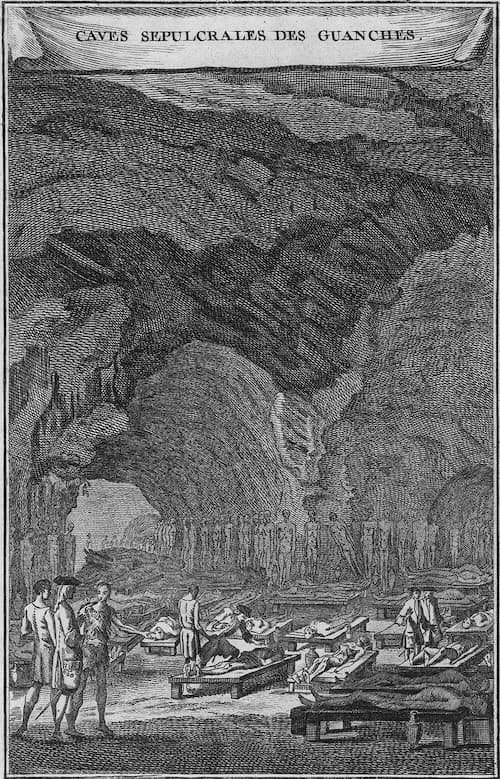
‘Mummify like an Egyptian’ – Egyptianizing Mummification in the Canary Islands
One of the most remarkable features of the indigenous culture of the Canary Island was their practice of mummification. Writers have long associated the practice with Egypt, but is
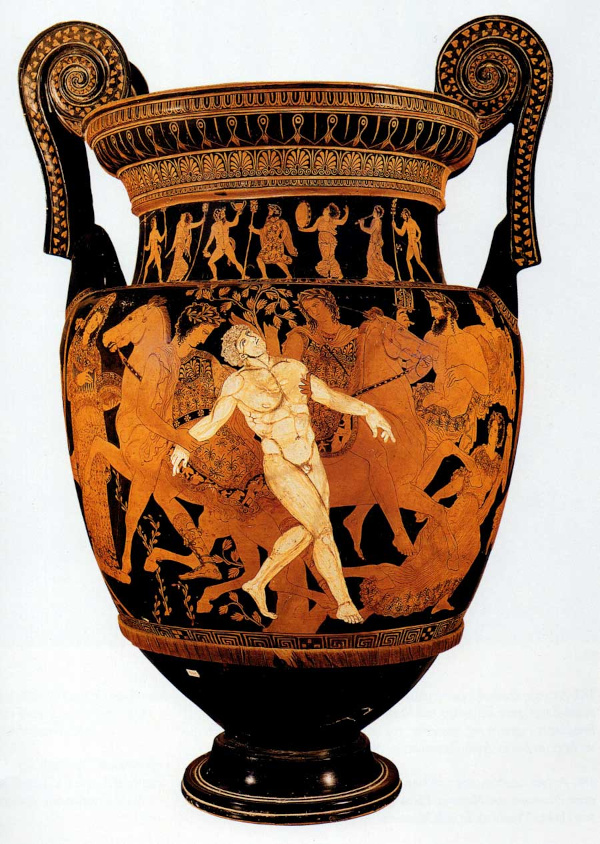
Ancient Automatons in Myth and History
Robot, androids and other artificial beings are common today, mixing technology and imagination. But they have unexpected ancestors in antiquity.
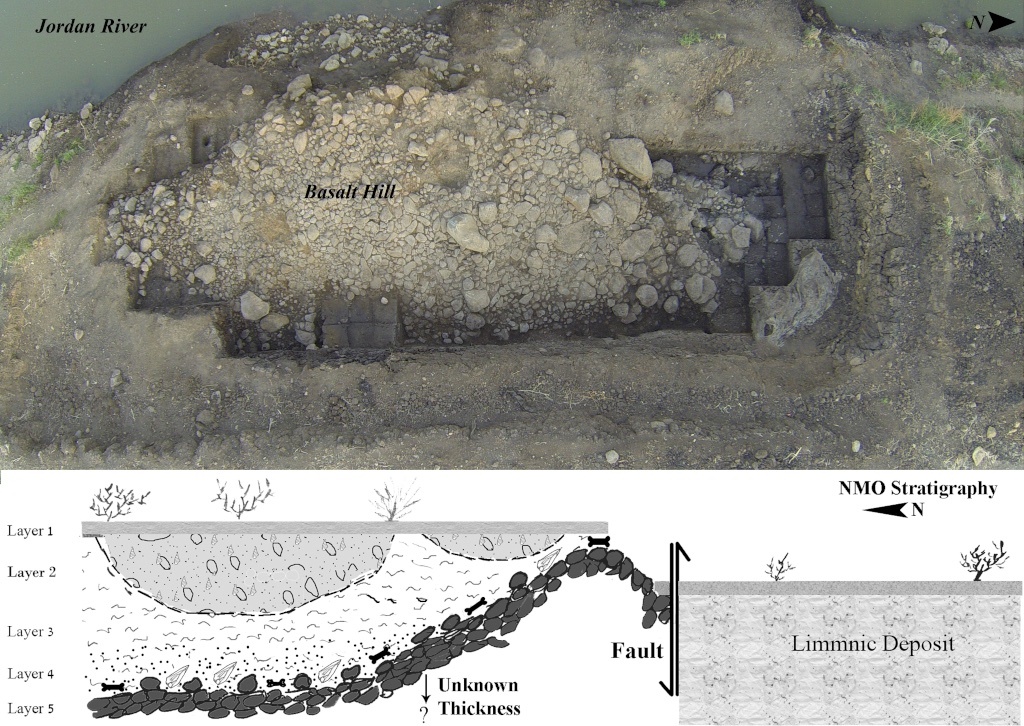
A Week in the Life of the Mousterian Hunter
Human sacrifice was never very common, but it occurred around the world. And as with many things, what mattered what who was doing the sacrificing.
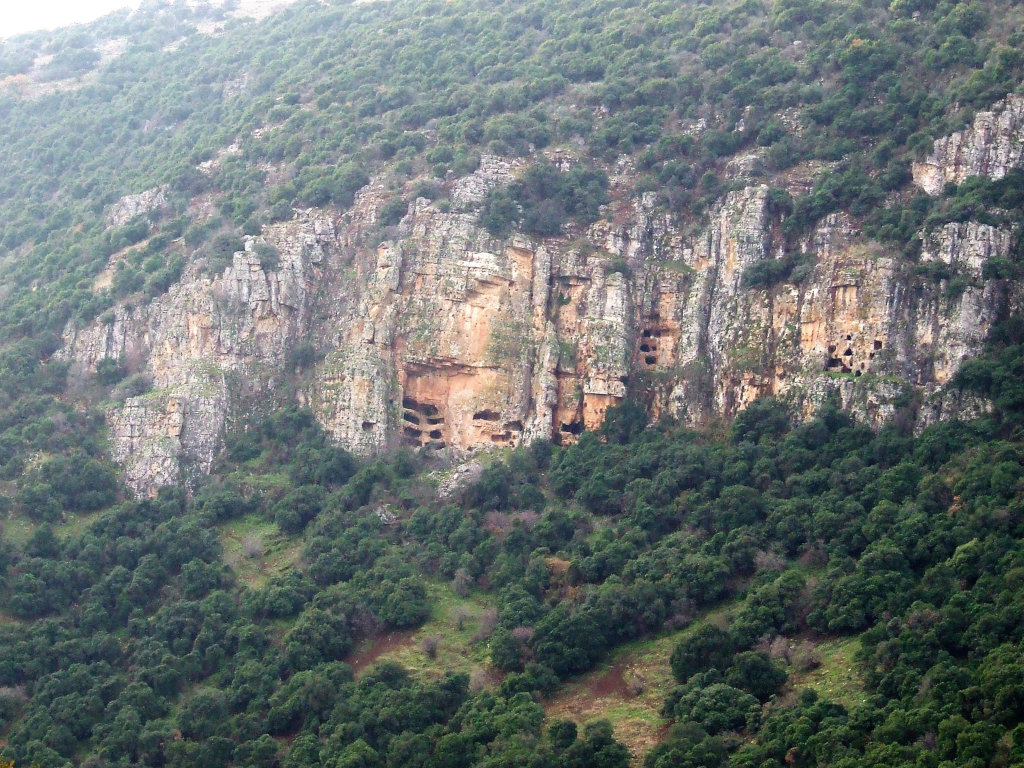
Jewish Cliff Shelters and Hiding Complexes in the Roman Period Galilee
Josephus described fortifying Jewish sites in the Galilee before the Roman onslaught. New research has shown that many of those sites were hewn into cliffs and dug below settlement