
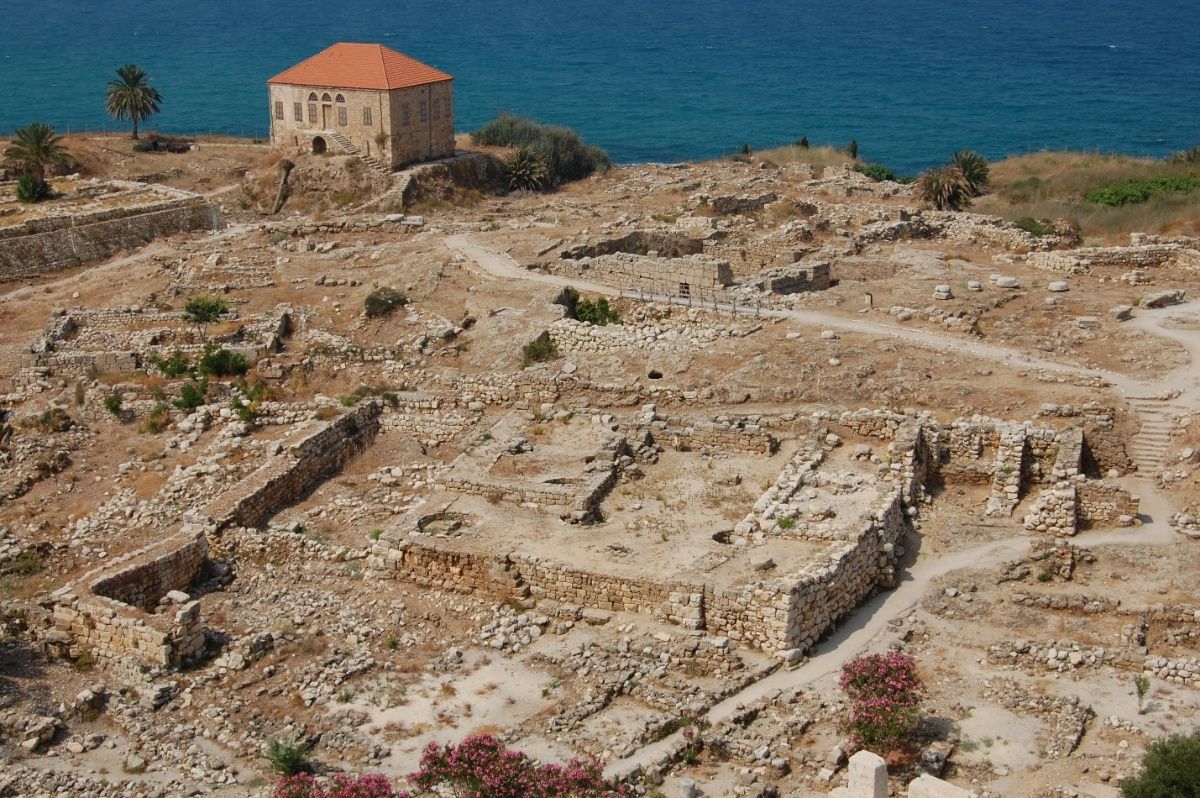
Byblos and the Making of an Ancient Maritime Hub
Unlike the great territorial states of the Bronze Age, Byblos did not build an empire. Its influence rested on something less visible but equally effective: its position within net
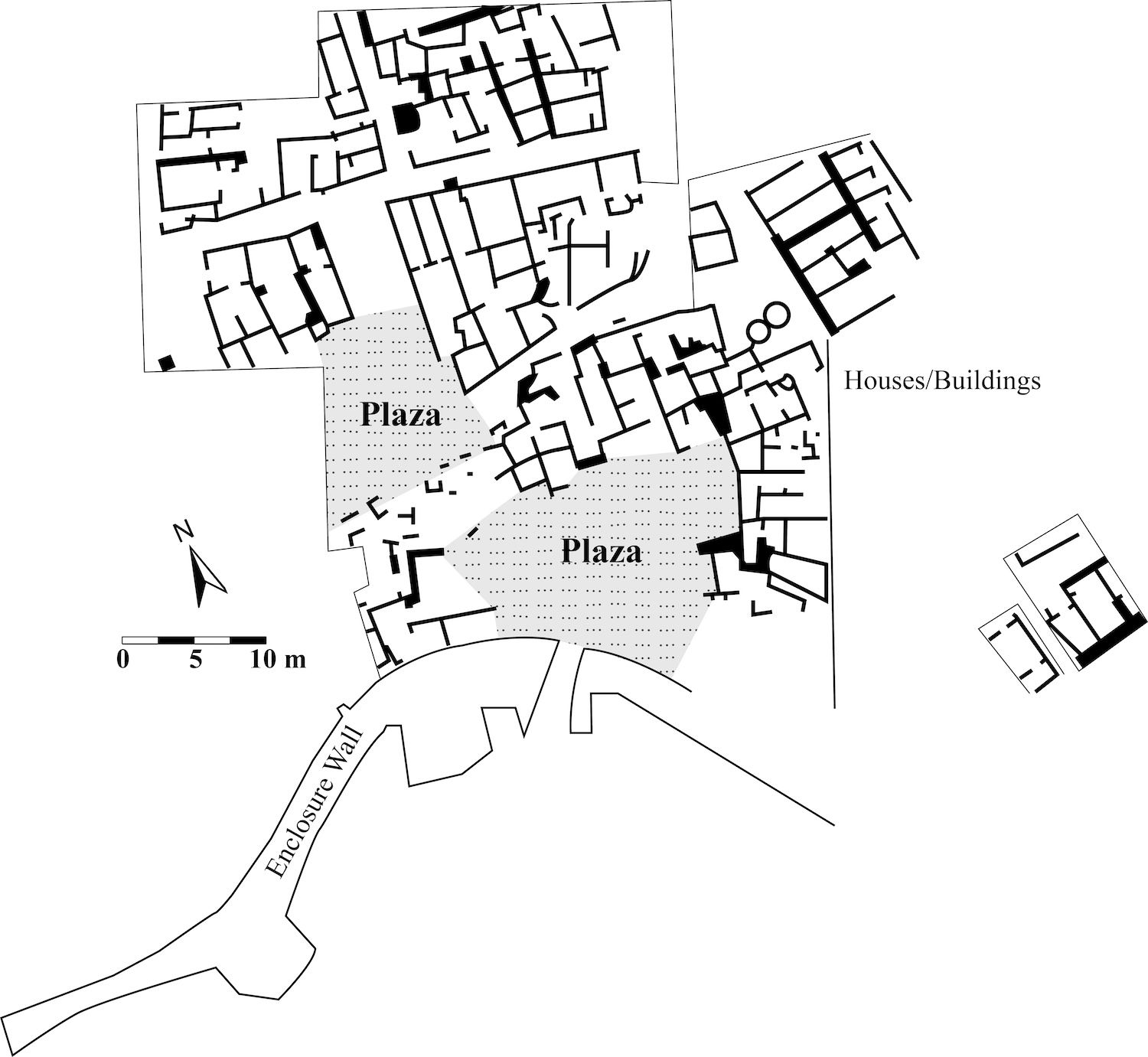
Did the Phoenicians Bring Democracy to Greece?
From Aristotle to John Adams, great minds of government have revered Carthaginian democracy as the purest expression of a people’s will. What impact did it have in the developmen
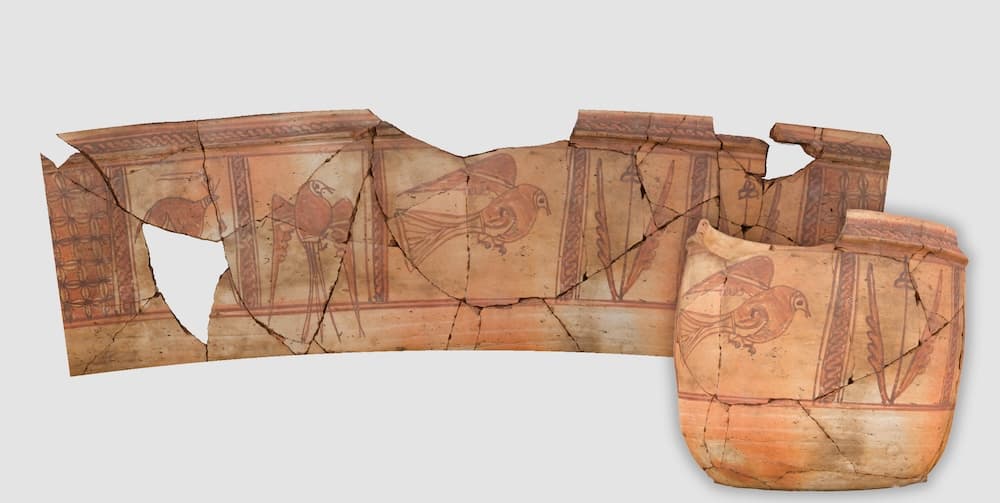
A Bestiary of Ancient Nubia
The Institute for the Study of Ancient Cultures presents a new exhibit offering a fascinating synthesis on animals in Nubian art and culture.
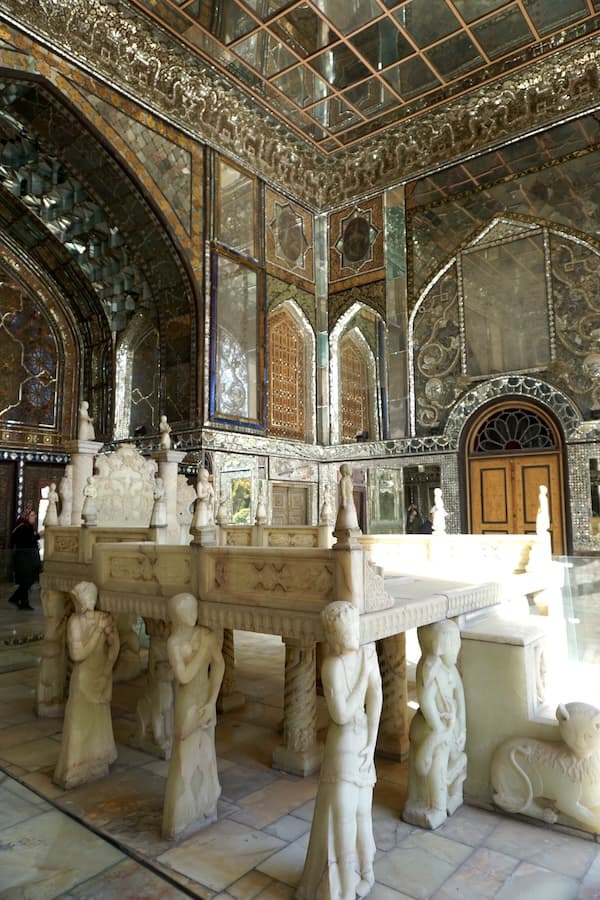
Severed Spaces: Documenting Cultural Heritage at Risk in Iran
The Cultural Heritage Watch platform not only documents the damage to Iran’s heritage in wartime but preserves the social memories and meanings of these places.

Ancient Nessana: A Pilgrimage Site at the Edge of the Desert
Ancient Nessana is not associated with any biblical events or major relics. However, during the Byzantine period it emerged as a prominent Christian center for pilgrims traveling t
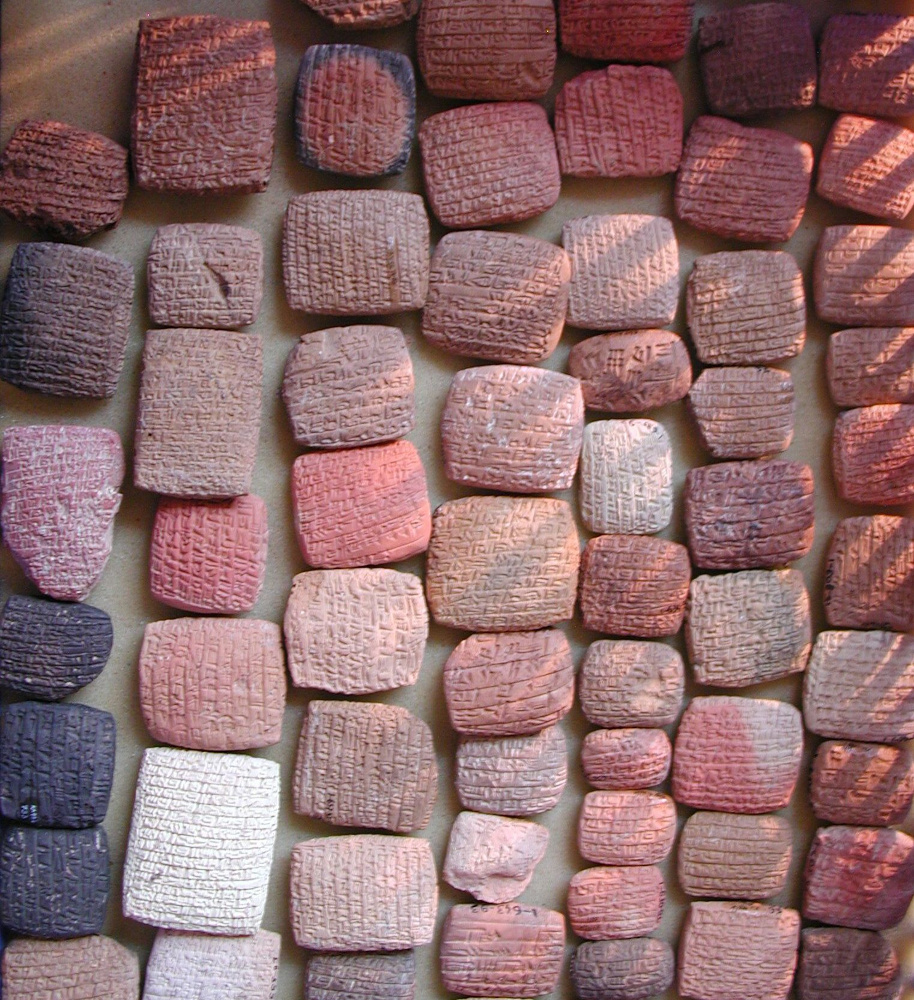
Cuneiform Written Artifacts and Missing Evidence in the Study of the Ancient Near East
The cuneiform sources of ancient Mesopotamian history are abundant. They are nevertheless incomplete, having been filtered by ancient processes of preservation and destruction, sh
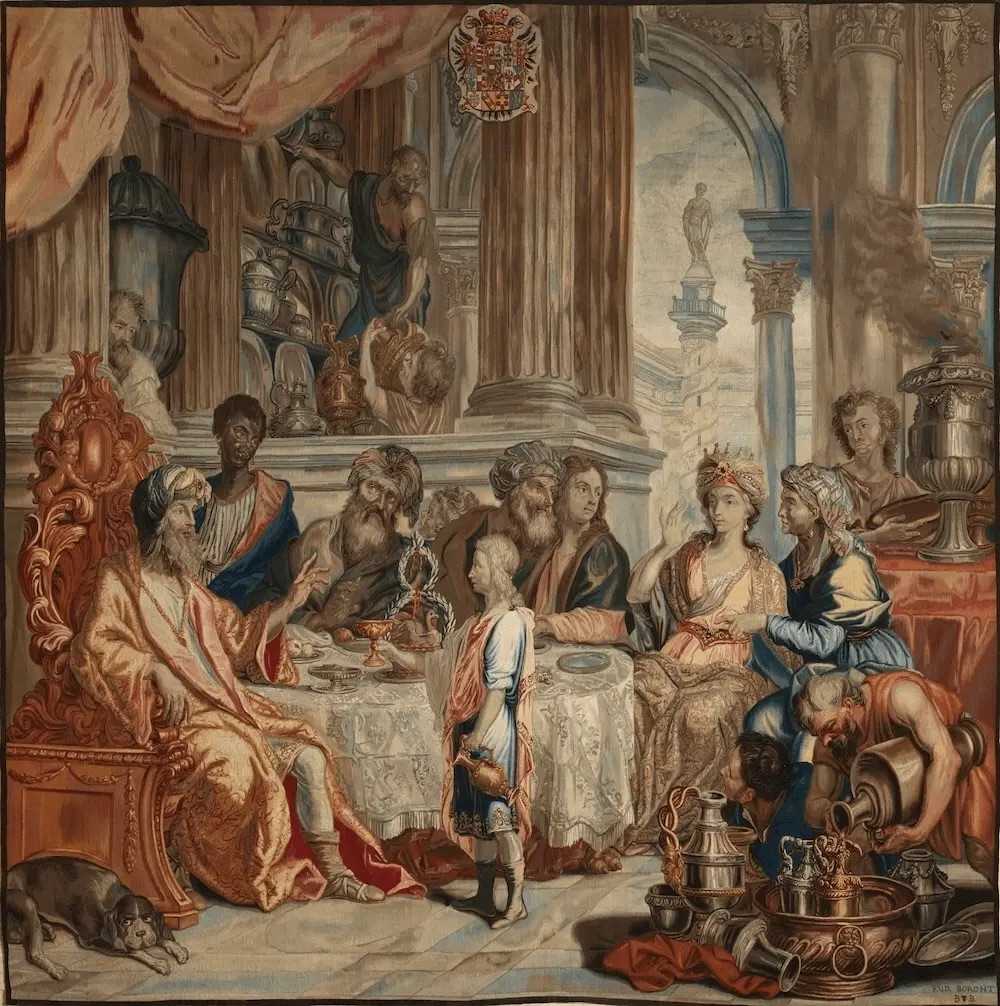
The Myth of the Servant: A New Tale of Kingship from the Ancient Near East
Why do so many of the ancient world’s most famous kings share the same unlikely origin story? The answer may lie in a mythical template first forged in Mesopotamia.

Excavating the Royal Capital of Ammon: A New Research Project on the Amman Citadel
The Amman Citadel with its prominent ruins is the most striking landmark in the city centre. Since 2024, the Amman Archaeological Project has been investigating the site’s forma
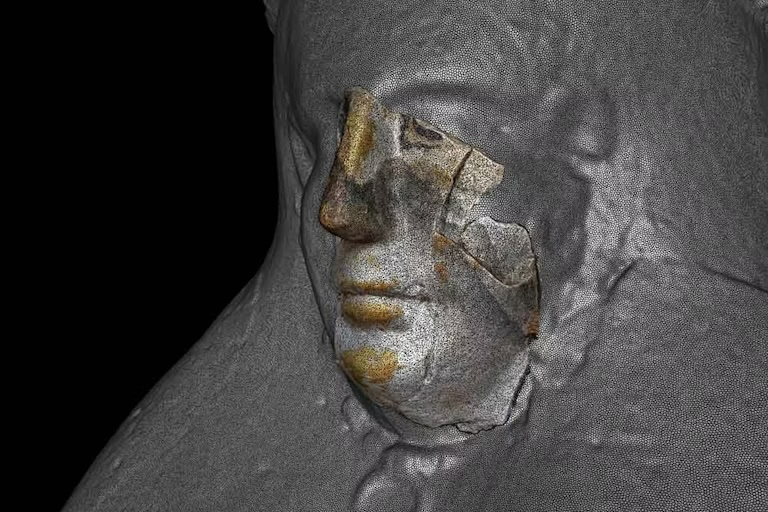
Connecting Objects Across Space and Time with 3D Scanning and Shape Analysis
Can we use digital tools to test whether fragments and museum objects might be related? Can we recover parts of their histories that were previously inaccessible?

Genocide in the Hebrew Bible
Narrative accounts of genocidal violence appear multiple times in the Hebrew Bible. Why are they there and what do they have to do with modern genocides?