

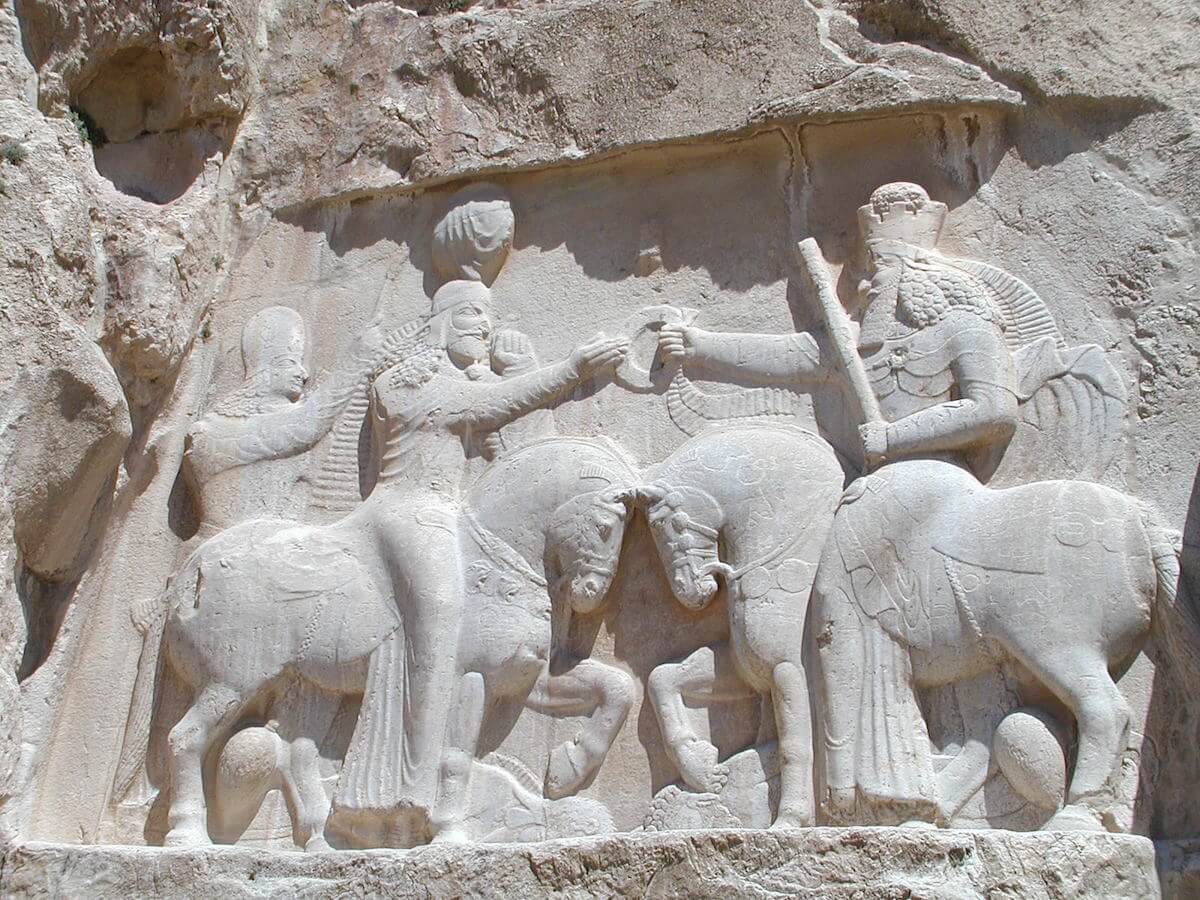
The Last Empire of Iran
February 2021 | Vol. 9.2 By Michael R.J. Bonner In 330 BCE, Alexander the Great destroyed the Persian imperial capital at Persepolis. This was the end of the world’s first great
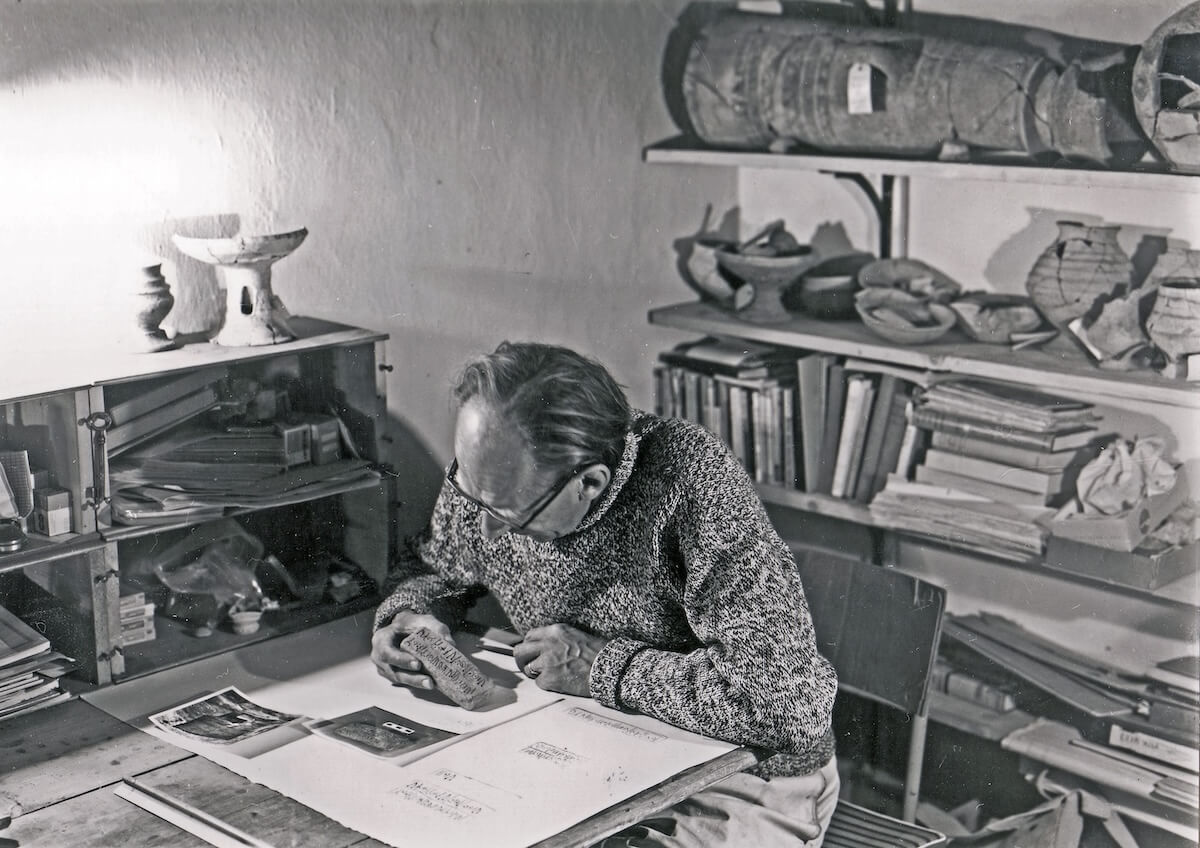
The Enigmatic Tablets from Late Bronze Age Deir ‘Alla
January 2021 | Vol. 9.1 By Michel de Vreeze On April 1, 1964 Henk Franken and his Leiden University based team stumbled upon two clay tablets. Two days later a third tablet was fou
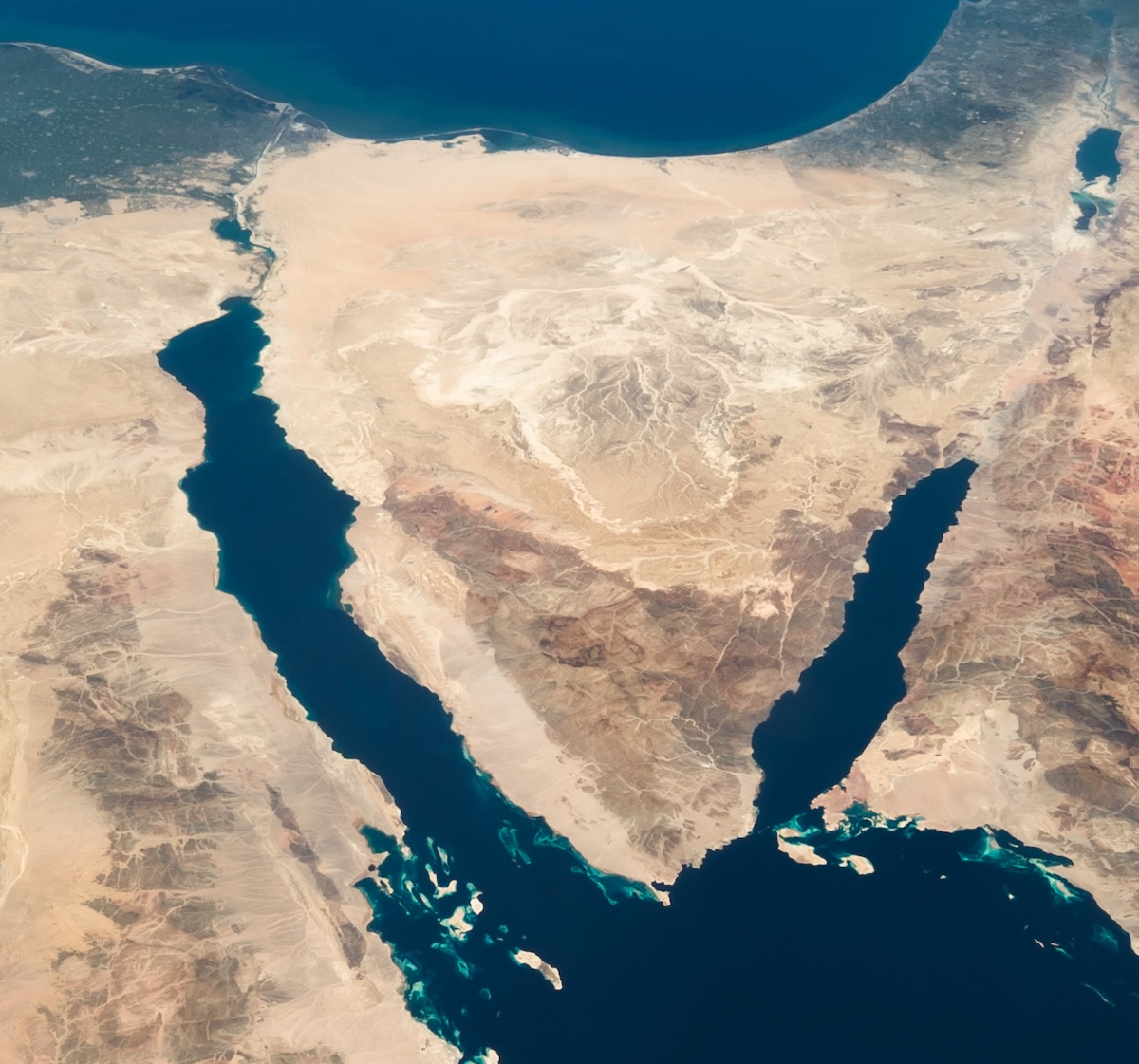
Sinai in Ten Maps
January 2021 | Vol. 9.1 By Ahmed Shams Can ten maps sum up the history of an ancient land mass? Moreover, can they tell us about the region’s future? Determining where humans se
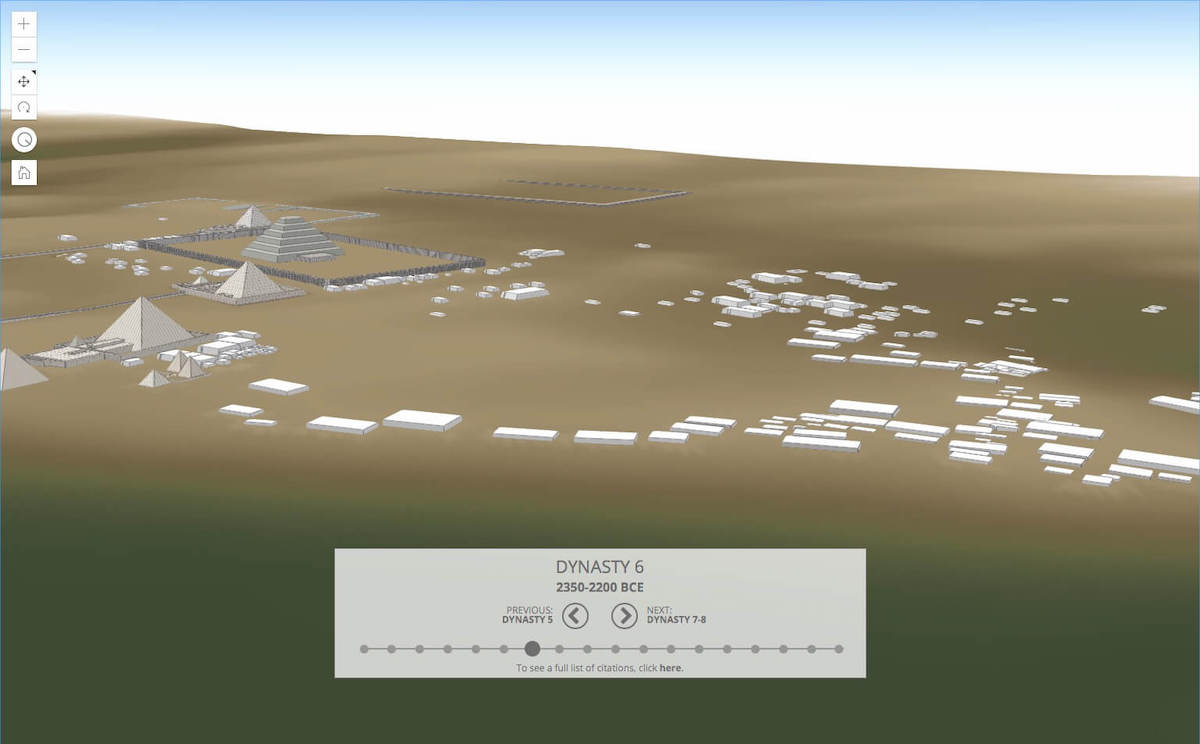
Saqqara in 3D: A New Look at an Ancient Site
January 2021 | Vol. 9.1 By Elaine Sullivan The Saqqara cemetery, located about 15 kilometers south of the Giza pyramids, is one of Egypt’s most spectacular tourist sites. Modern
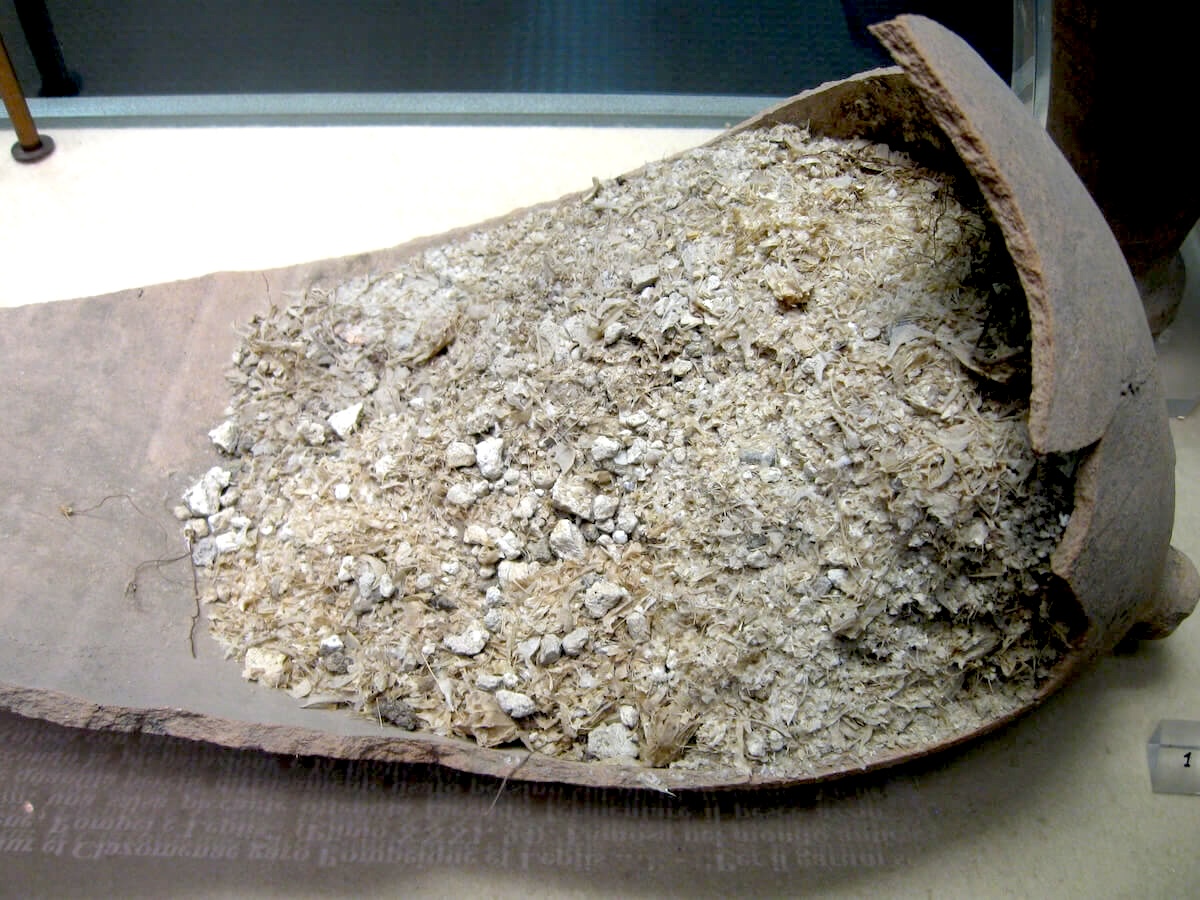
Fish Sauces – The Food that Made Rome Great
January 2021 | Vol. 9.1 By Benedict Lowe Recent research has done much to stress the importance of fish in the ancient Roman diet. But there were many ways to consume fish. The mos
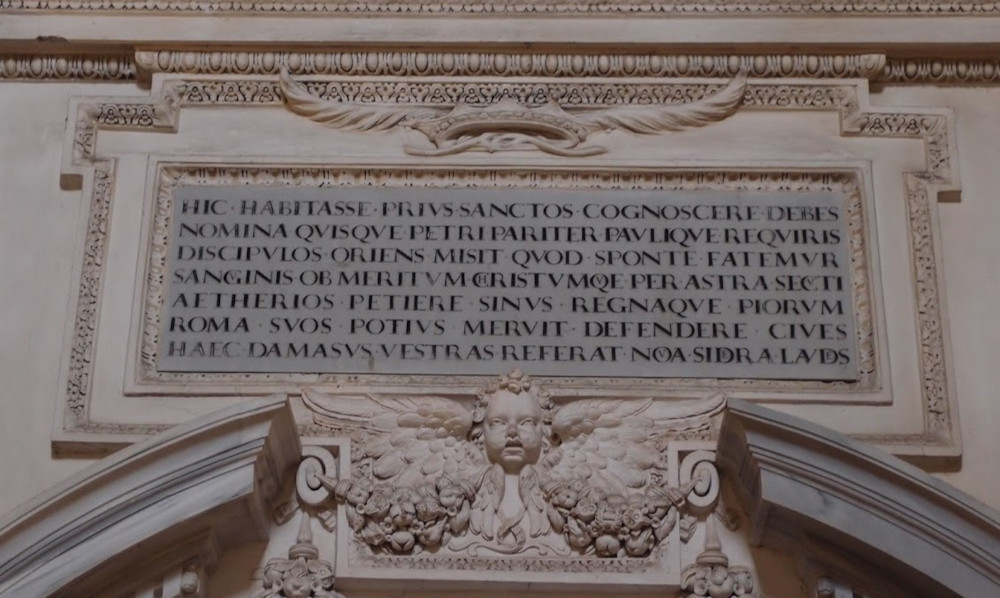
The Apostle Peter, Anchor of the Church
All traditions need anchors in the past. To anchor the church in Rome the fourth century Pope Damasus wrote Roman style poetry and venerated martyrs, above all the Apostle Peter.
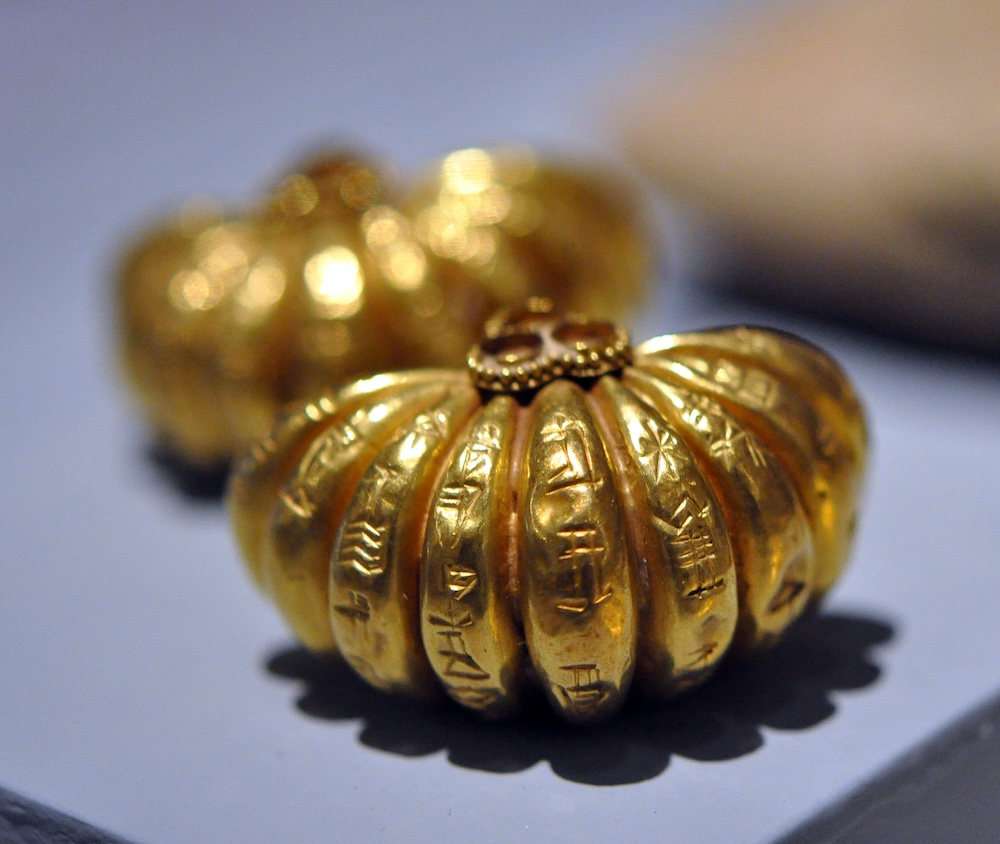
Photographing Iraq
Mesopotamia is a difficult place to make a mark. But for one Iraqi neurologist, a passion for archaeological photography has opened Mesopotamia to the world.
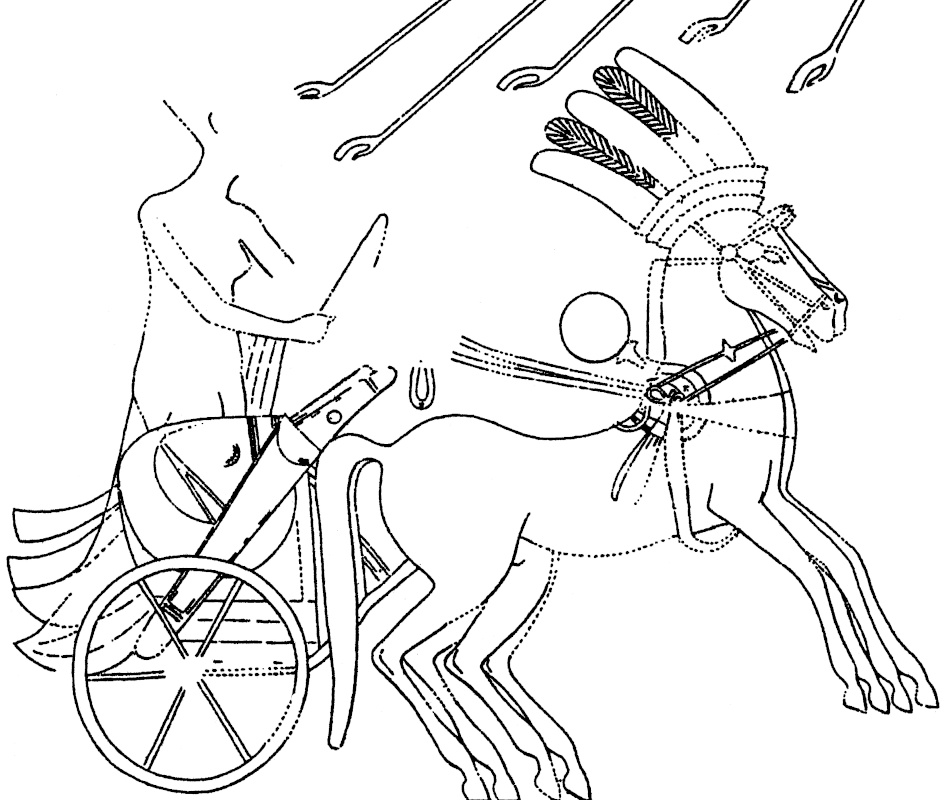
Nefertiti on Her Chariot – The Use of Chariots in Ancient Egypt
Chariots appear in Egypt in the early second millennium as modes of transportation and weapons of war. For a brief time, women were also drivers.
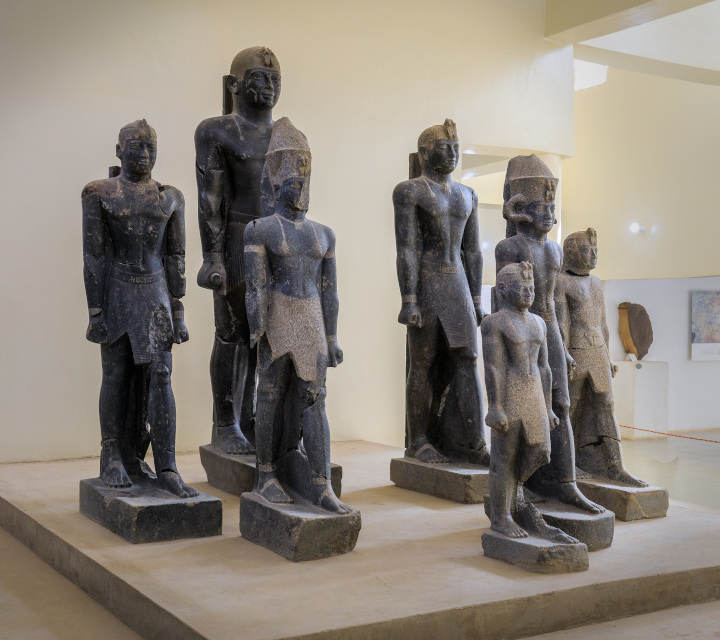
The Cushites: Race and Representation in the Hebrew Bible
The Cushites are mentioned 54 times in the Hebrew Bible. The texts are conscious of skin color but what mattered was the relationship with God.
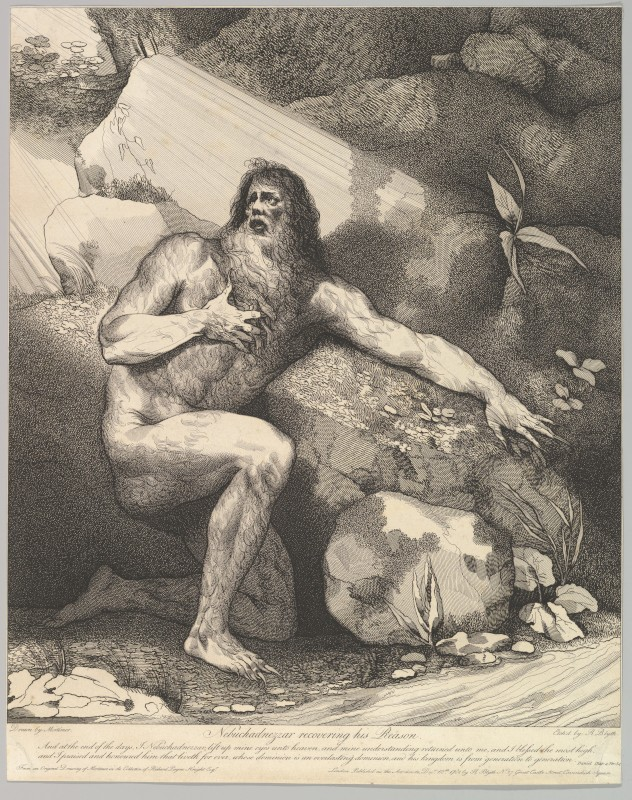
Nebuchadnezzar Explained: Warrior King, Rebuilder of Cities, and Musical Muse
Neo-Babylonian kings are unusual sources of musical inspiration, but Nebuchadnezzar is an exception. What have composers from Verdi to Kanye seen in him?