
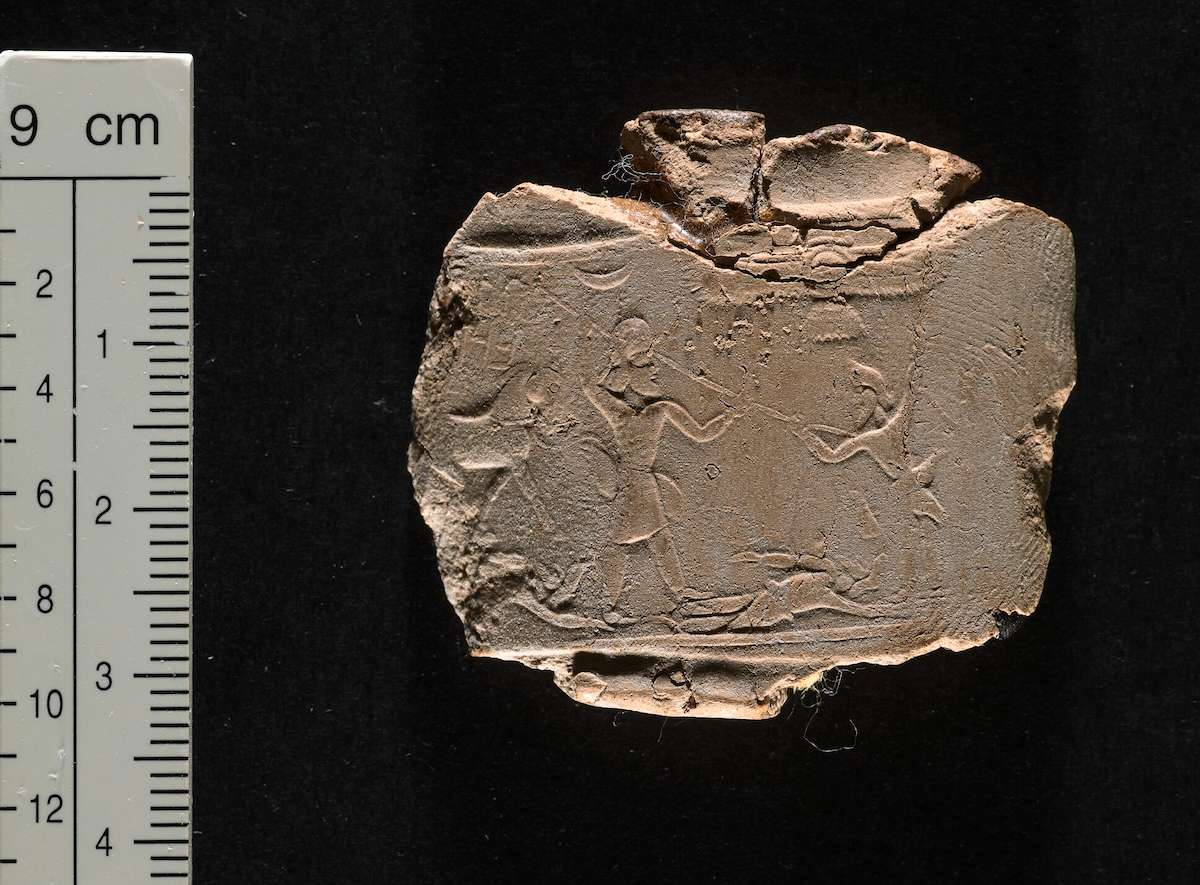
The House of Aršāma, Persian Satrap in Egypt
Satraps (“governors”) did the everyday work of maintaining Persian imperial rule across its vast empire. Ancient texts from Egypt allow us to understand how this arrangement wo
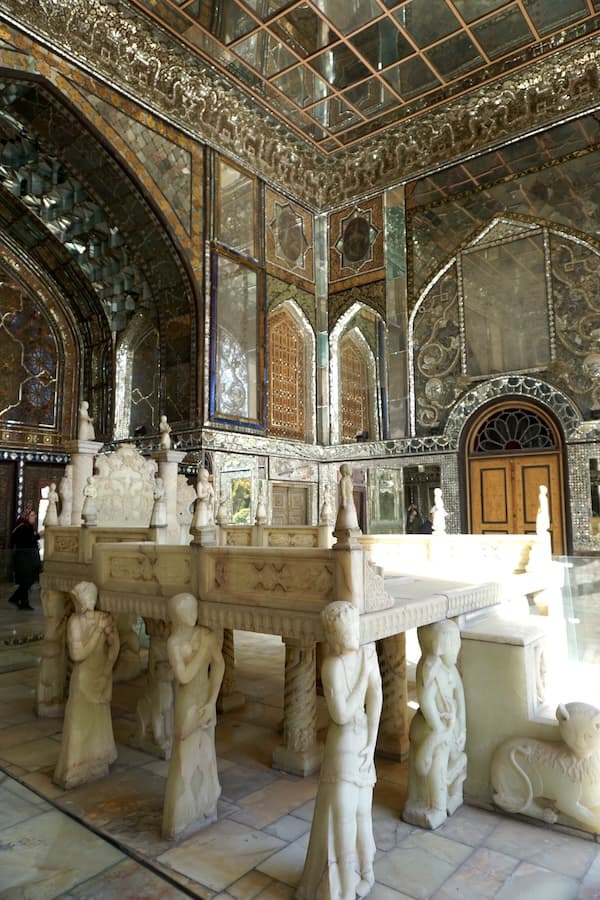
Severed Spaces: Documenting Cultural Heritage at Risk in Iran
The Cultural Heritage Watch platform not only documents the damage to Iran’s heritage in wartime but preserves the social memories and meanings of these places.

How Did Cyrus the Great Die?
April 2024 | Vol. 12.4 By Morteza Arabzadeh Sarbanani As far as we know, Cyrus the Great, founder of the Achaemenid Persian Empire, probably died around 530 BCE at the age of seven

Breaking the Code: Ancient Iran’s Linear Elamite Script Deciphered
september 2022 | Vol. 10.9 By François Desset, Kambiz Tabibzadeh, Matthieu Kervran, Gian Pietro Basello, and Gianni Marchesi Research in the humanities achieves definitive results
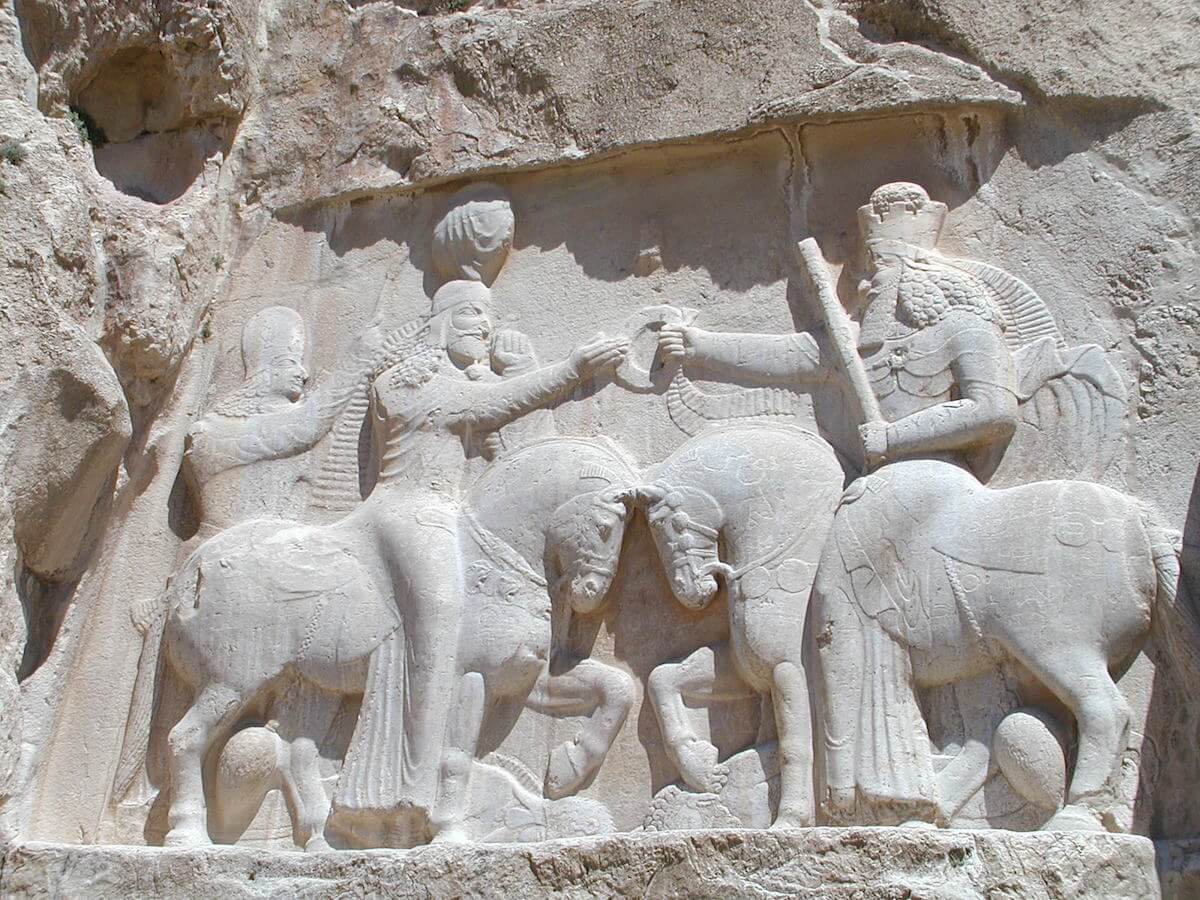
The Last Empire of Iran
February 2021 | Vol. 9.2 By Michael R.J. Bonner In 330 BCE, Alexander the Great destroyed the Persian imperial capital at Persepolis. This was the end of the world’s first great

The First Archeological and Ethnoarcheological Survey Project in the Sefidkuh Makran Mountains of Baluchistan
The Sefidkuh region of southern Baluchistan is a huge and nearly impassable mountain range. A new project has explored both archaeological sites and modern villages.
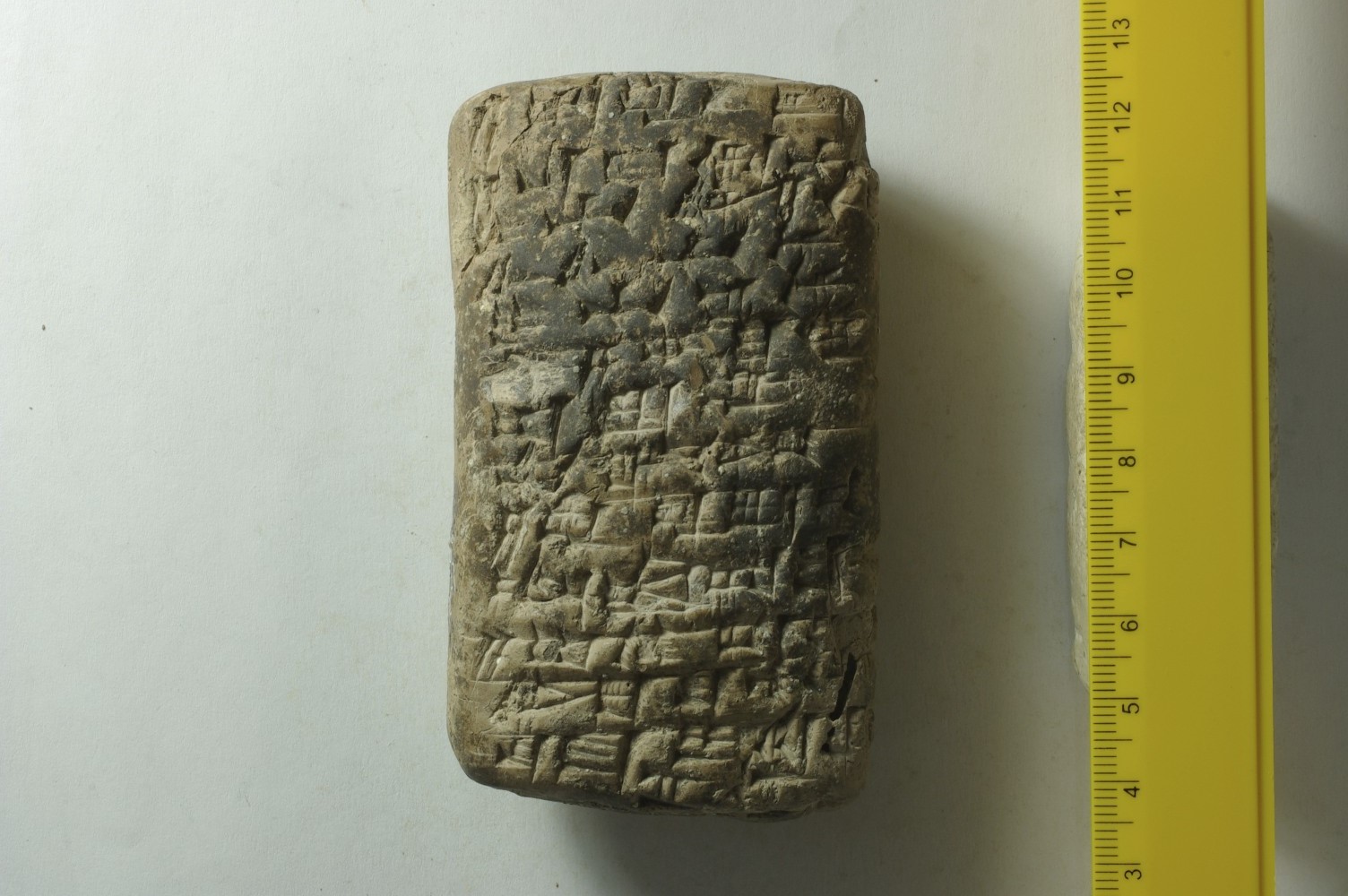
The Care of the Elderly in Susa: A Study in the Akkadian Documents from the Sukkalmah Period
A unique series of texts from the early second millennium BCE at Susa shows that care of the elderly was a serious concern for families. Then, as now, inheritance was a motivation