
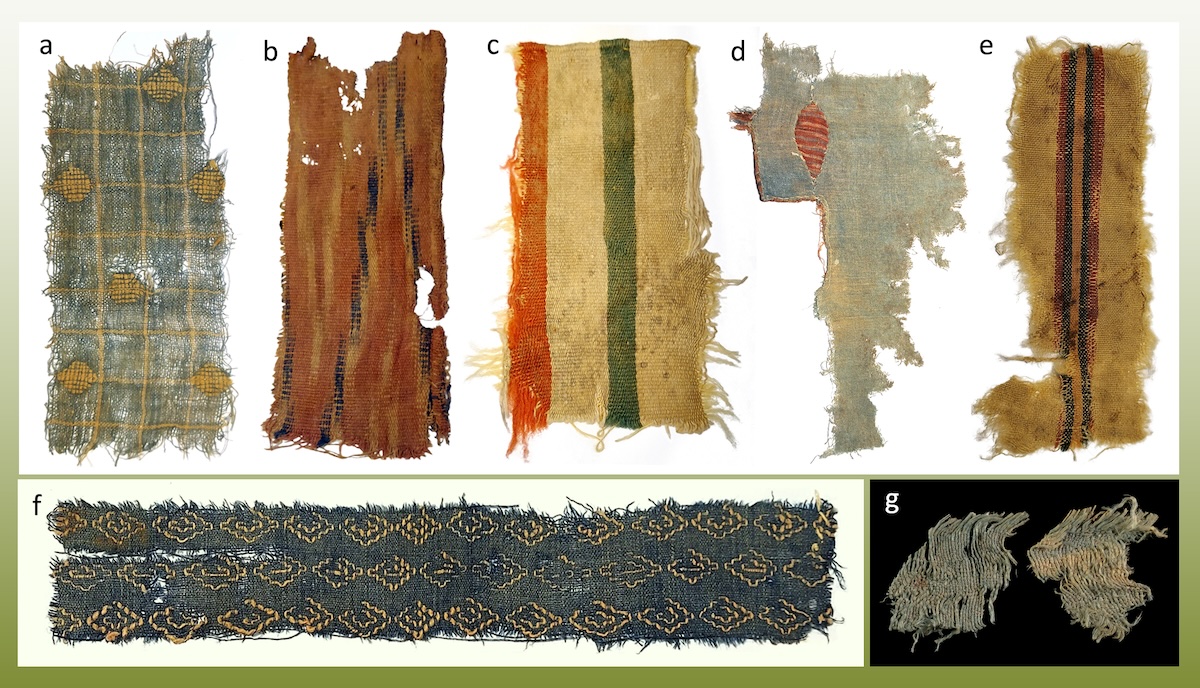
From Trash to Treasure: Nahal Omer and the Virtual Silk Road
When people think of the archaeology of Israel, the Silk Road is not usually the first association that comes to mind. A new virtual exhibition—From Trash to Treasure—aims to c

Children in the Ancient (and Present-day) Near East
The archaeological record and the cuneiform literature provide us with compelling information to assess how children lived 3000 years ago. This should open our eyes to current real

Animal Dung and Energy — A View from Mesopotamia
Long before coal or oil, fire depended on whatever you could gather. In the ancient Near East, animal dung was essential fuel. What cultural, political, and legal rules governed it
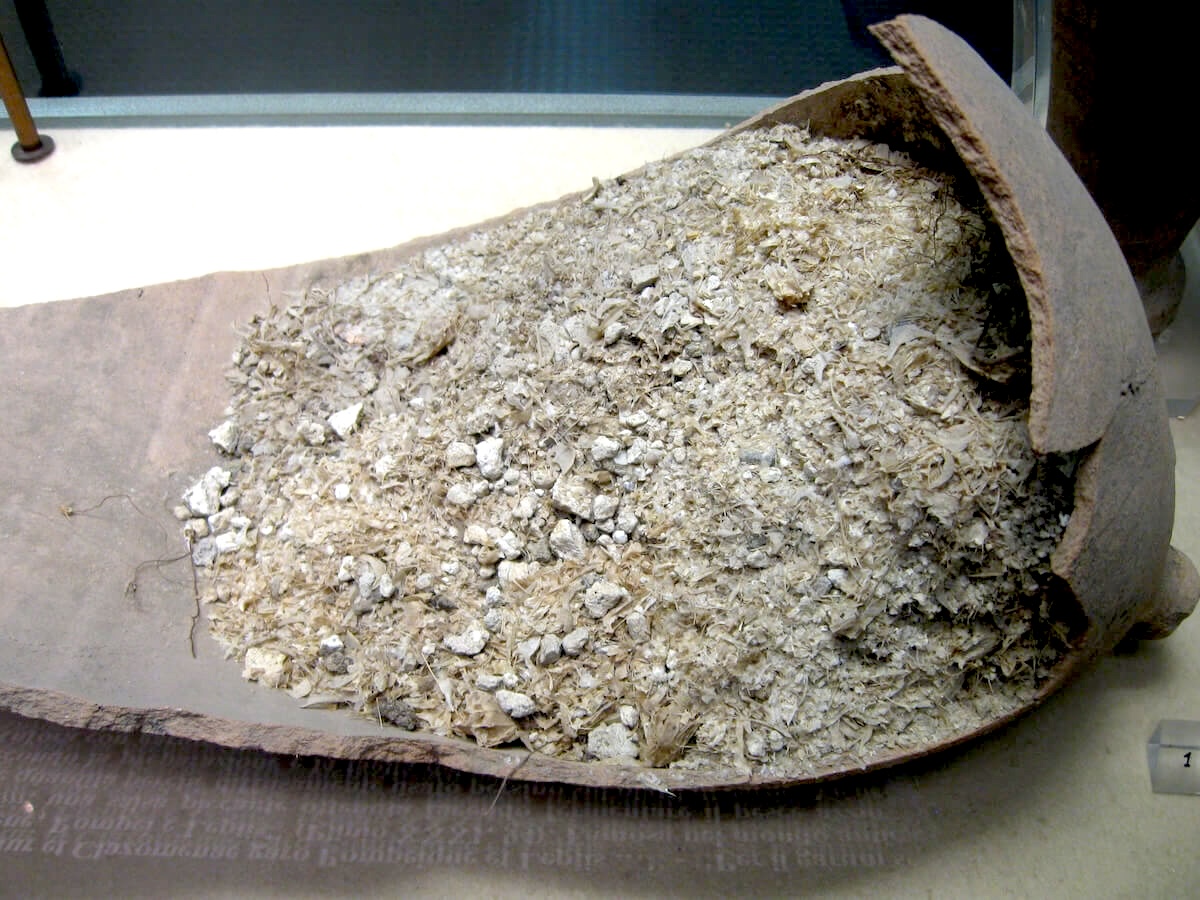
Fish Sauces – The Food that Made Rome Great
January 2021 | Vol. 9.1 By Benedict Lowe Recent research has done much to stress the importance of fish in the ancient Roman diet. But there were many ways to consume fish. The mos

The Sound and the Fury: The Passion for Chariot Racing in Imperial Rome
The Circus Maximus in Rome could have held as many as 250,000 spectators. The attraction of an edge-of-your-seat, high-speed spectacle is familiar, but the experience was much more

The Archaeology of Clothing in the Ancient Near East
Everyone wore clothes in the ancient Near East but direct evidence is sparse in the archaeological record. Can new methods and a careful look at art bring us closer?

Vanilla in the Middle Bronze Age: New Findings from Megiddo
There were many kinds of fragrances and flavors available in the second millennium BCE. But the recent finding of vanilla residues at Megiddo takes the idea of exotic to a whole ne
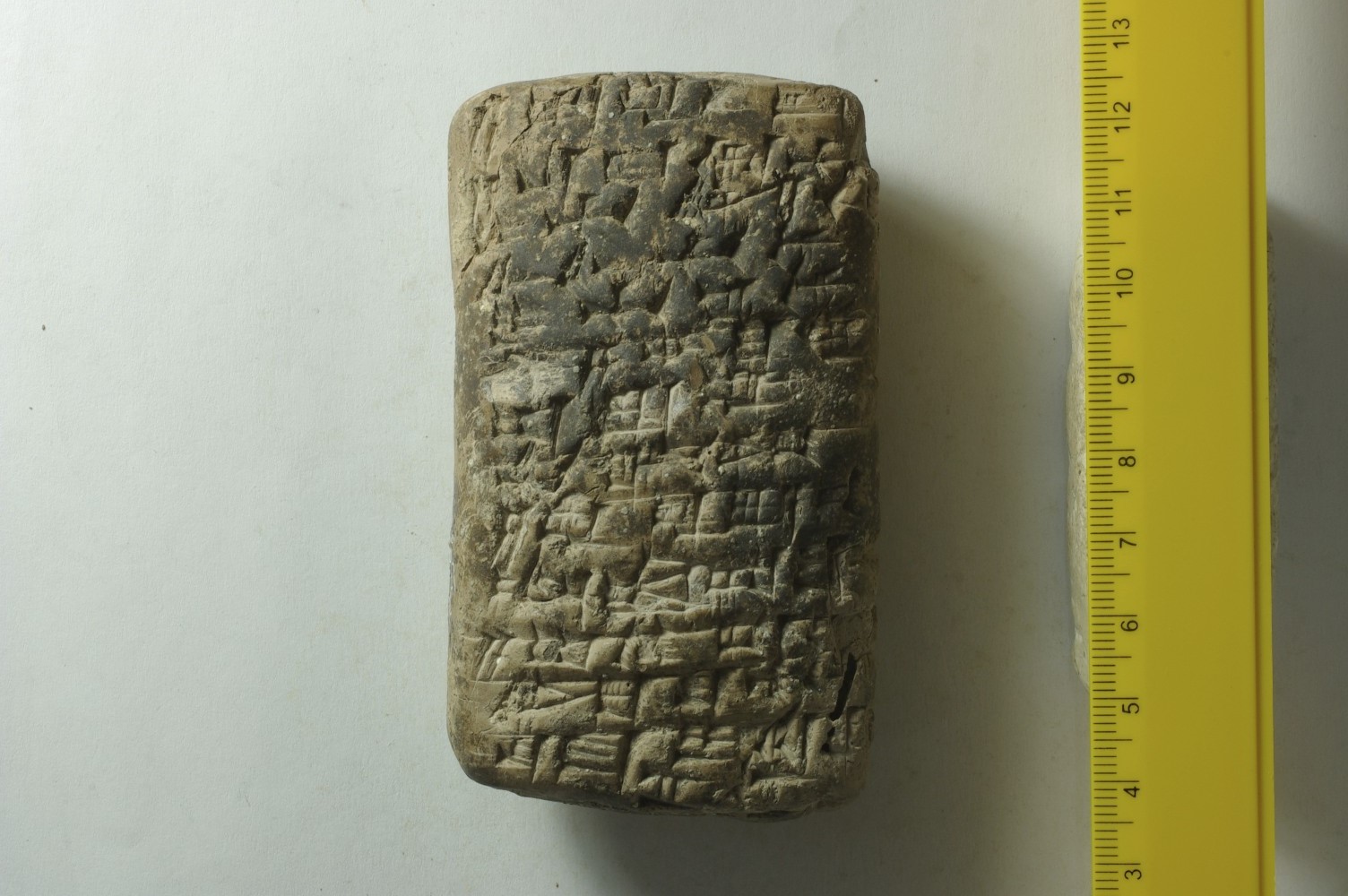
The Care of the Elderly in Susa: A Study in the Akkadian Documents from the Sukkalmah Period
A unique series of texts from the early second millennium BCE at Susa shows that care of the elderly was a serious concern for families. Then, as now, inheritance was a motivation
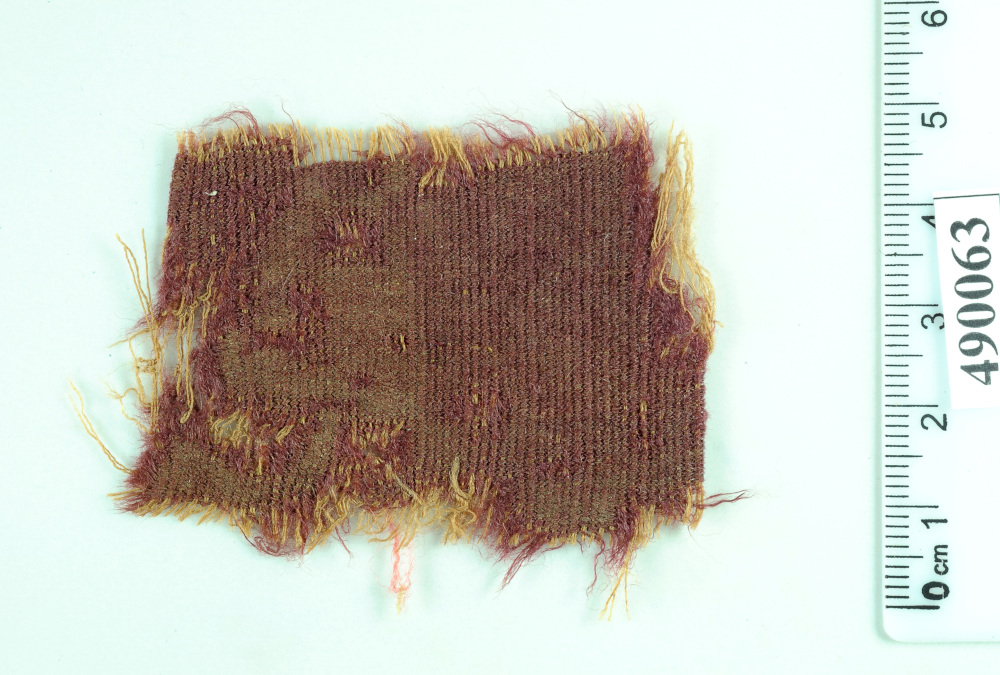
Counterfeiting and Fake Dyes in the Clothing Industry from the Roman Period
During the Roman period the color purple was restricted to elites. Not surprisingly, fakes and imitations were common. New analytical techniques help us understand these industries
Potters and Their Fingerprints
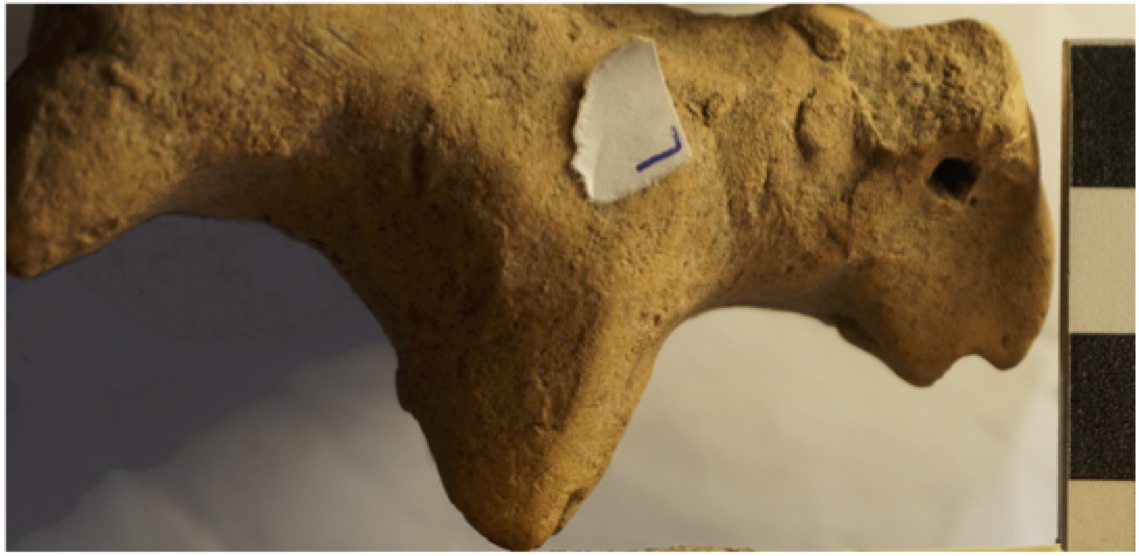
Pot sherds are ubiquitous on Near Eastern archaeological sites. But occasionally the fingerprints of the potters can tell us unexpected things about their lives and the economic sy