

How Eclipses Were Regarded as Omens in the Ancient World
Humans have long been fascinated by celestial events. In the ancient world, eclipses were regarded as signs of things to come.

Why Did Sennacherib Create Two Accounts of His Siege of Lachish?
Sennacherib’s reliefs from his palace at Nineveh famously show the destruction of the Judean city of Lachish. But why do the written accounts of the conquest differ from the reli
The Levantine Ceramics Project
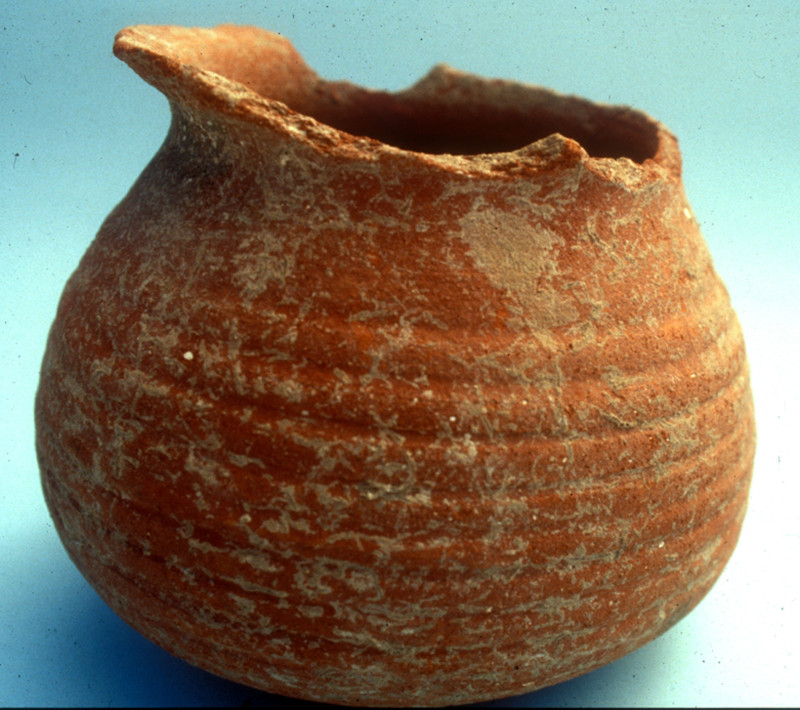
Pottery is the most common find on archaeological excavations in the Eastern Mediterranean. But studying pottery is increasingly difficult for specialists and non-specialists alike
Early Jewish Magic
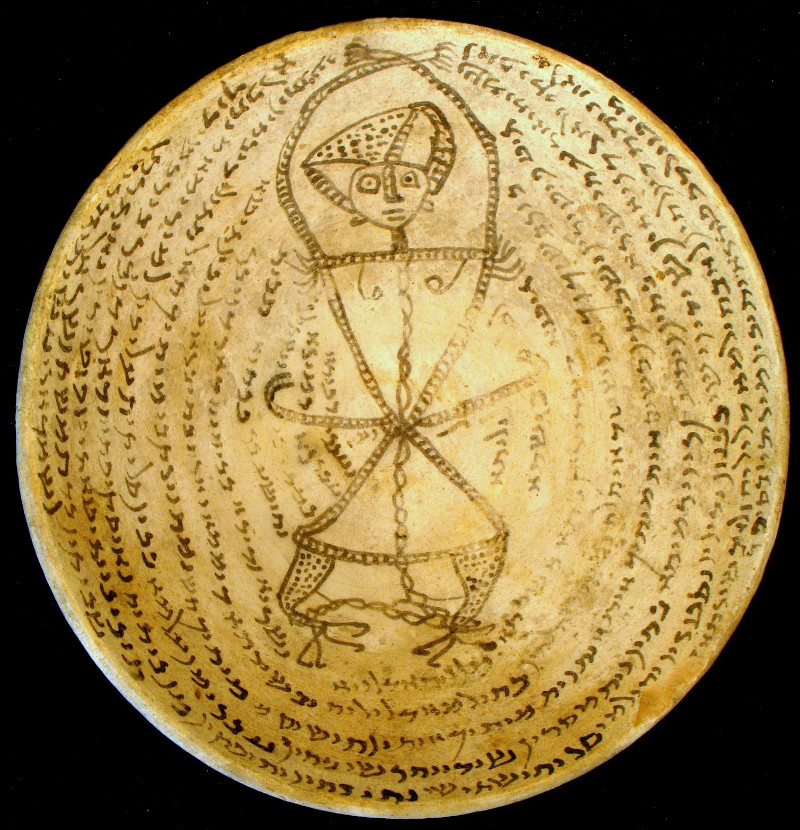
From Aristotle to John Adams, great minds of government have revered Carthaginian democracy as the purest expression of a people’s will. What impact did it have in the developmen

Sunlight and Shade in the First Cities – A Sensory Archaeology of Early Iraq
There are two periods of about five days each, in the Spring and in the Autumn, when the weather in southern Iraq is quite nice. Otherwise it’s cold, windy and rainy, or roasting
Silk Textiles in the Southern Levant
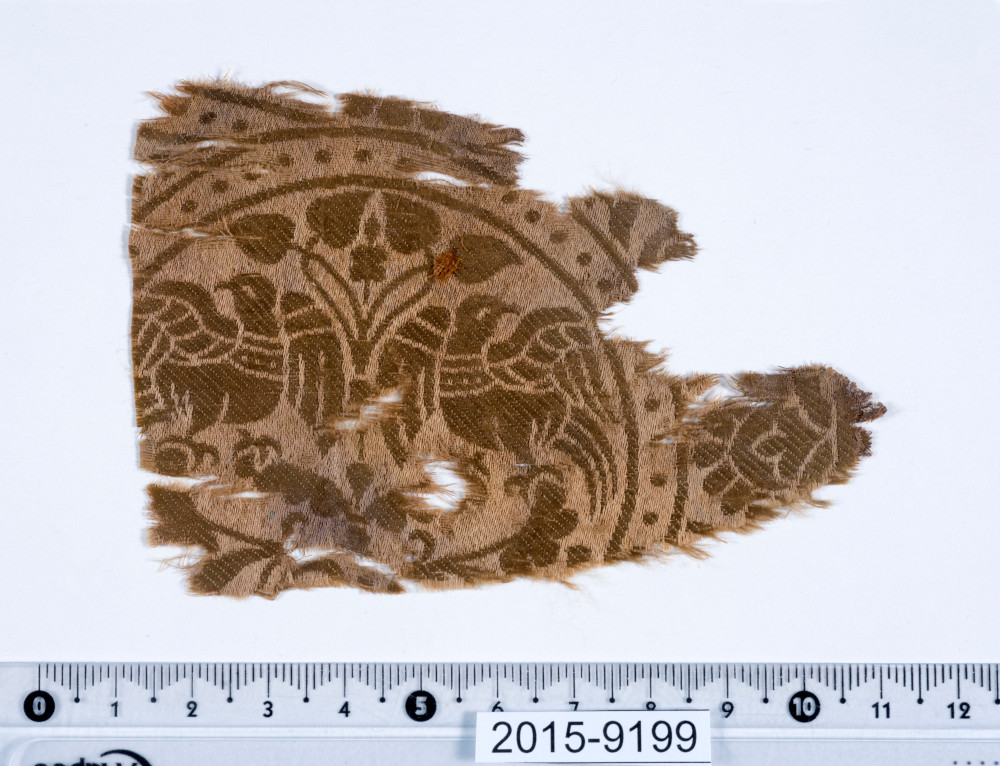
The Hebrew word for silk appears only twice in the Bible. But after 400 CE, as Christianity and pilgrimage expanded, silk from Egypt and Syria began to appear, and to be preserved

Hebrew as the Language behind the World’s First Alphabet?
Which Semitic language – and people – stands behind the enigmatic Proto-Sinaitic inscriptions? A controversial proposal brings us back to familiar, if equally controversial, gr
Multi-Dimensional Yahwism: The Case of the Persian Period Judaean Community in Elephantine
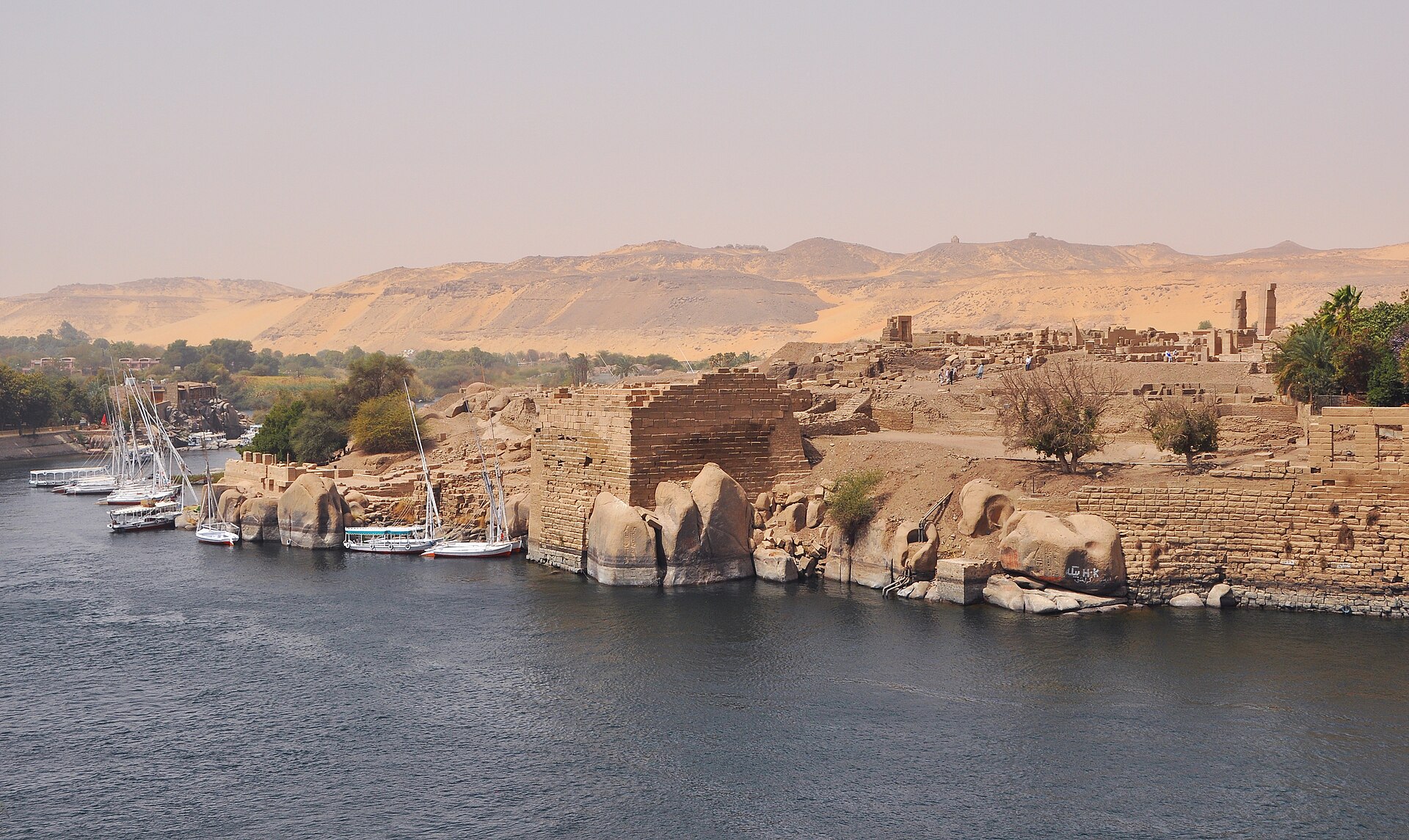
Post-exilic period theology centers on Nehemiah and the returnees to Jerusalem. But what about the Judean soldiers serving on the southern borders of Egypt and their religion?

Trash and Toilets in Mesopotamia: Sanitation and Early Urbanism
For much of the world sanitary disposal of human and other waste remains a critical issue. What do the first cities of ancient Mesopotamia have something to teach us about this ver
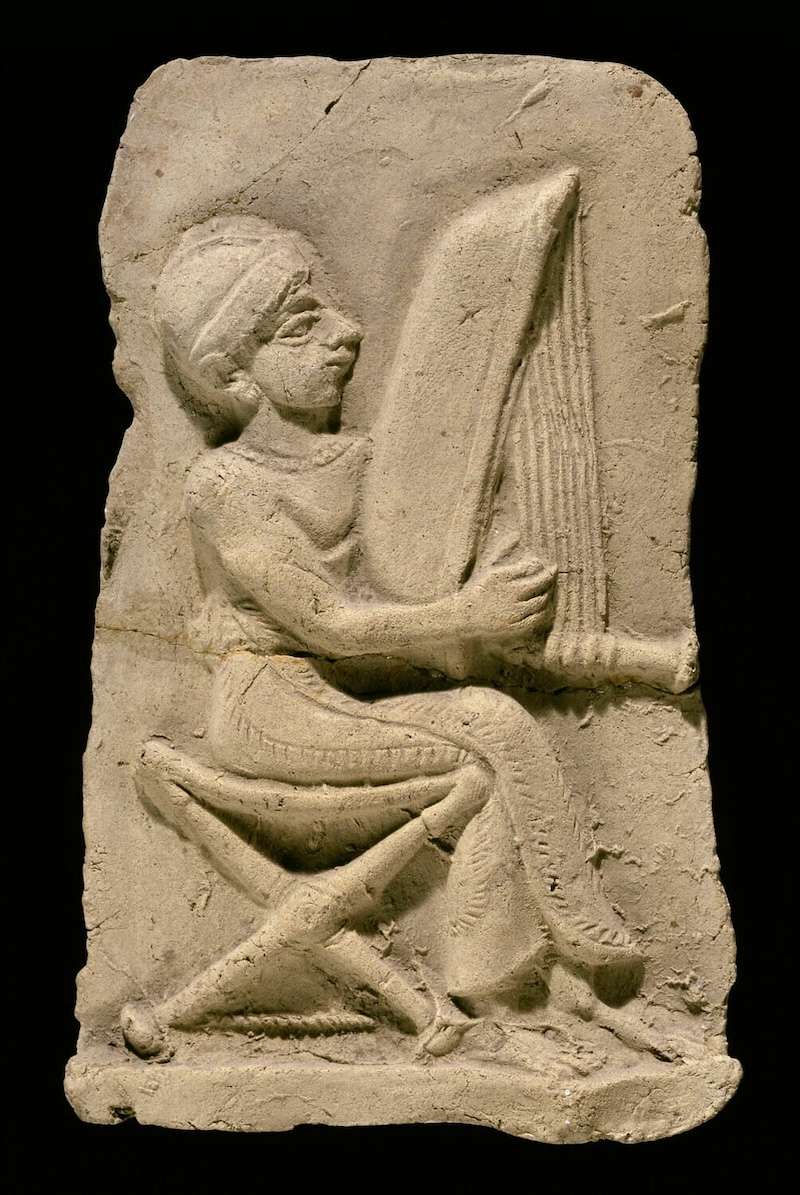
Music in Ancient Mesopotamia
Music is a universal language. In ancient Mesopotamia that language was spoken with familiar instruments like lyres, flutes and cymbals. But what did it really sound like?