
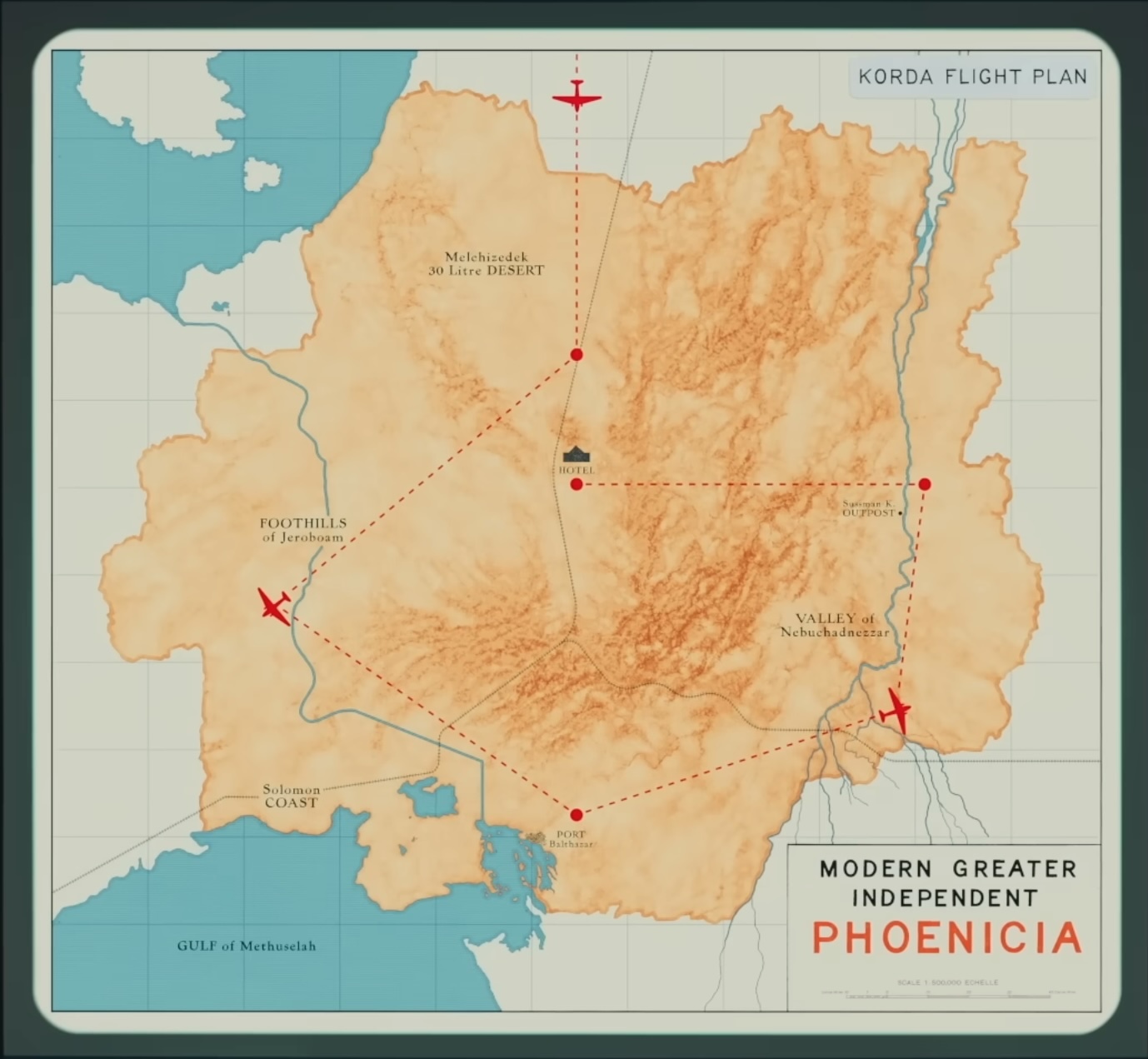
In Search of Wes Anderson’s “Phoenicia”
Wes Anderson’s The Phoenician Scheme invokes the ancient Mediterranean world without depicting it, raising an interesting question: what exactly does “Phoenicia” mean in the

Did the Phoenicians Bring Democracy to Greece?
From Aristotle to John Adams, great minds of government have revered Carthaginian democracy as the purest expression of a people’s will. What impact did it have in the developmen
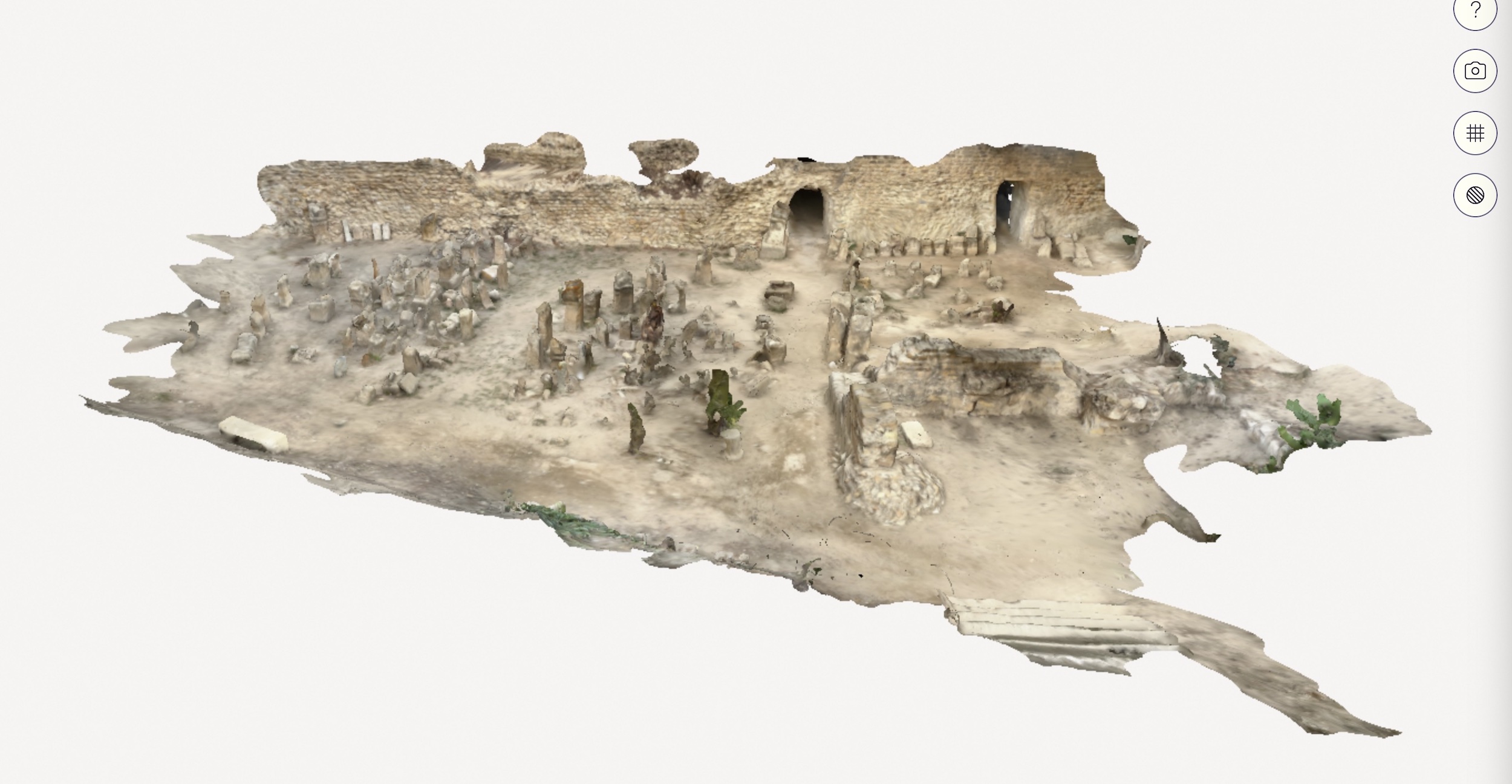
Putting Carthaginian Stelae Back Into Context: The ASOR Punic Project Digital Initiative
The investigation of Punic stelae from Carthage has a long and storied history. Through computer modelling and collation of legacy archival data, the ASOR Punic Project will provid
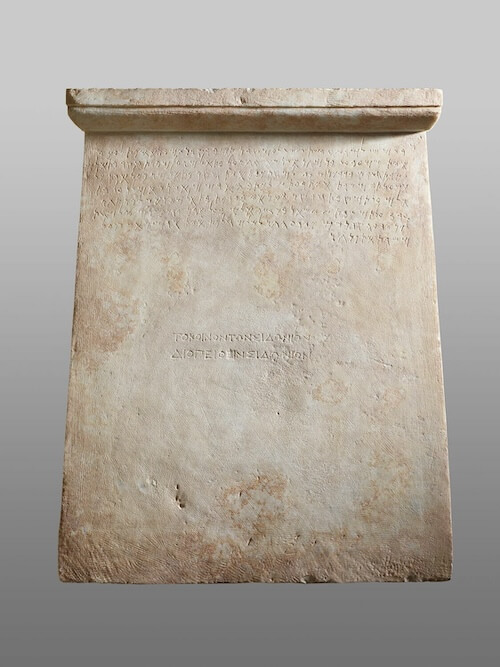
Phoenician Trade Associations in Ancient Greece
August 2024 | Vol. 12.8 By Denise Demetriou The Phoenicians — famed seafarers, traders, and master craftsmen of the ancient Mediterranean — crisscrossed the sea connecting a va

Maritime Viewscapes and the Material Religion of Levantine Seafarers
September 2023 | Vol. 11.9 By Aaron Brody For ancient peoples, travel was profoundly liminal. Voyaging at sea was doubly liminal, leaving the safety of land and existing in a state

The Shavei Zion Figurine Assemblage. A Cultic Site at Sea
An underwater discovery off the coast of Israel revealed terracotta figurines. But there was no shipwreck and the finds dated across hundreds of years of the Iron Age. Was this an

Making, Trading, and Consuming Phoenician Wine
Phoenicia was an ancient and acclaimed wine making region. New studies are showing how Phoenician wine was made at home and influenced viticulture around the Mediterranean.

Eggstraordinary Objects
February 2021 | Vol. 9.2 By Tamar Hodos In the interconnected world of the ancient Greeks, Phoenicians, Assyrians, and Egyptians, ostrich eggs were coveted by elites across the Med
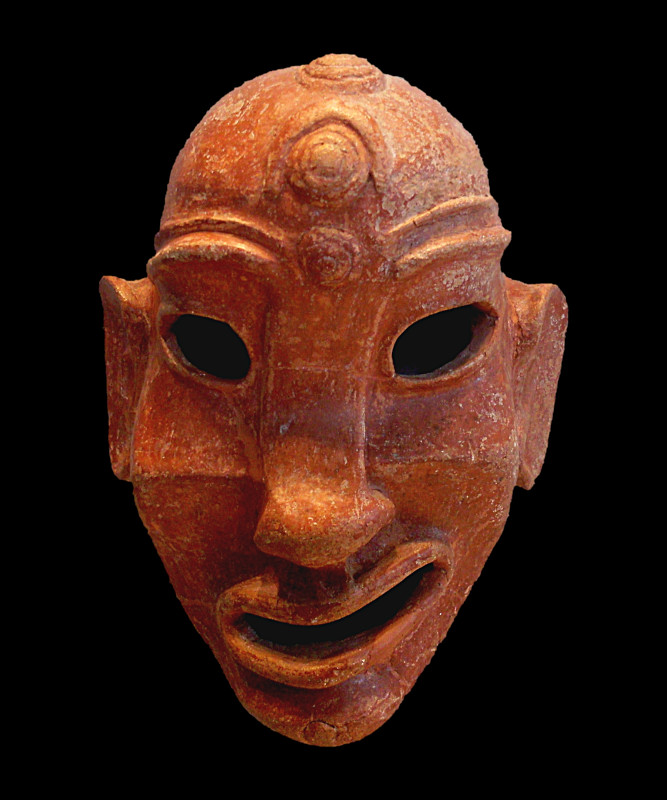
Phoenician and Punic Masks: What Are They and What Were They Good For?
Many human societies created masks, but they were especially common in the Eastern Mediterranean. Phoenician masks spread from east to west, but what were they for and why did the
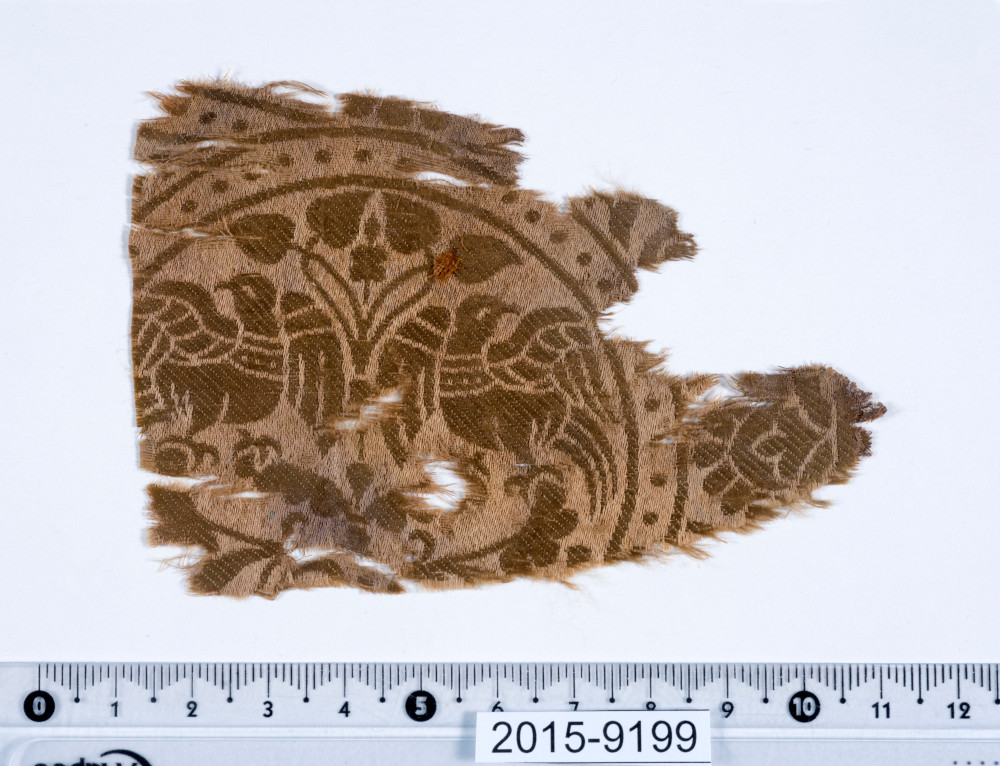
Silk Textiles in the Southern Levant
The Hebrew word for silk appears only twice in the Bible. But after 400 CE, as Christianity and pilgrimage expanded, silk from Egypt and Syria began to appear, and to be preserved