

The Book of Esther as a Source for Achaemenian History
June 2023 | Vol. 11.6 By Morteza Arabzadeh Sarbanani The Book of Esther (Fig. 1) is set in the Persian capital of Susa during the reign of Xerxes (Ahasuerus in Hebrew) and tells th

“Proto-Rams”: Piecing Together the Early History of Naval Ram Development
May 2023 | Vol. 11.5 By Stephen DeCasien The naval ram was the predominant weapon of navies throughout much of antiquity, playing a decisive role in many consequential confrontatio
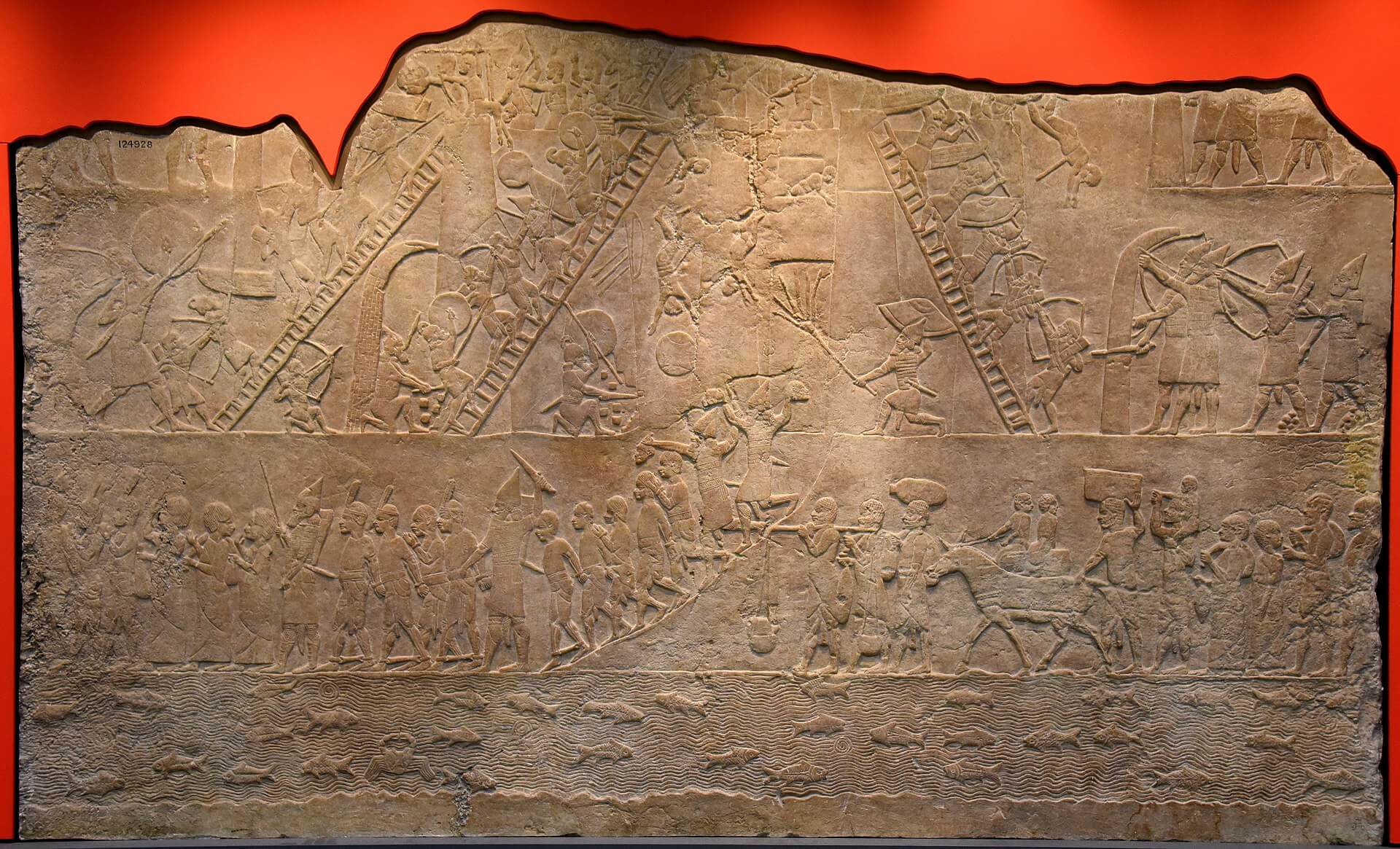
“The Egyptian,” King of Moab
March 2023 | Vol. 11.3 By Mattias Karlsson The royal inscriptions of the Neo-Assyrian kings Esarhaddon (680–669 BCE) and Ashurbanipal (668–631 BCE) mention a king of Moab named
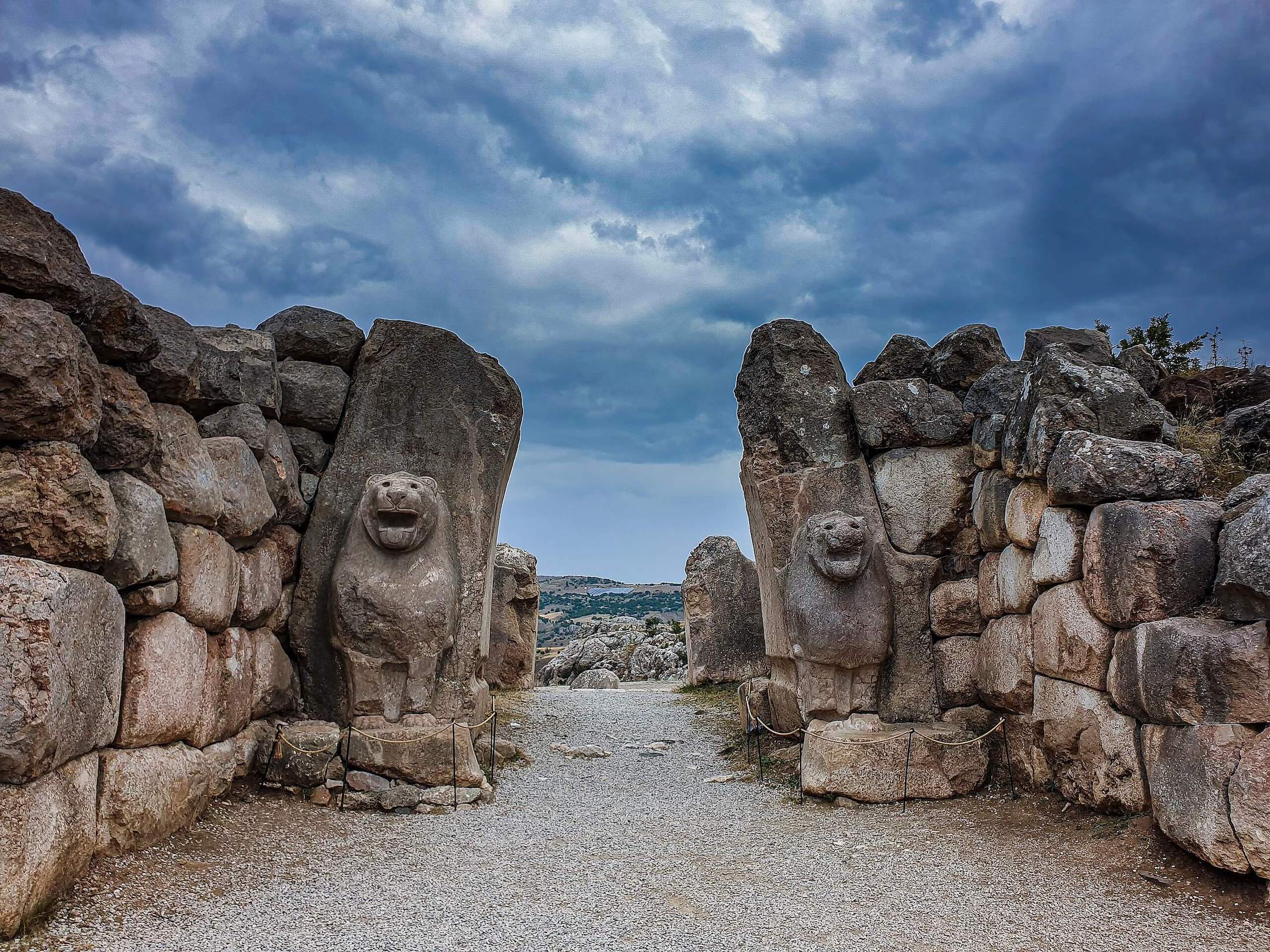
Tree Rings, Drought, and the Collapse of the Hittite Empire
February 2023 | Vol. 11.2 By Eric Cline The recent Nature study about drought and the fall of the Hittite Empire doesn’t just make for good headlines, it adds to our knowledge
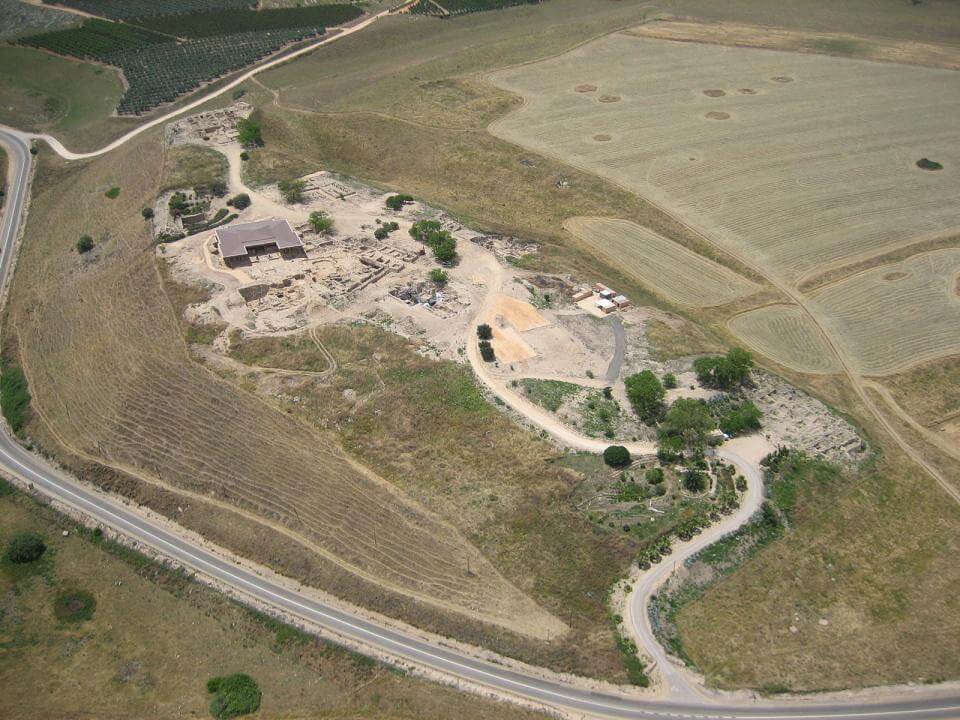
The Fall of the Bronze Age and the Destruction that Wasn’t
December 2022 | Vol. 10.12 By Jesse Millek In any telling of the end of the Late Bronze Age (LBA) in the Eastern Mediterranean, there is one key theme that emerges as an integral c

The History of Isaiah and the Age of Empires
October 2022 | Vol. 10.8 By Jacob Stromberg The prophet Isaiah stood at the beginning of an age of empires in the ancient Near East. In order, the age saw the rise of the neo-Assyr
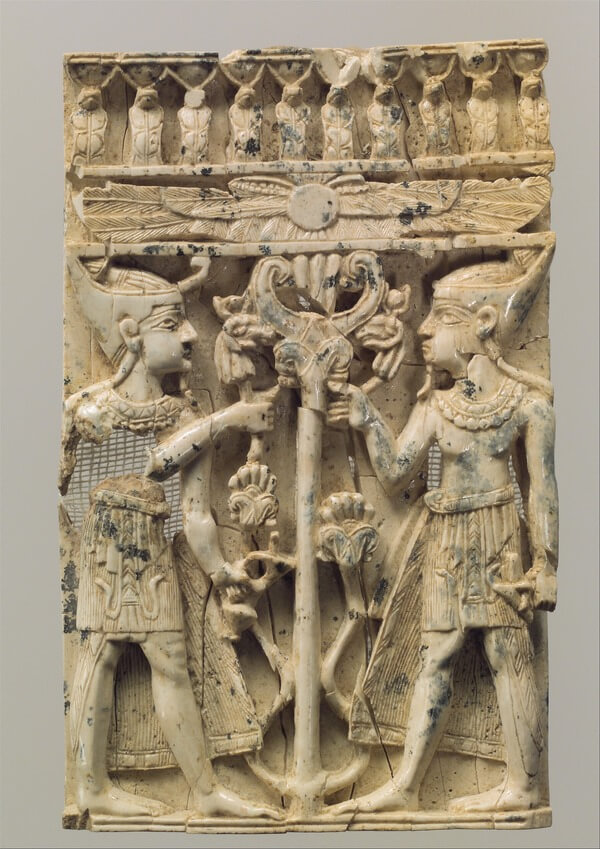
The Neo-Assyrian Empire and Egypt
August 2022 | Vol. 10.8 By Mattias Karlsson The Neo-Assyrian empire, with its center along the river Tigris in northern Mesopotamia, controlled large parts of the ancient Near East

Decision Making and Leadership in Egyptian Warfare
july 2022 | Vol. 10.7 By Anthony Spalinger Anyone studying foreign relations faces clear-cut obstacles, the sharpest being the antithesis between routine conduct and extraordinary

Rapid Change of Climate Did Not Cause the Fall of the Akkadian Empire
june 2022 | Vol. 10.6 By Arkadiusz Sołtysiak A recent issue of Antiquity published a paper presenting results of biochemical analyses of human bones from a few sites situated in

Everyday Life in Exile: Judean Deportees in Babylonian Texts
When King Nebuchadnezzar II of Babylon conquered the kingdom of Judah, part of Judean population was deported to Babylonia. The Hebrew Bible offers little information about exilic