
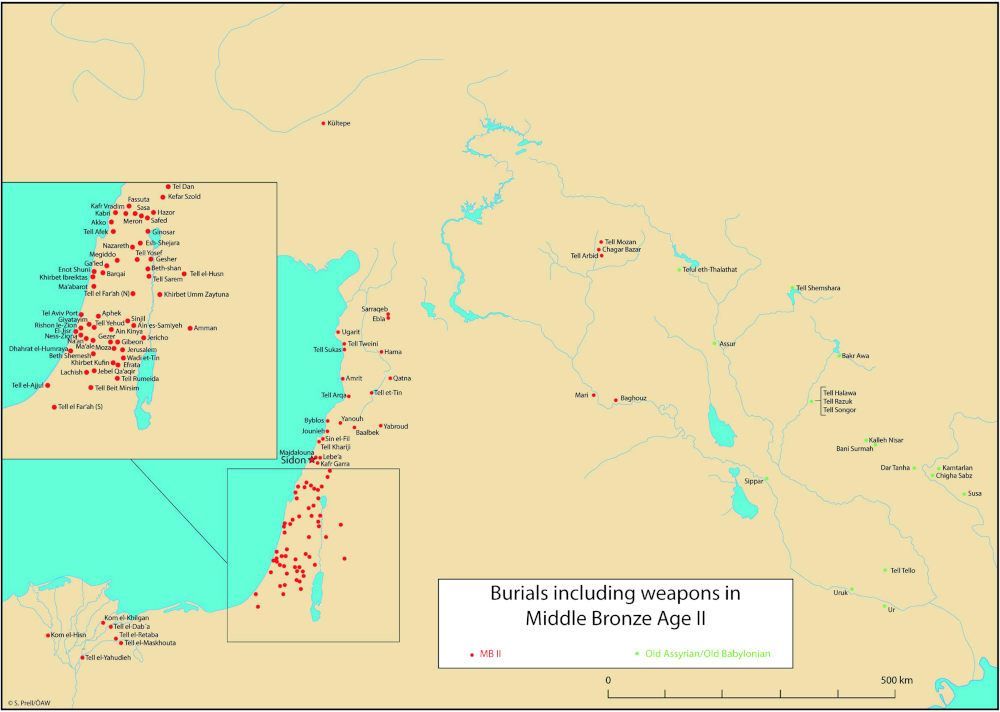
What’s in a Name? Warriors and Warrior Burials in the Near East
Middle Bronze Age “warrior burials” are found in many parts of the Near East and Egypt. But a new study at Sidon shows that no one buried with weapons was actually a “warrior

Cultural Heritage and Human Rights in Ukraine
The Russian war against Ukraine has been a human calamity. The losses are measured first in human lives but also in the destruction of Ukrainian cultural heritage.

Did Kings Meet Each Other Face-to-Face During the Late Bronze Age?
march 2022 | Vol. 10.3 By Mohy-Eldin E. Abo-Eleaz During the Late Bronze Age (ca. 1550–1200 BCE) five great powers – Egypt, Mitanni, Babylon, Ḫatti, and Assyria – arose and

Divine Channels: Rediscovering the Canal Networks of the Assyrian Empire
Today northern Iraq is a land of rolling plains and a few rivers. But Assyrian kings cut immense canals into the landscape for irrigation and transportation.

The Geography of the Neo-Assyrian Empire
may 2021 | Vol. 9.5 By Ariel M. Bagg The Neo-Assyrian Empire was constructed over a period of about 300 years from the late 10th to the late 7th centuries BCE by powerful kings. It

Sheshonq (Shishak) in Palestine: Old Paradigms and New Vistas
April 2021 | Vol. 9.4 By Felix Höflmayer and Roman Gundacker Pharaoh Sheshonq I (c. 943-923 BCE) is traditionally viewed as the founder of the 22nd Dynasty, which, due to the king

Genderbending Performances in Wartime: From Judges to Judith
February 2021 | Vol. 9.2 By Jacob Wright At the ancient biblical site of Achziv, 15 km north of Acco, archaeologists discovered what became known as the Tomb of the Horsemen. Depo

Neo-Assyrian Deportation and the Levant
February 2021 | Vol. 9.2 By Jonathan Valk At the height of its power in the 8th and 7th centuries BCE, the Neo-Assyrian state could truly call itself a universal empire. It exercis
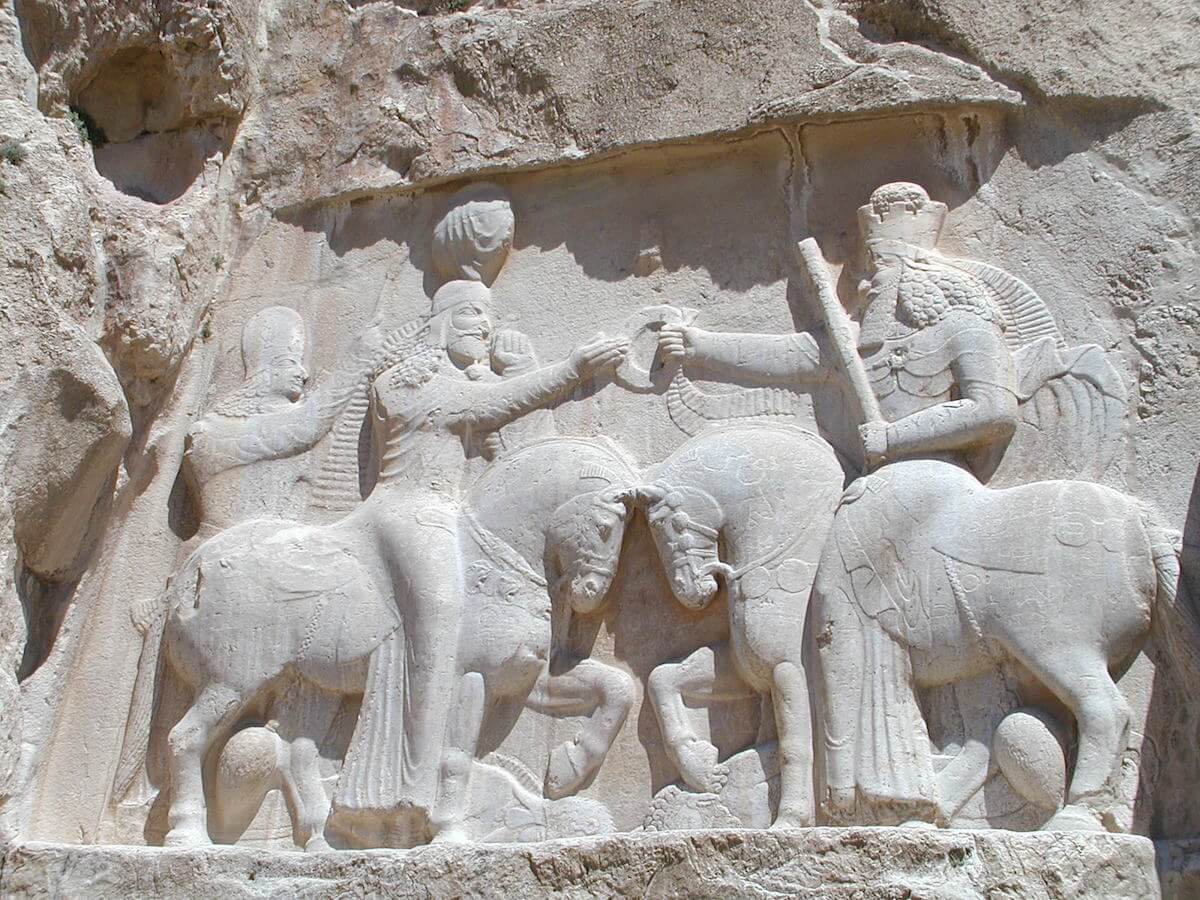
The Last Empire of Iran
February 2021 | Vol. 9.2 By Michael R.J. Bonner In 330 BCE, Alexander the Great destroyed the Persian imperial capital at Persepolis. This was the end of the world’s first great
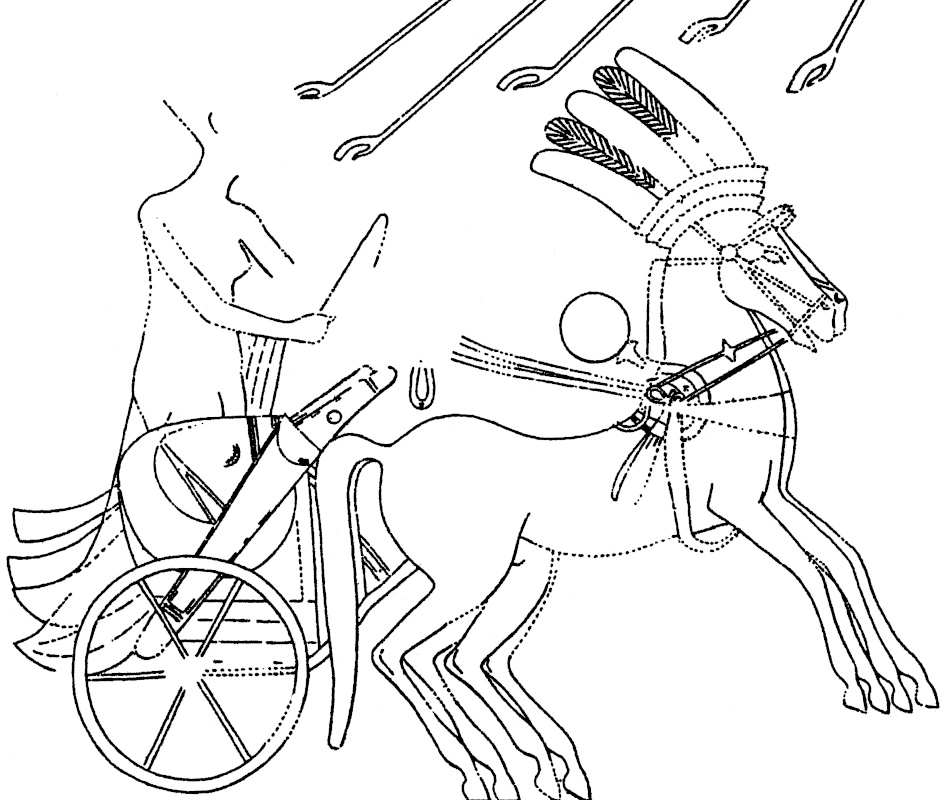
Nefertiti on Her Chariot – The Use of Chariots in Ancient Egypt
Chariots appear in Egypt in the early second millennium as modes of transportation and weapons of war. For a brief time, women were also drivers.