
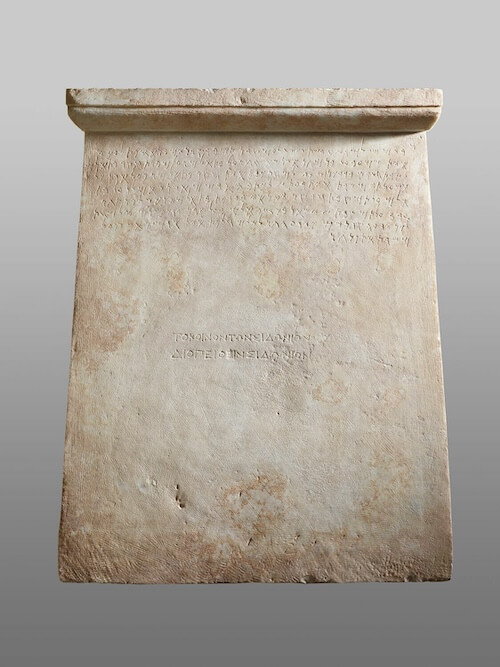
Phoenician Trade Associations in Ancient Greece
August 2024 | Vol. 12.8 By Denise Demetriou The Phoenicians — famed seafarers, traders, and master craftsmen of the ancient Mediterranean — crisscrossed the sea connecting a va
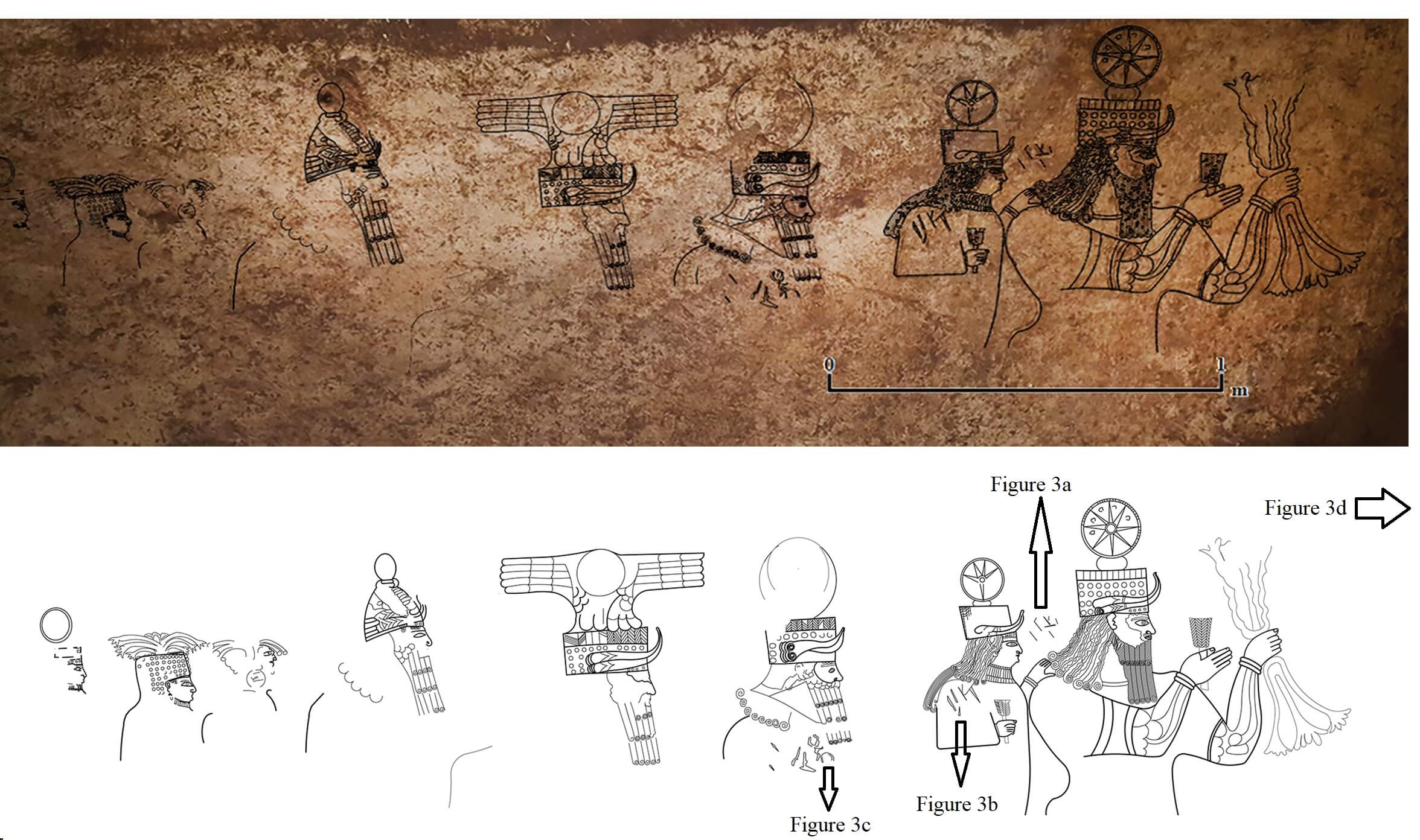
The Başbük Rock Wall Panel: Serving Empire, Honoring Syro-Anatolian Gods
april 2023 | Vol. 11.4 By Mehmet Önal , Celal Uludağ, Yusuf Koyuncu and Selim Ferruh Adalı Authors’ note: A catastrophic earthquake, the epicentre of which was Türkiye’s so
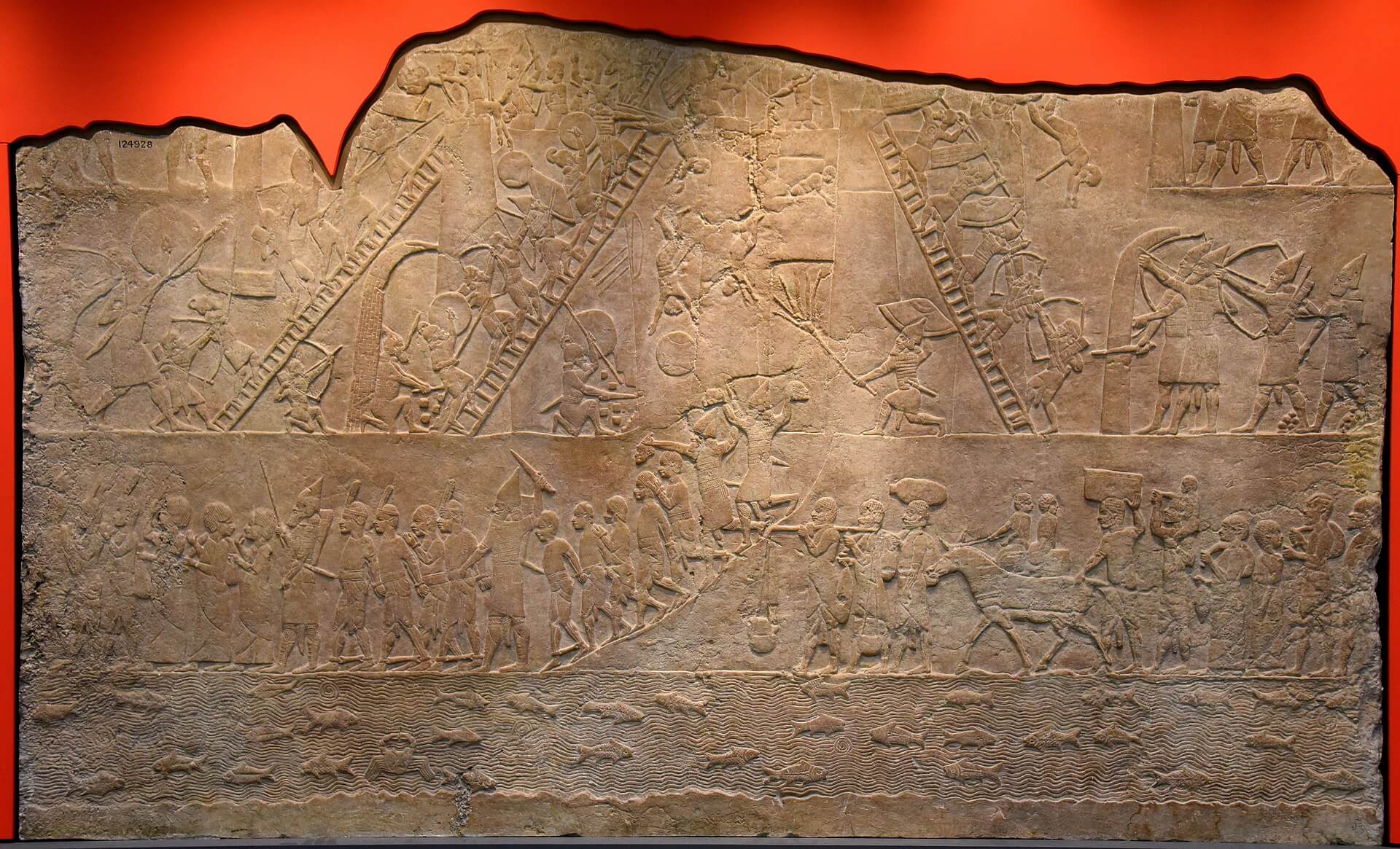
“The Egyptian,” King of Moab
March 2023 | Vol. 11.3 By Mattias Karlsson The royal inscriptions of the Neo-Assyrian kings Esarhaddon (680–669 BCE) and Ashurbanipal (668–631 BCE) mention a king of Moab named
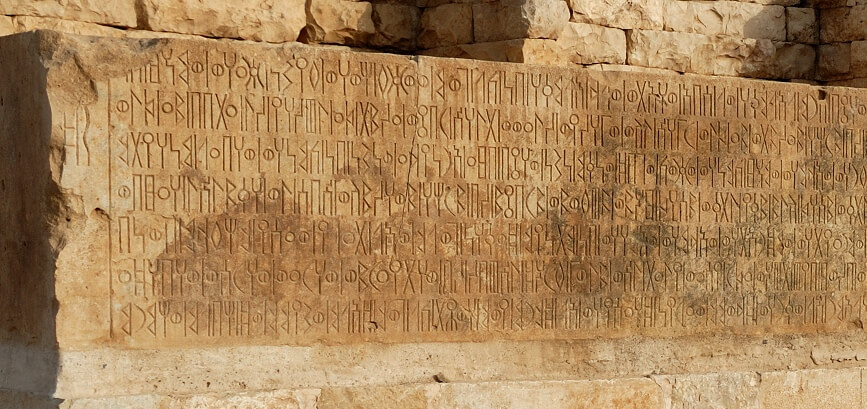
Carved, Signed, Crossed Out – Documents on Wooden Sticks from Ancient South Arabia
October 2022 | Vol. 10.10 By Peter Stein Legal contracts carved on palm-leaf stalks, correspondence laid down on cigar-shaped sticks? The mode of writing used in Ancient South Arab

Camels in the Biblical World of the Ancient Near East
One hump or two, the camel was known in Mesopotamia from the third millennium BCE onward as the “elephant of the caravan” or “elephant of the mountain.” “Camel” came la
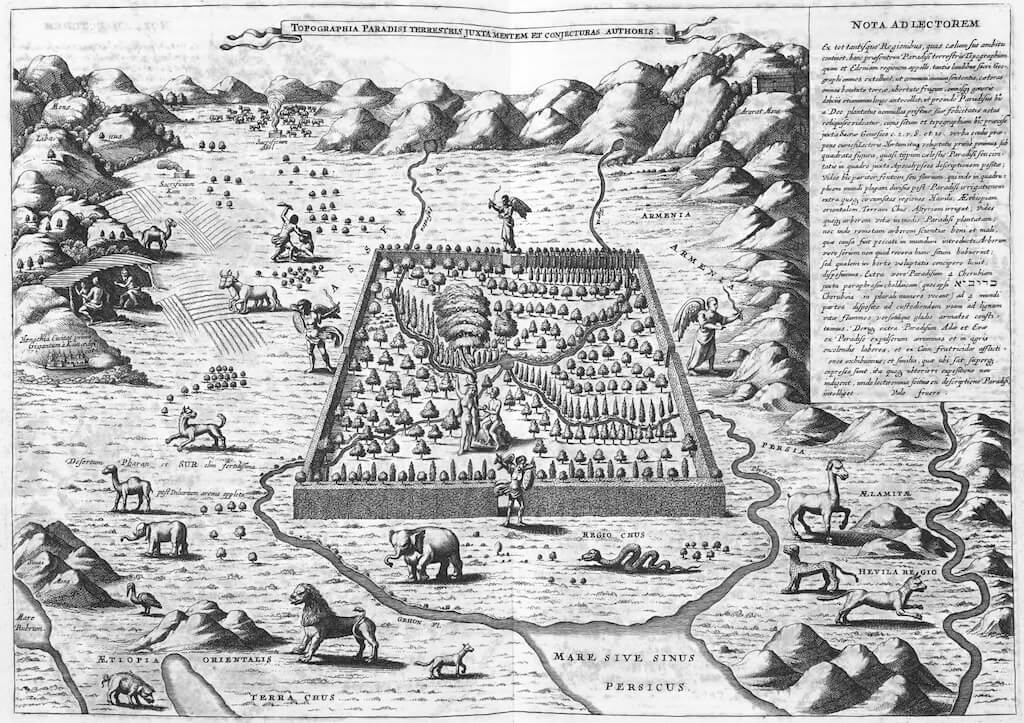
Visions from the Middle Territory: The Books of Haggai and Zechariah in their Persian Context
January 2022 | Vol. 10.1 By Robert L. Foster When we think of prophets and empires in the Hebrew Bible, we likely think of First Isaiah’s message in the light of the Assyrian Emp
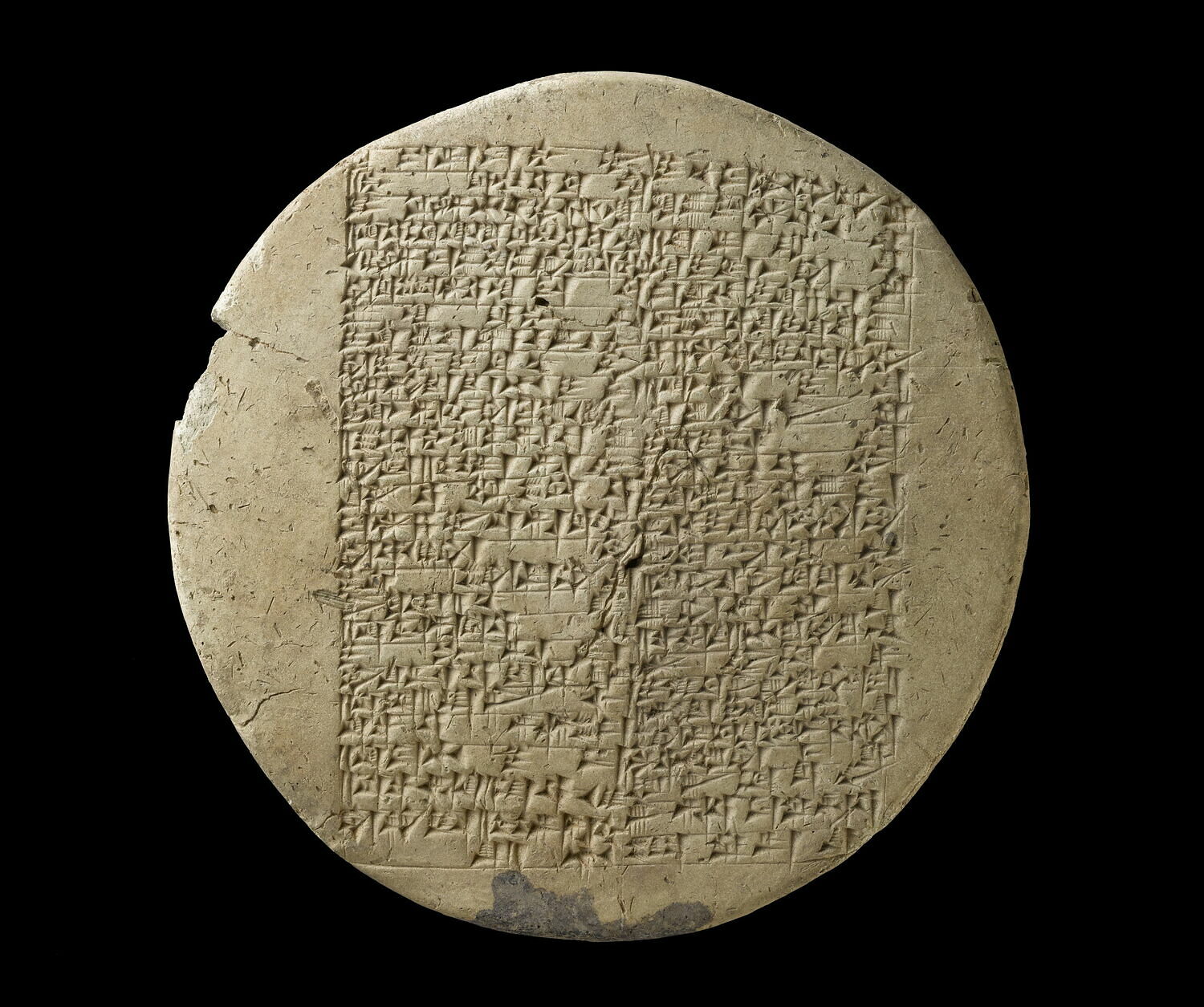
The Exceptional Career of a Mesopotamian Ruler without a Crown: Kudur-Mabuk and the Kingship of Larsa
January 2022 | Vol. 10.1 By Baptiste Fiette Where did Mesopotamian kings come from? In the second third of the 19th century BCE, the kingdom of Larsa in southern Mesopotamia went t
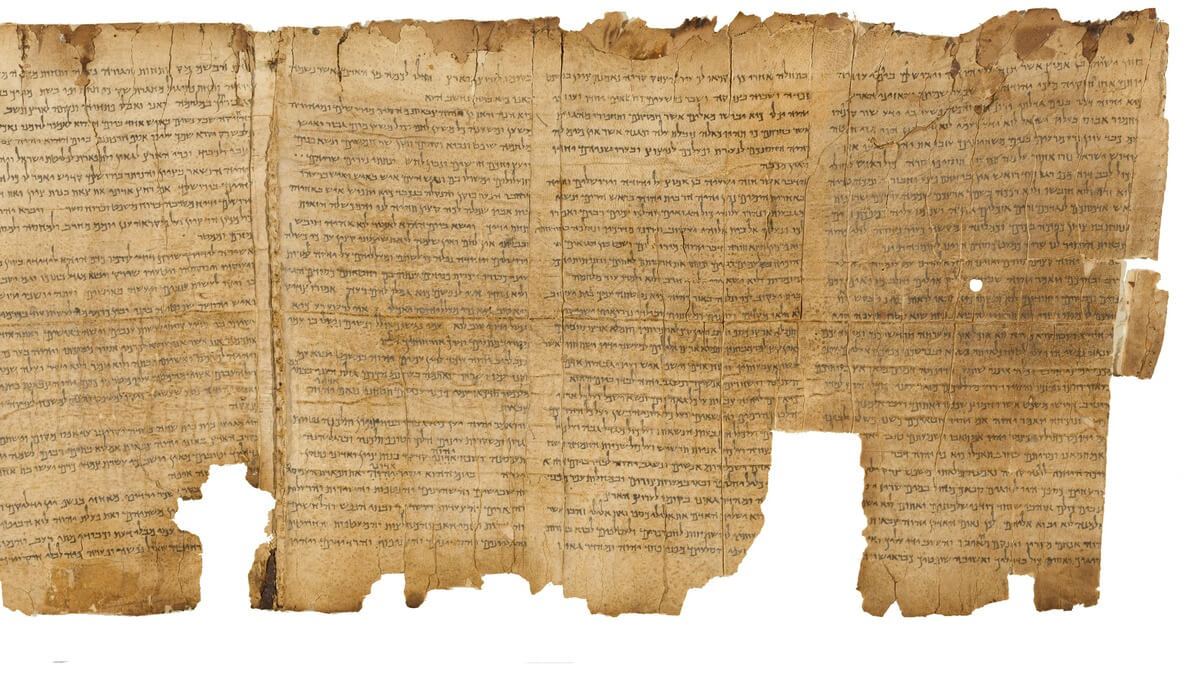
From Texts to Scribes: Evidence for Writing in Ancient Israel
What do we know about ancient Israel’s scribal culture? Can two words in the biblical text, the verb ‘write’ (katav) and the noun ‘scribe’ (sofer) help us understand the
![Picture of the Theodotus Inscription from the Israel Museum, Jerusalem, Israel: “Theodotus—son of Vettenus, priest and the ruler of the synagogue, son of the ruler of the synagogue, and grandson of the ruler of the synagogue—built this synagogue, which his ancestors, the elders, and Simonides laid the foundation of, for the reading of the Law and the teaching of its commands. [He built] the guest-chamber, the rooms, and the plumbing for the lodging of those who are in need from a foreign country” (Hannah M. Cotton et al., Corpus Inscriptionum Iudaeae/Palaestinae: A Multilingual Corpus of Inscriptions from Alexander to Muhammad [Berlin: de Gruyter, 2008], I.1.9; © and translation by D. Clint Burnett).](https://anetoday.org/wp-content/uploads/2024/09/Image-6.jpg)
Reading Inscriptions Alongside the New Testament
April 2021 | Vol. 9.4 By D. Clint Burnett Inscriptions, messages engraved on durable materials, play an important but underappreciated role in our earliest Christian documents, inc
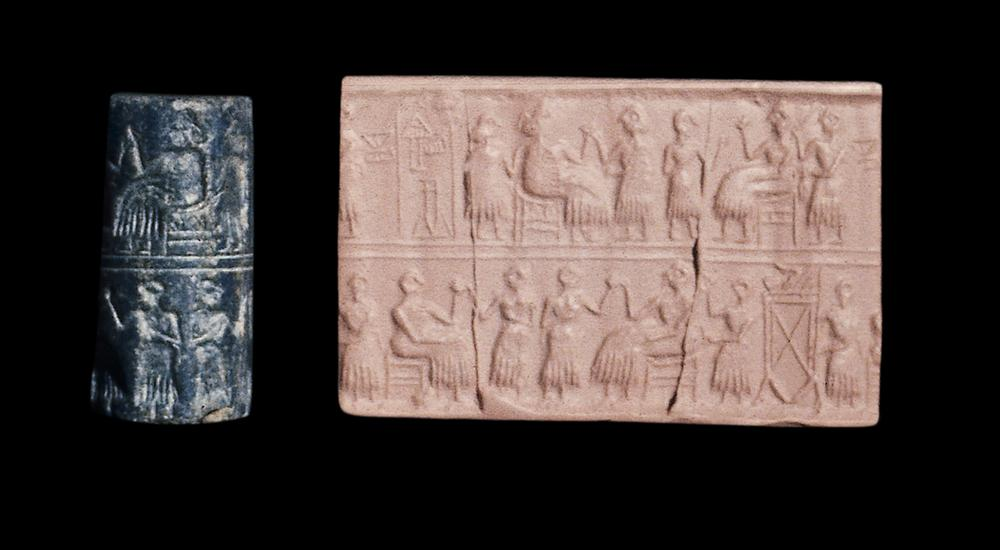
Women in Early Mesopotamian Royal Inscriptions
There are few references to women in early Mesopotamian inscriptions. But those that are preserved show that women – especially high status ones – had important social roles.