
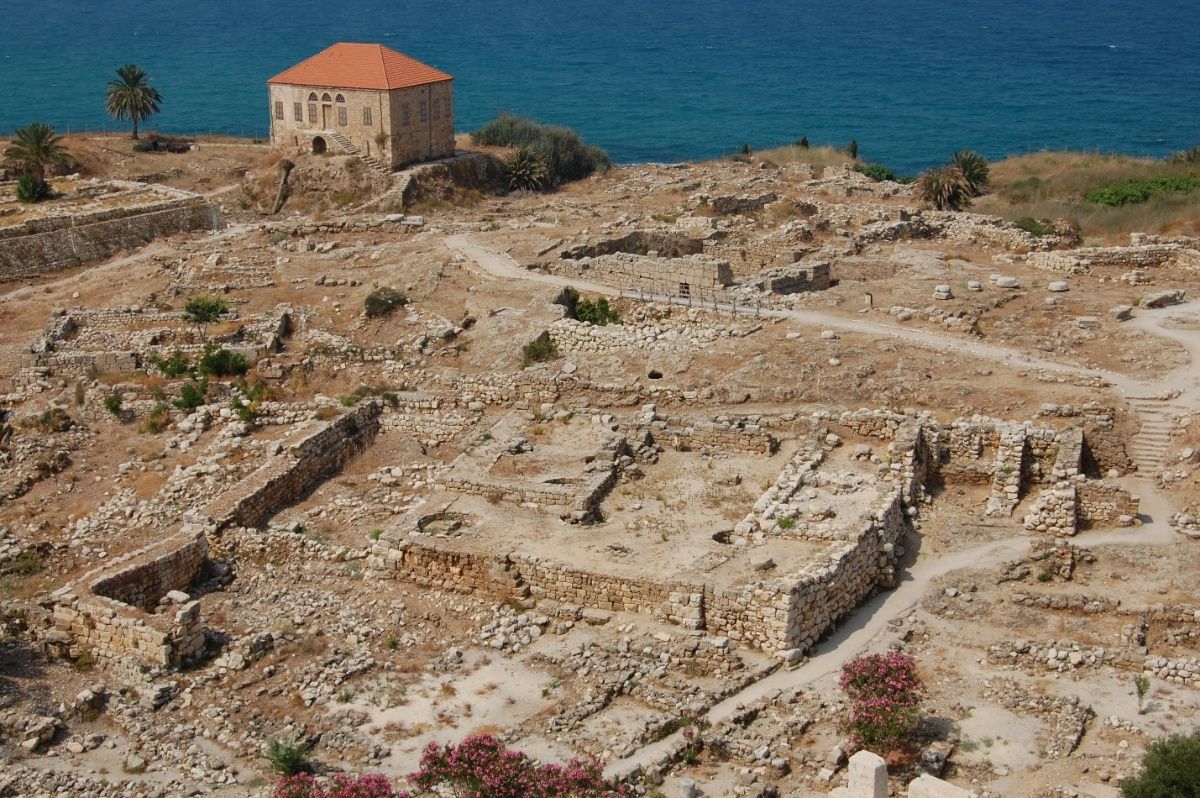
Byblos and the Making of an Ancient Maritime Hub
Unlike the great territorial states of the Bronze Age, Byblos did not build an empire. Its influence rested on something less visible but equally effective: its position within net

Did the Phoenicians Bring Democracy to Greece?
From Aristotle to John Adams, great minds of government have revered Carthaginian democracy as the purest expression of a people’s will. What impact did it have in the developmen
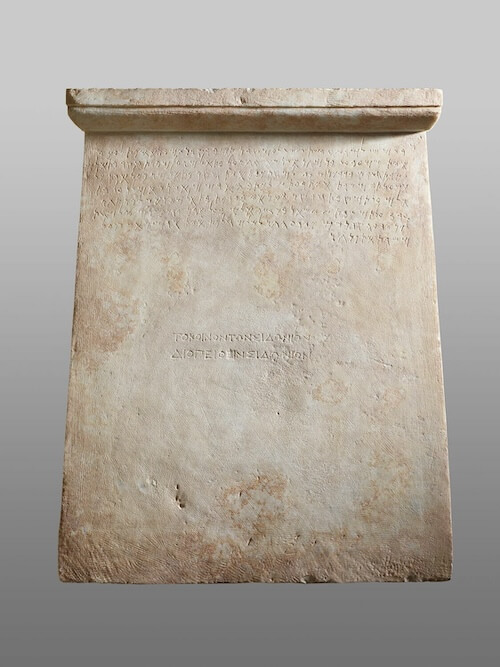
Phoenician Trade Associations in Ancient Greece
August 2024 | Vol. 12.8 By Denise Demetriou The Phoenicians — famed seafarers, traders, and master craftsmen of the ancient Mediterranean — crisscrossed the sea connecting a va

Maritime Viewscapes and the Material Religion of Levantine Seafarers
September 2023 | Vol. 11.9 By Aaron Brody For ancient peoples, travel was profoundly liminal. Voyaging at sea was doubly liminal, leaving the safety of land and existing in a state

On the Potential of Deep-Submergence Archaeology
January 2022 | Vol. 10.1 By Shelley Wachsmann You are broken by the seas in the depths of the waters. Ezekial 27:34 Ezekiel had it right. Ships do sink in deep water. Common wisdom
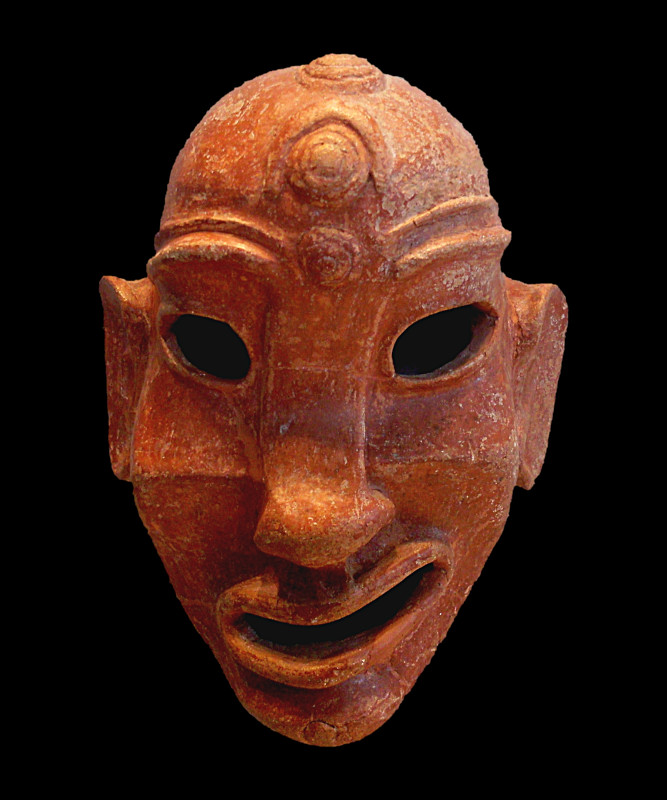
Phoenician and Punic Masks: What Are They and What Were They Good For?
Many human societies created masks, but they were especially common in the Eastern Mediterranean. Phoenician masks spread from east to west, but what were they for and why did the

The Greek Alphabet: Older Than You May Think?
March 2019 | Vol. 7.3 By Willemijn Waal The Greek alphabet is often considered to be the first ‘true’ alphabet, from which all modern alphabets are derived. So why does it look