
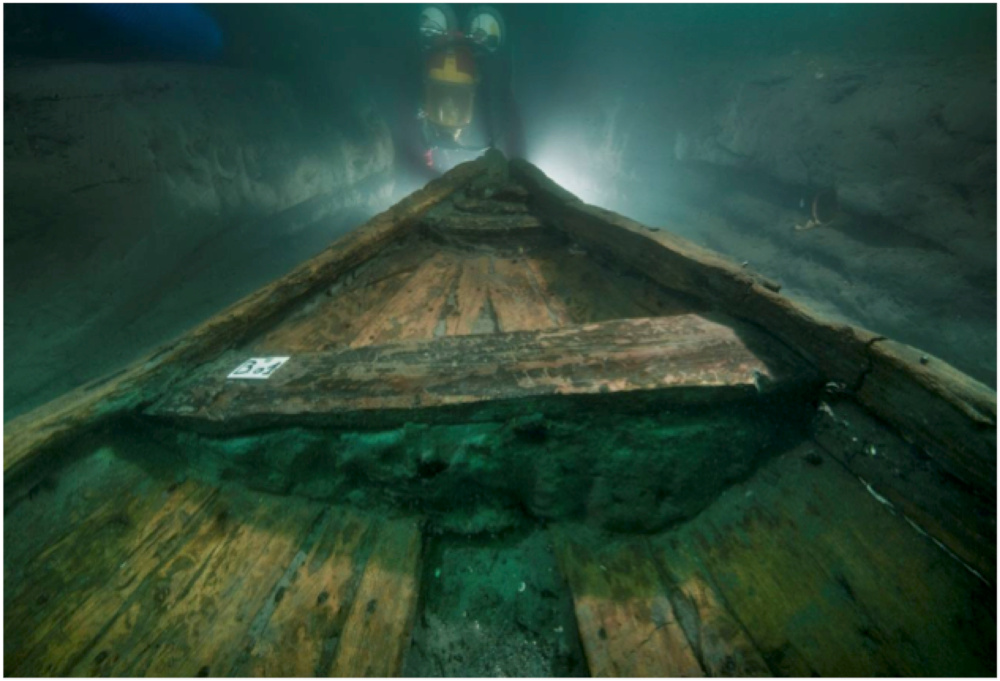
The Afterlife of Ships in Thonis-Heracleion: Recycling, Abandonment, and Ritual Sacrifice at an Egyptian Port
What happens to a ship at the end of its life? Underwater archaeology at an Egyptian port near Alexandria provides a vivid picture of very different fates.

Coping with Ethnicity in Pharaonic Egypt
Ancient Egyptians had ambivalent attitudes towards foreigners. Most royal propaganda was negative, but the reality was quite different.
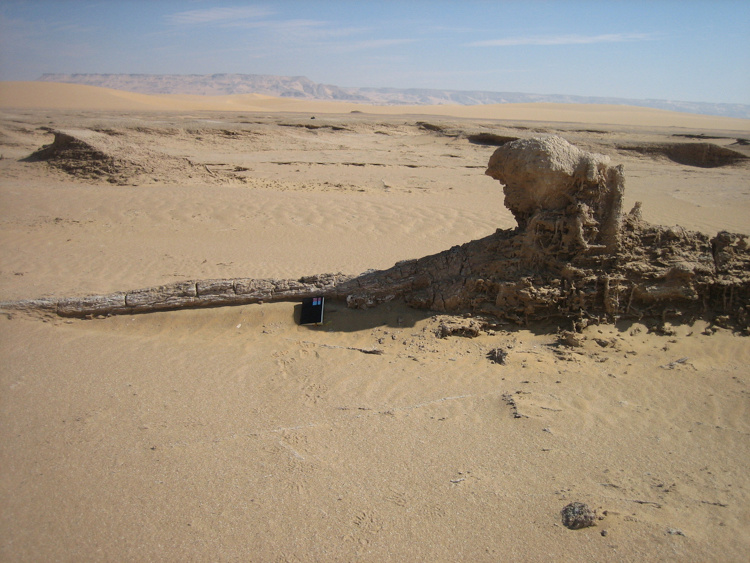
How Ancient Egypt Shows that Climate Change is Always with Us
Climate change is a constant. But for ancient Egypt, climate processes of heating and cooling were challenges and opportunities that helped bring about a great civilization. They a

Servant Figurines from Egyptian Tombs: Whom Did They Depict, and How Did They Work?
Scholars have interpreted servant figurines in Egyptian tombs as anonymous toys designed to come to life. But a closer look suggests they may have represented a deeper relationship

Human Sacrifice in the Ancient Near East and Egypt
Human sacrifice was never very common, but it occurred around the world. And as with many things, what mattered what who was doing the sacrificing.
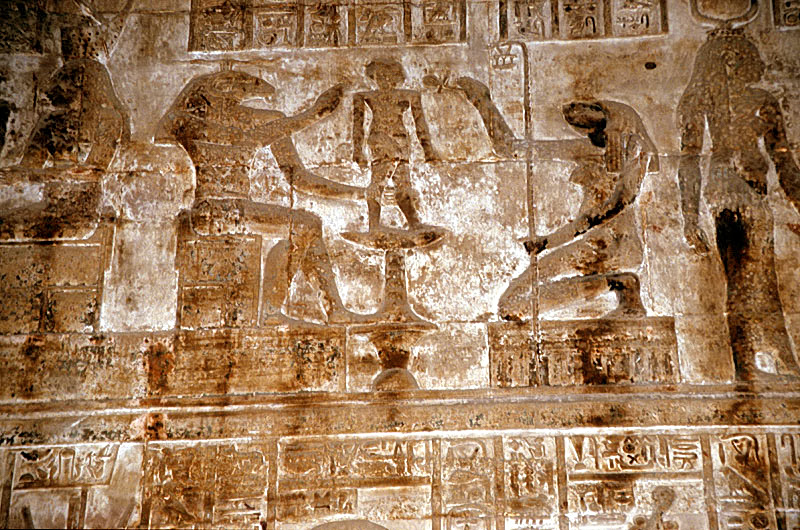
Birth and Rebirth in Ancient Egypt
Birth is one of the most dangerous parts of life. But for ancient Egyptians the birth of a child had a counterpart: the rebirth after death. Both of these were necessary to maintai
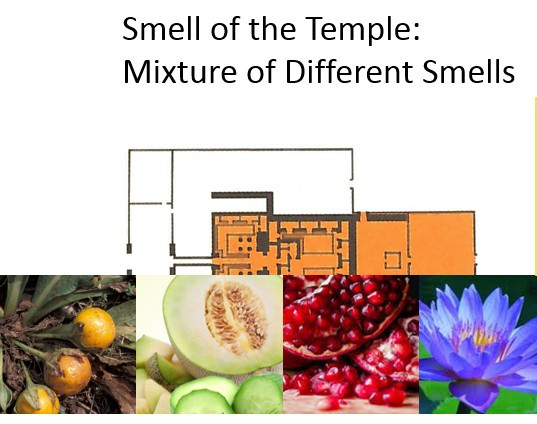
Smellscapes in Ancient Egypt
From Aristotle to John Adams, great minds of government have revered Carthaginian democracy as the purest expression of a people’s will. What impact did it have in the developmen
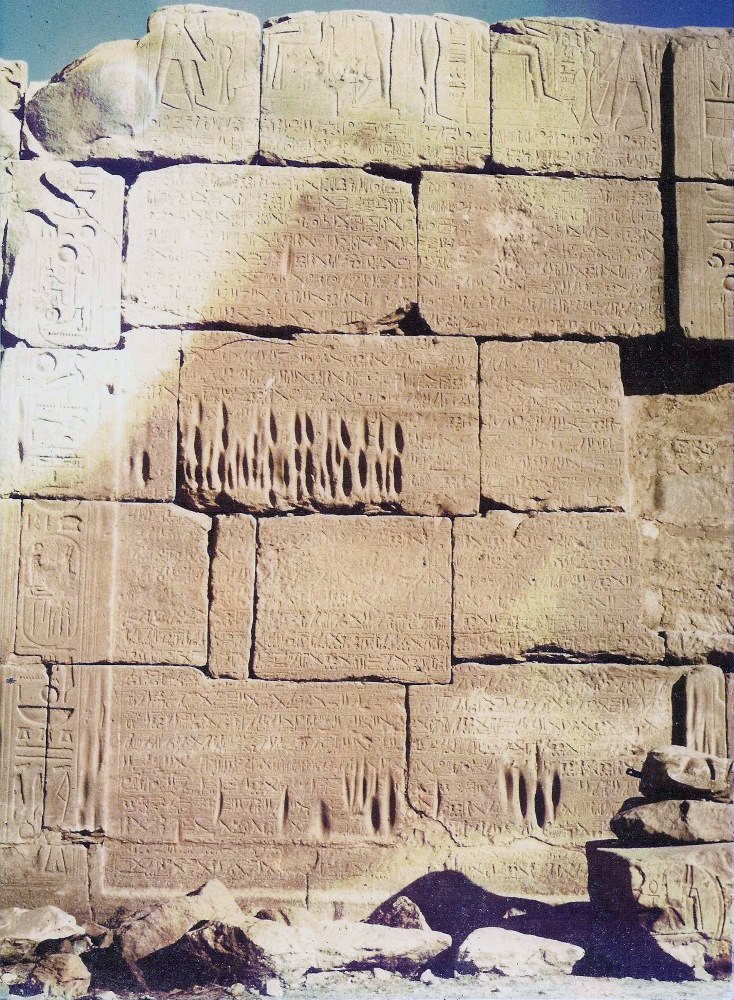
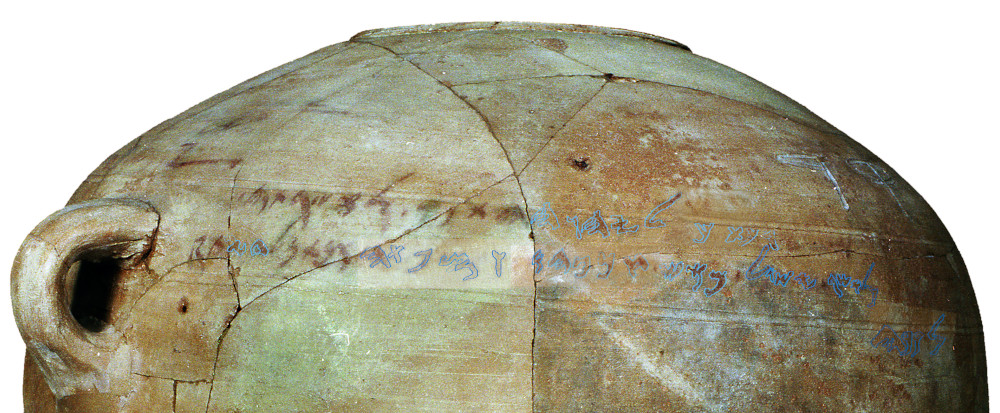
Where Does Yhwh Come From?
The God of the Hebrew Bible is universal, but everyone – and every idea - comes from someone. What does a close reading of sources both within and outside of the Bible suggest ab
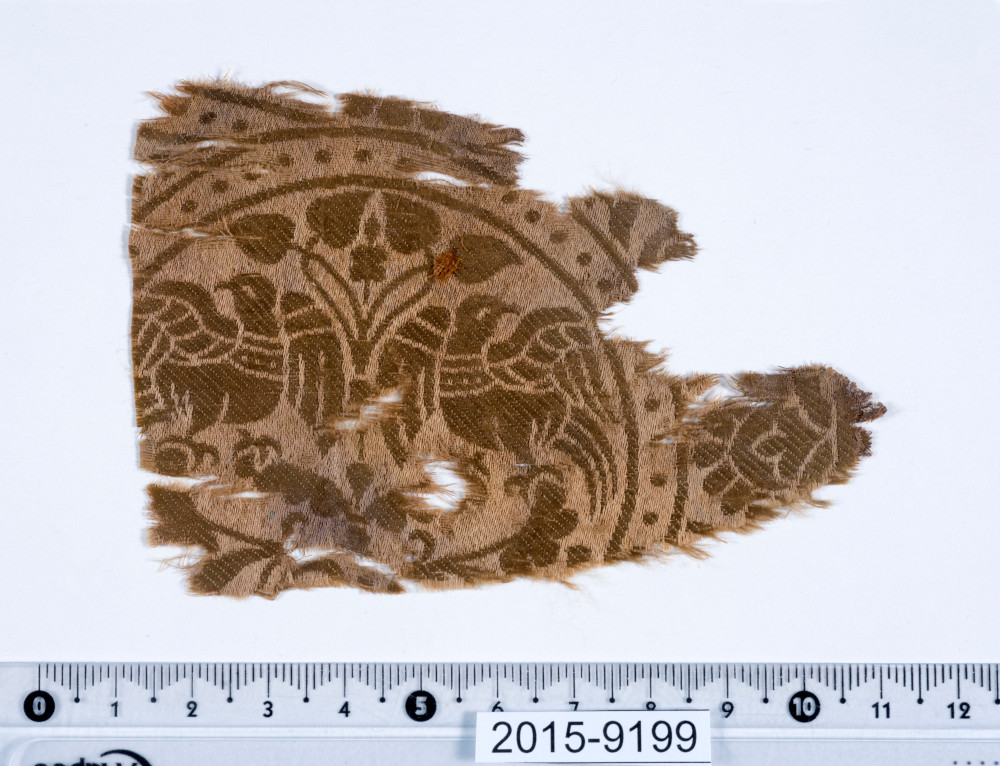
Silk Textiles in the Southern Levant
The Hebrew word for silk appears only twice in the Bible. But after 400 CE, as Christianity and pilgrimage expanded, silk from Egypt and Syria began to appear, and to be preserved